Kategorie: Ausstellungen

  • Home, sweet home … oder unterdrückte, wertkonservative Sehnsucht

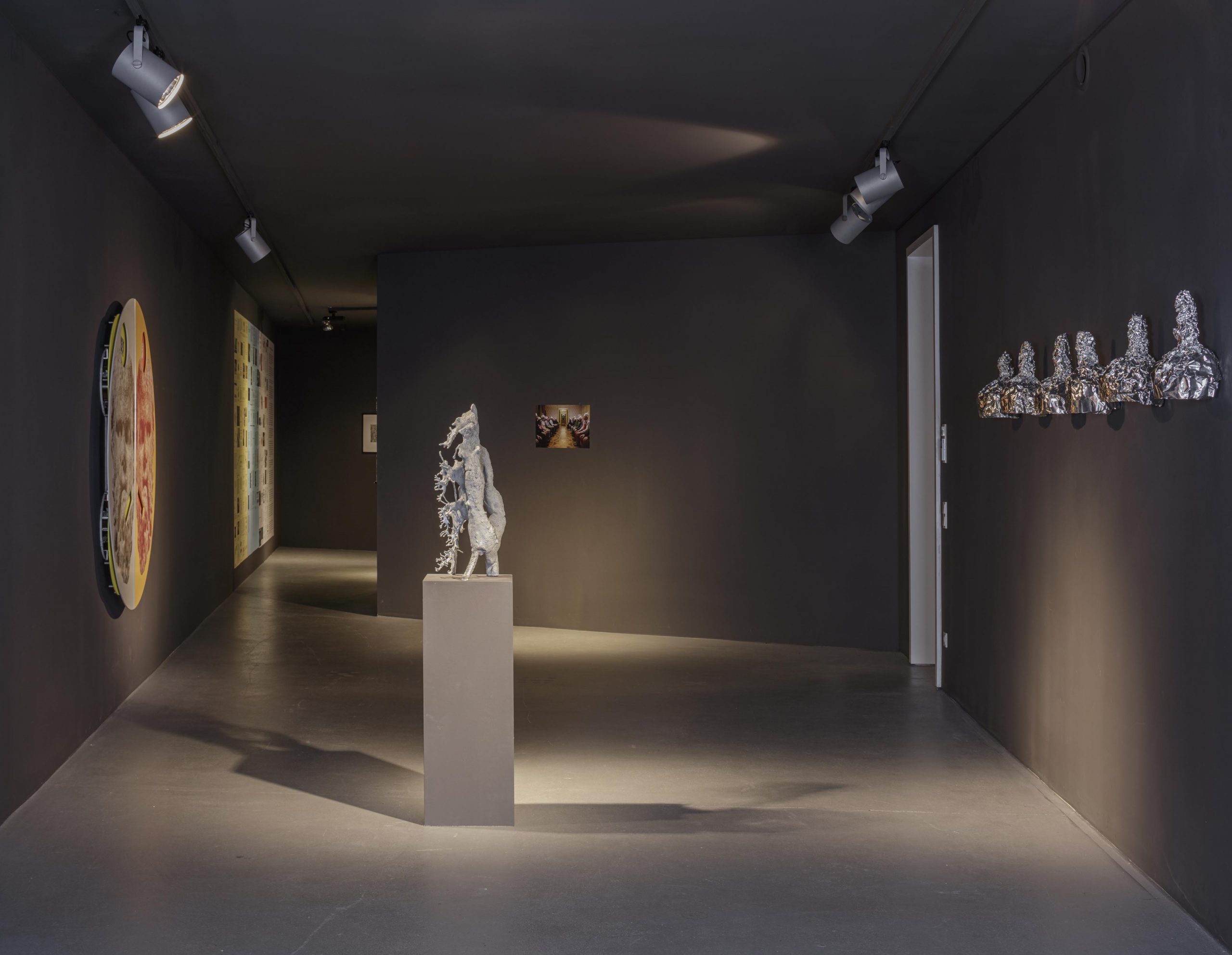
     16.9.- 2.10.2021  |  Mi-Fr / Wed-Fri 14-19 h + nach Vereinbarung / upon appointment | Aufgrund einer privaten Veranstaltung  ist am 24.9.21 nur bis 17 h geöffnet

    mit Arbeiten von /with works by Kathryn Andrews, Fehmi Baumbach, Thomas Baldischwyler, Dirk Bell, Michael Beutler, Thomas Demand, Anna Fasshauer, Philipp Fürhofer, Martin Kippenberger, Elke Krystufek, Dominik Steiner, Jan Timme, Michaela Eichwald, Michael Krebber, Michaela Meise, Henning Bohl, Giorgia Gardner Gray, Michael Sailstorfer, Alex Müller, Jana Müller, Christian Philipp Müller, Julian Turner, Mirjam Thomann, Geerten Verhuis, Iskender Yediler, Heimo Zobernig aus der Sammlung SteDi / from the SteDi Collection

    ausgesucht von / selected by Frank Hauschildt und Susanne Prinz

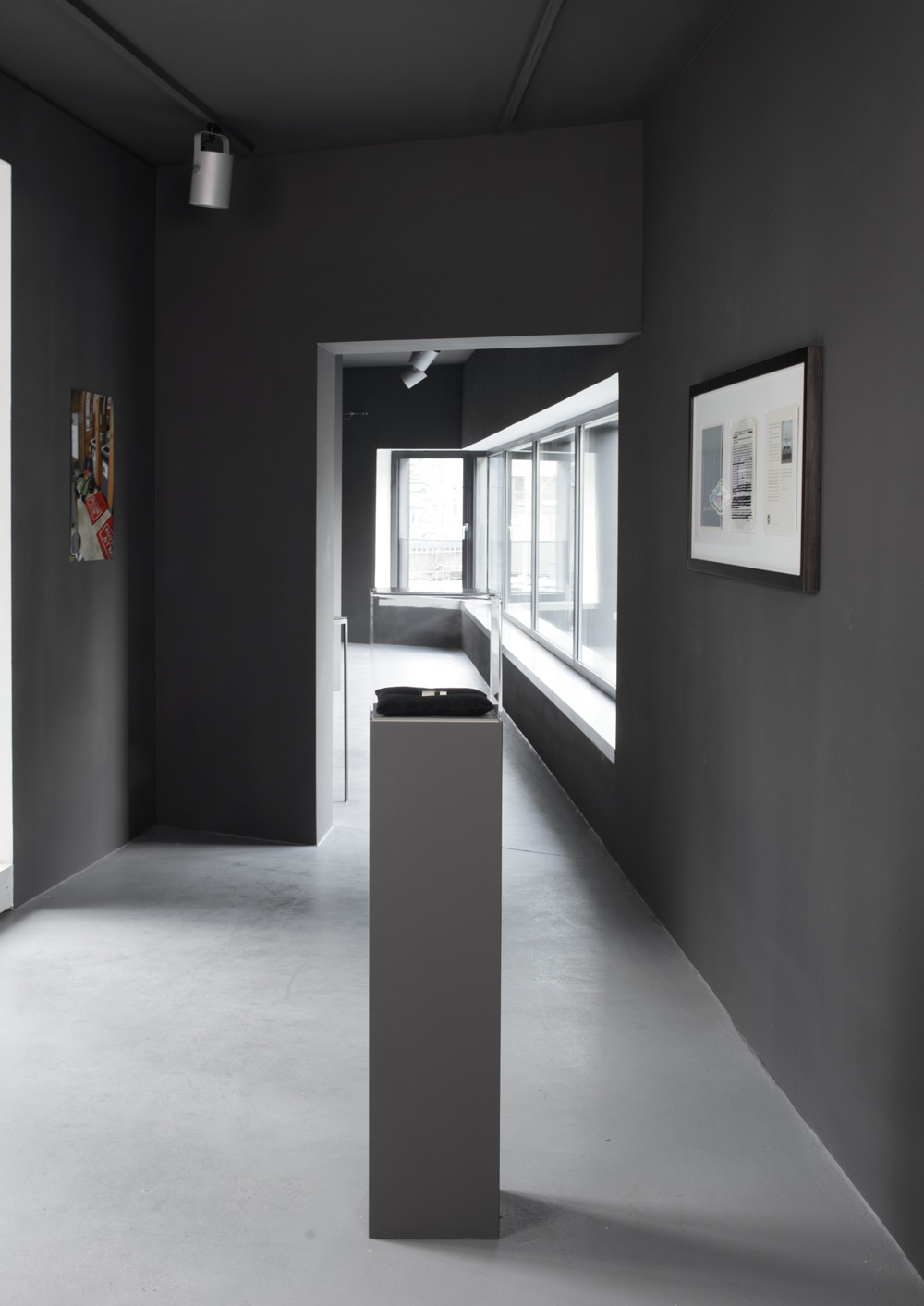
    Inspiriert von den neo-dadaistisch geprägten, subversiven Werken der Sammlung gibt die Ausstellung in einer imaginierten Inszenierung Einblick in das Leben mit Kunst aus einer ganz individuellen Perspektive.

    Die Sammlung SteDi ist eine Privatsammlung und umfasst zeitgenössischer Kunst der letzten 30 Jahre mit Schwerpunkt auf der deutschen Kunstszene inklusive gelegentlicher Einsprengsel von Arbeiten gleichgesinnter Künstler*innen aus Europa und den USA.

    / Inspired by the neo-Dadaist, subversive works of the collection, the exhibition gives an imagined staging and insight into life with art from a very individual perspective. The SteDi Collection is a private collection and comprises contemporary art from the last 30 years with a focus on the German art scene, including the occasional sprinkling of works by like-minded artists from Europe and the USA

    Seit 20.8.21 gilt wieder die 3G-Regel. Darum bitte Impf-, Genesungs- oder Testnachweise mitbringen. Kommen Sie bitte auch weiterhin mit FFP2-Maske.

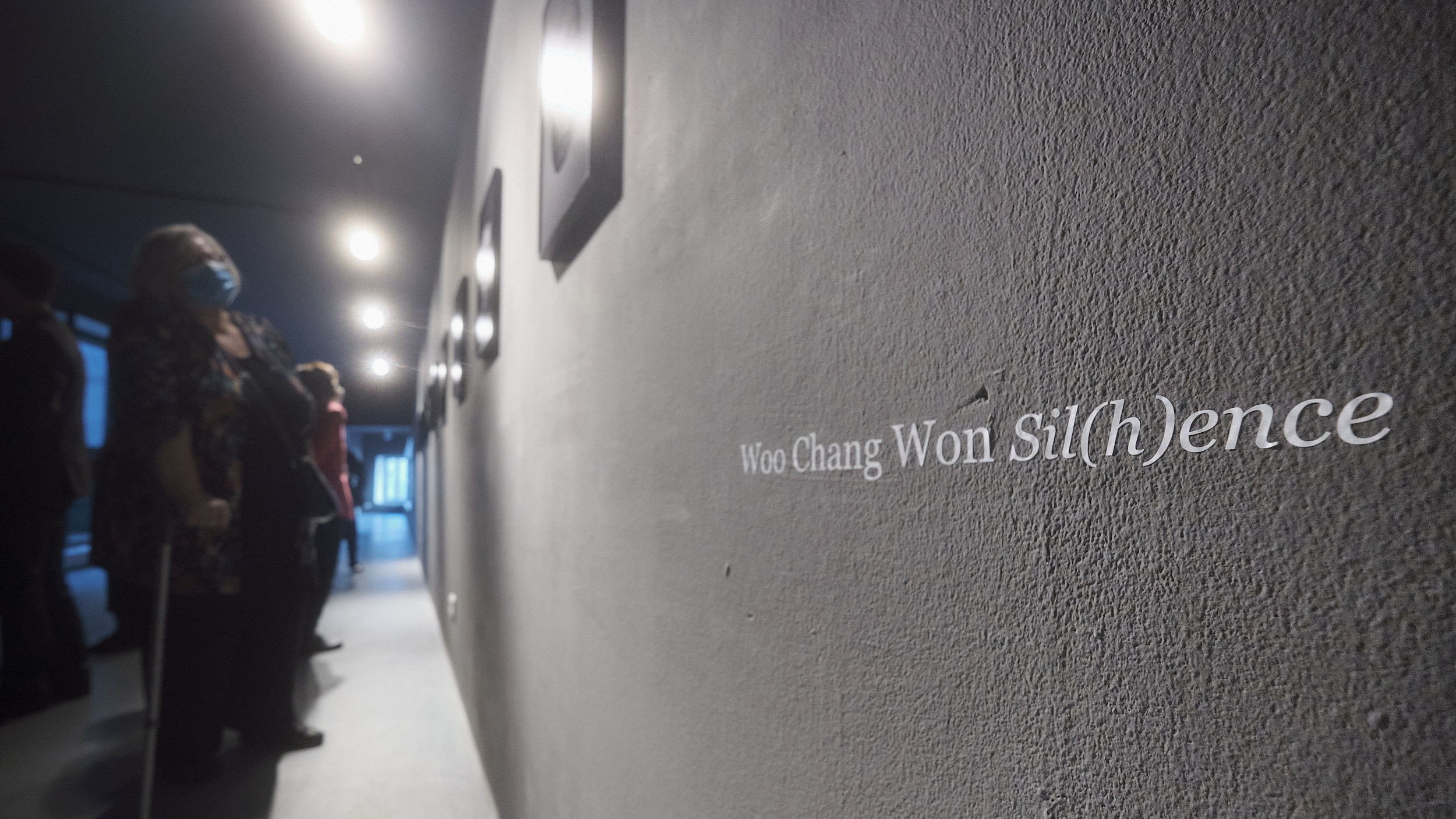
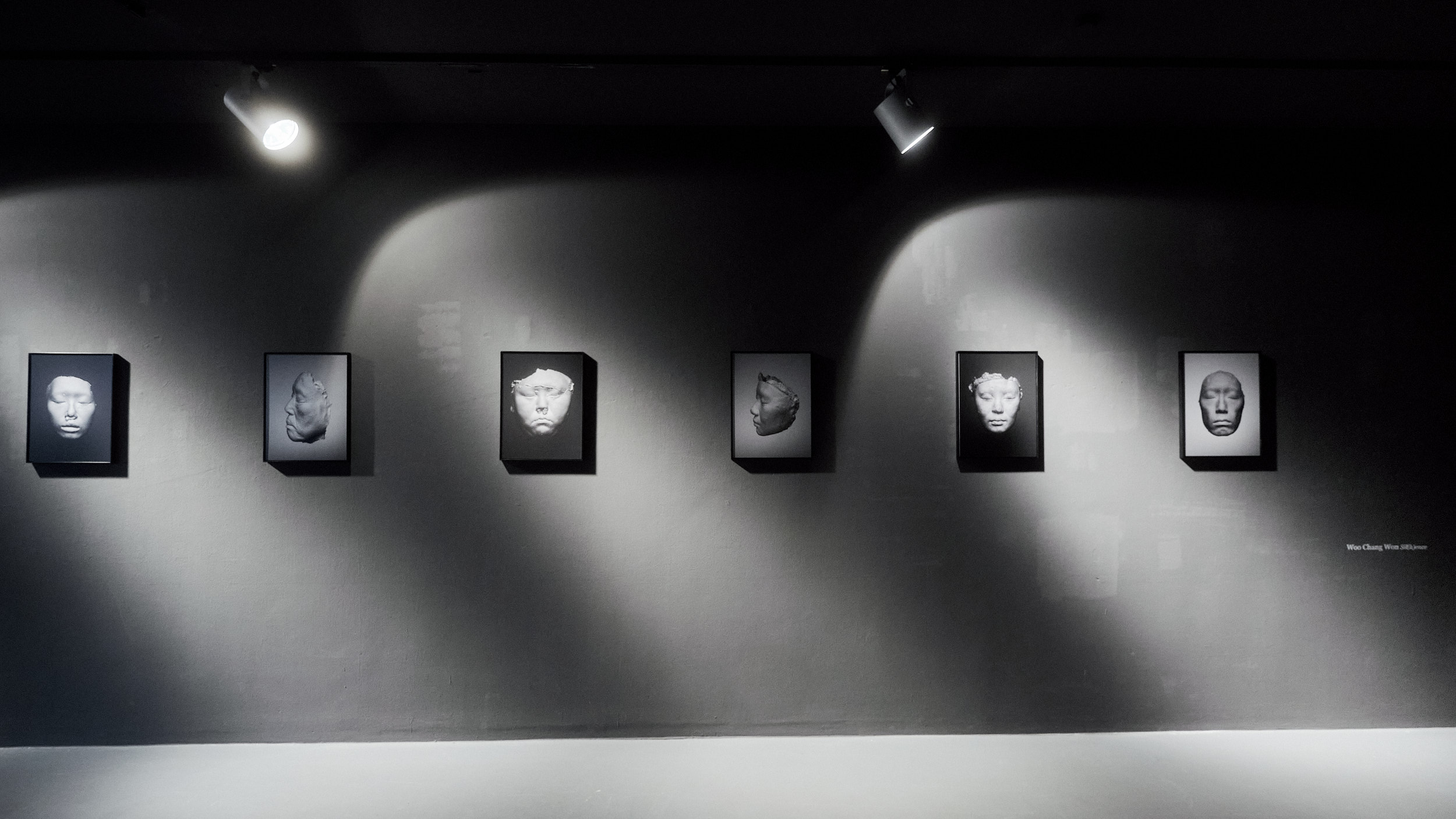
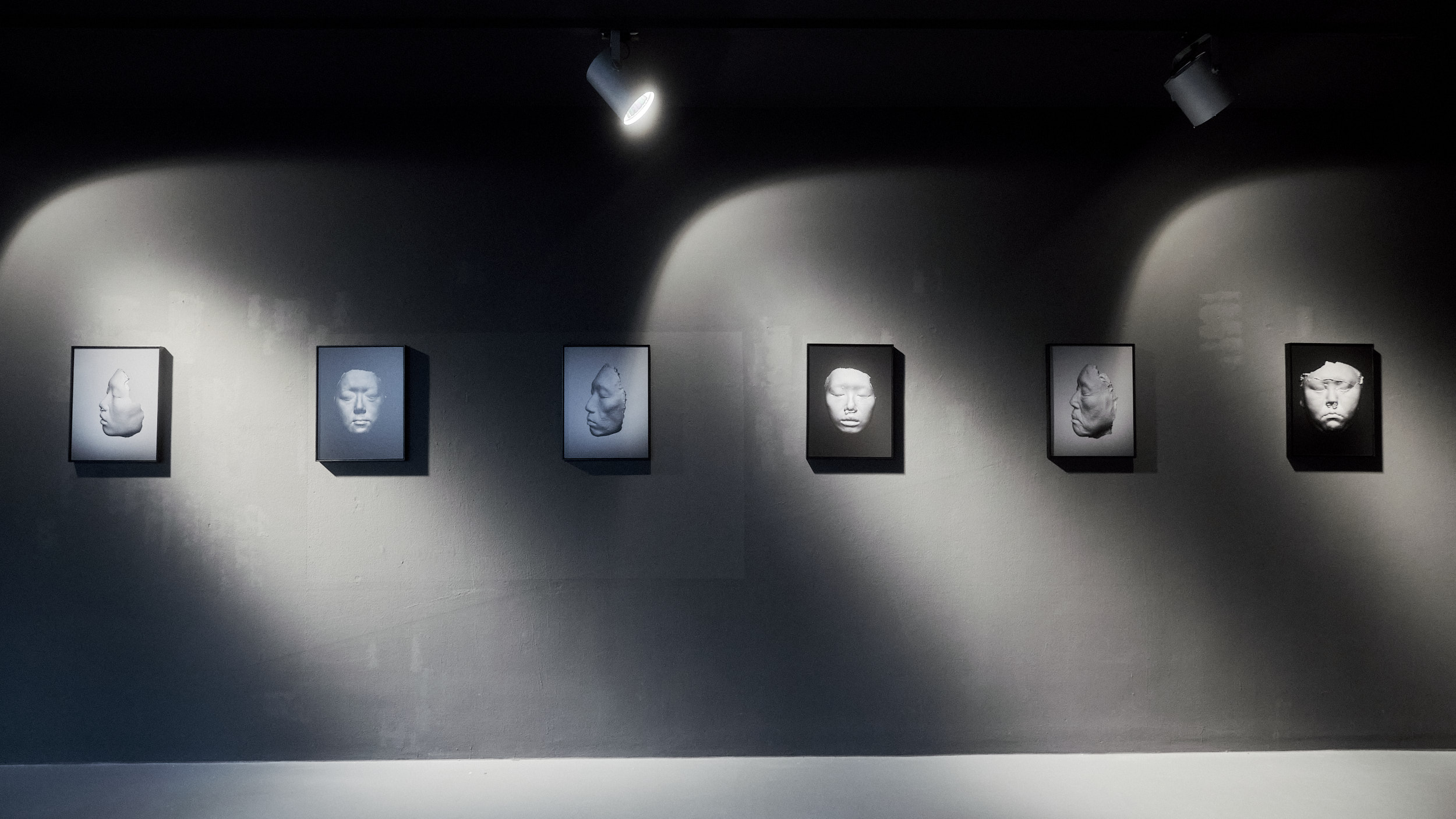
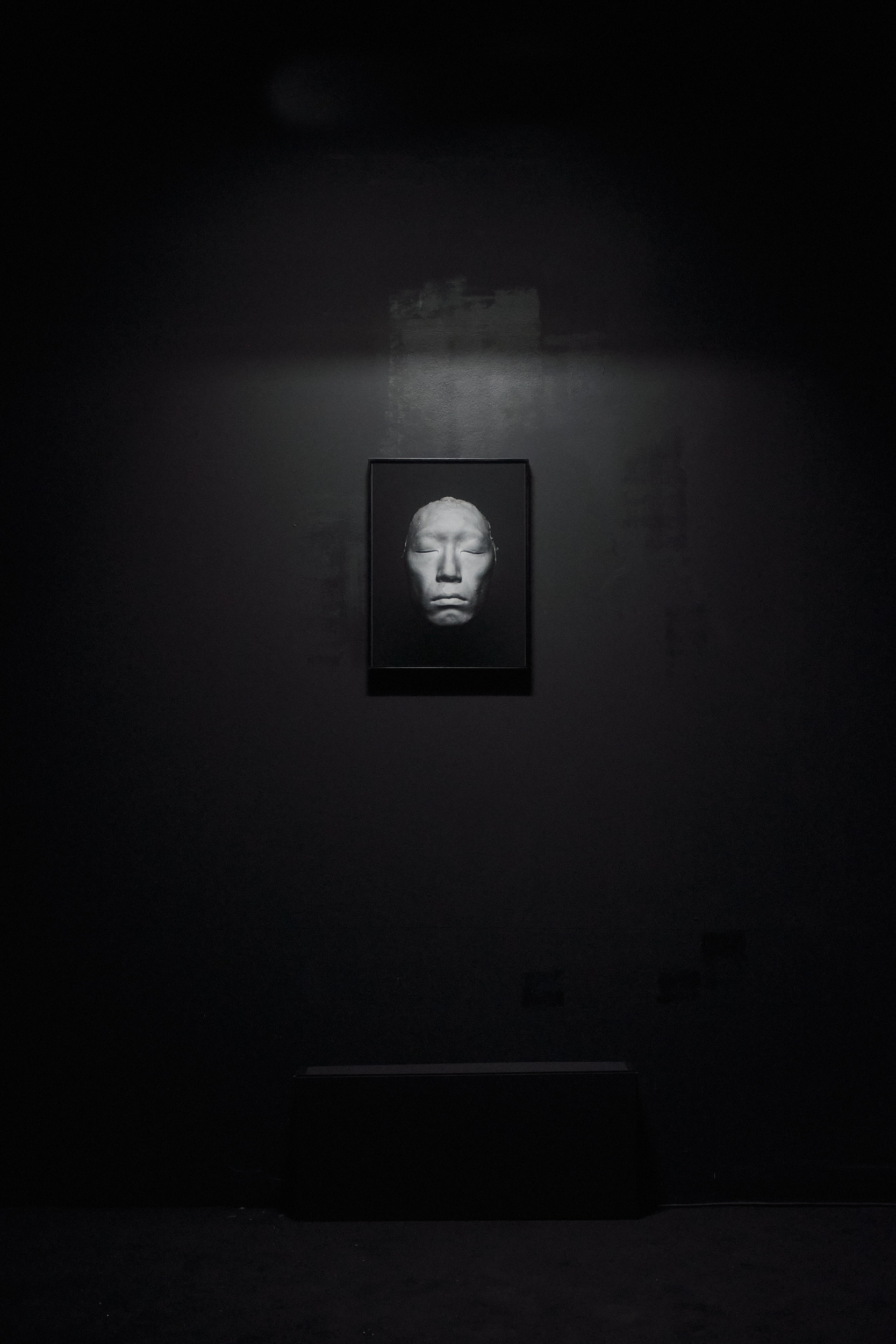
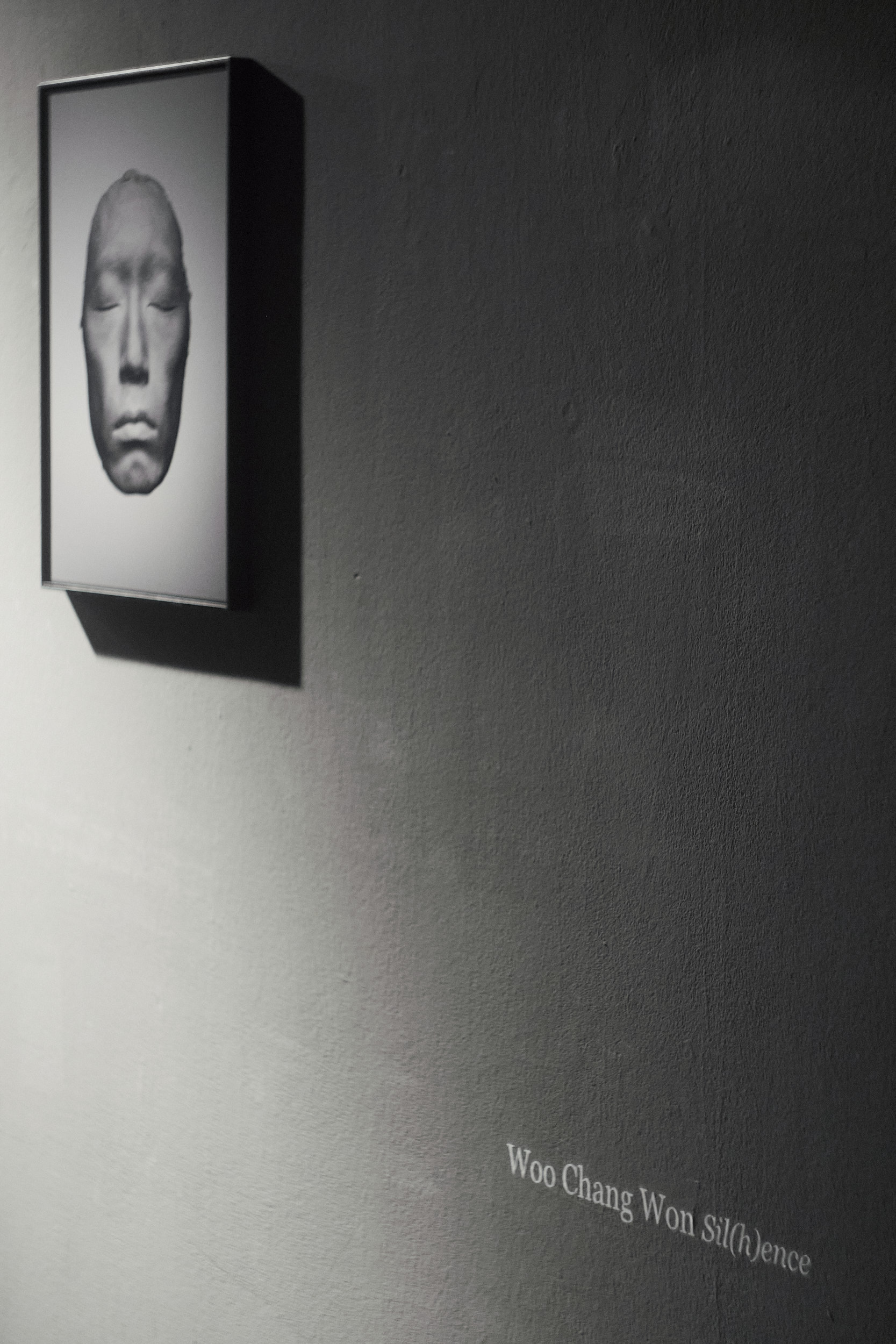
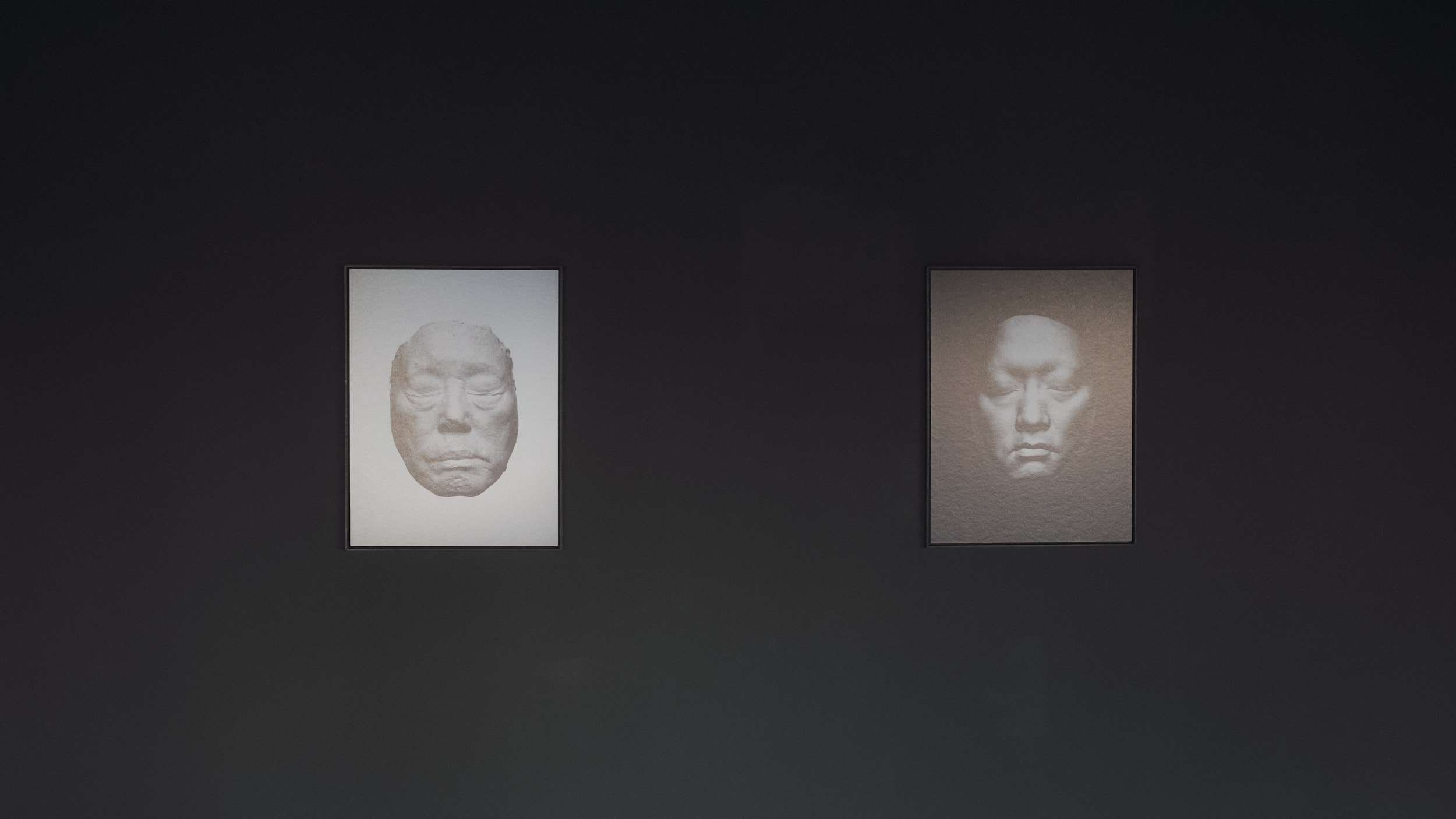
  • Woo Chang Won ‚Sil(h)ence‘

    9.10.-29.10.2021

    With this exhibition, hosted by the Kunstverein, continues the loose series of presentations of artistic positions from Korea begun in 2019.

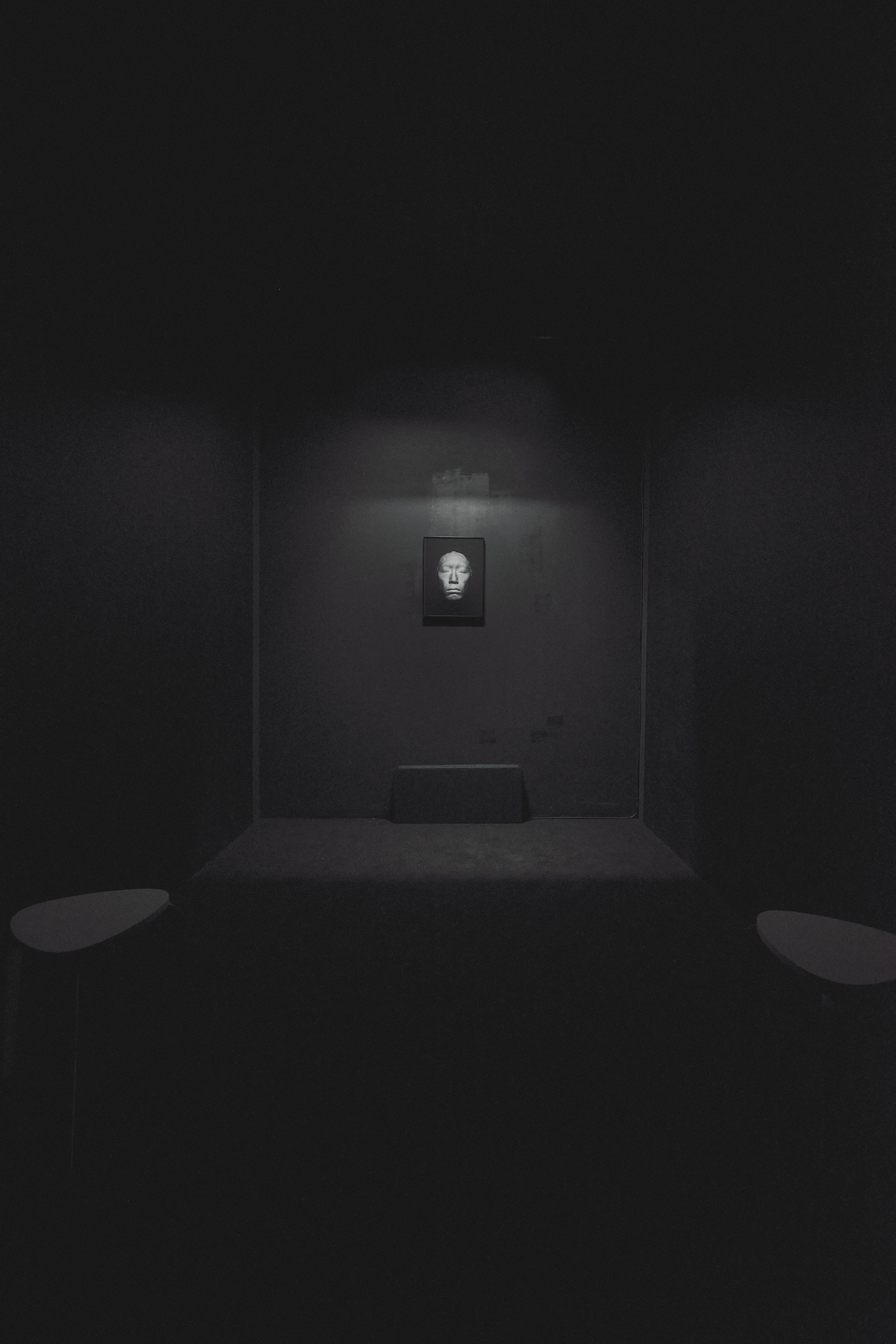
    Bilder von/images  by Markus Rack / marcusrack.com

    Das Projekt wird von der Alexander Tutsek – Stiftung gefördert

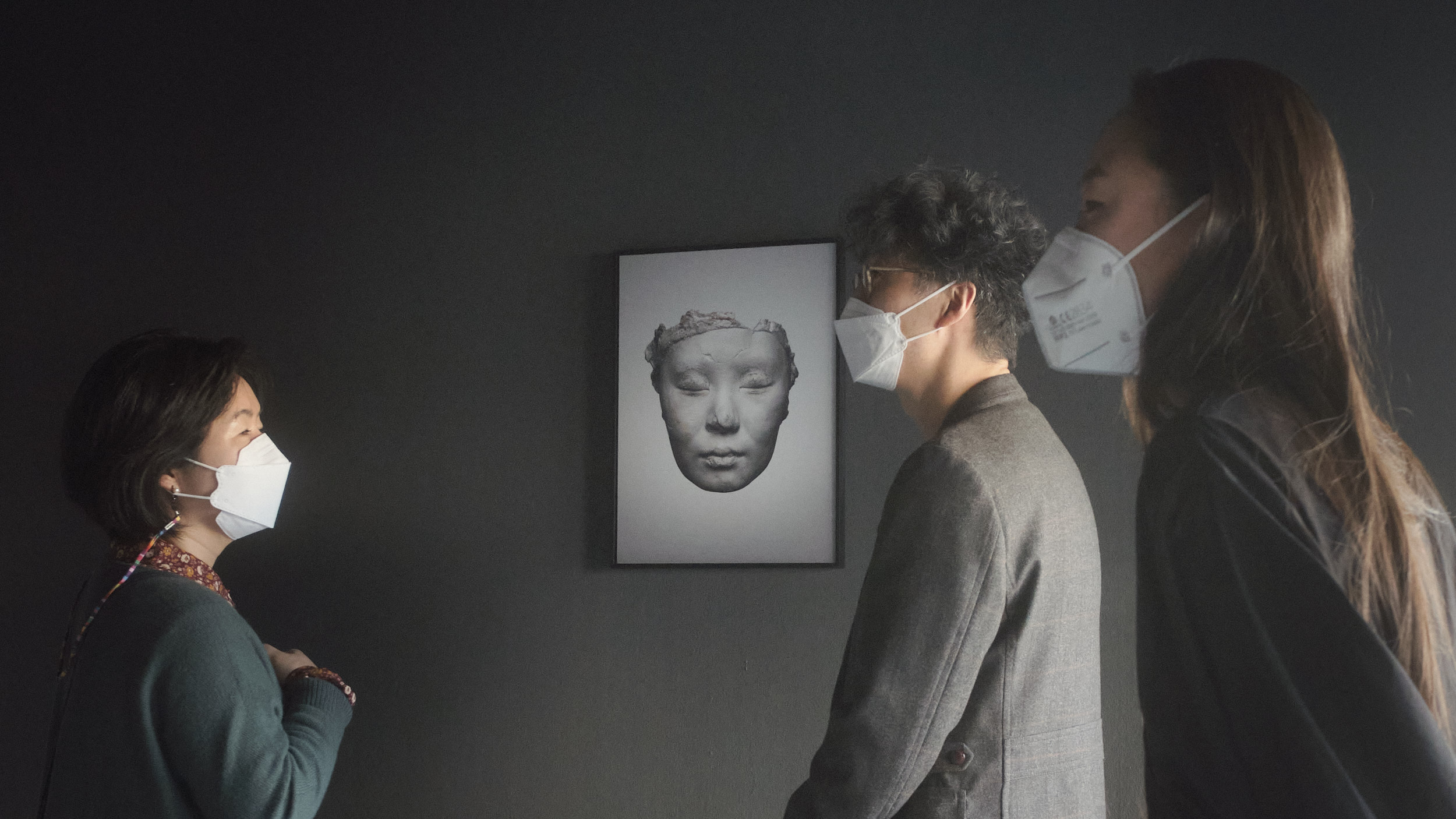
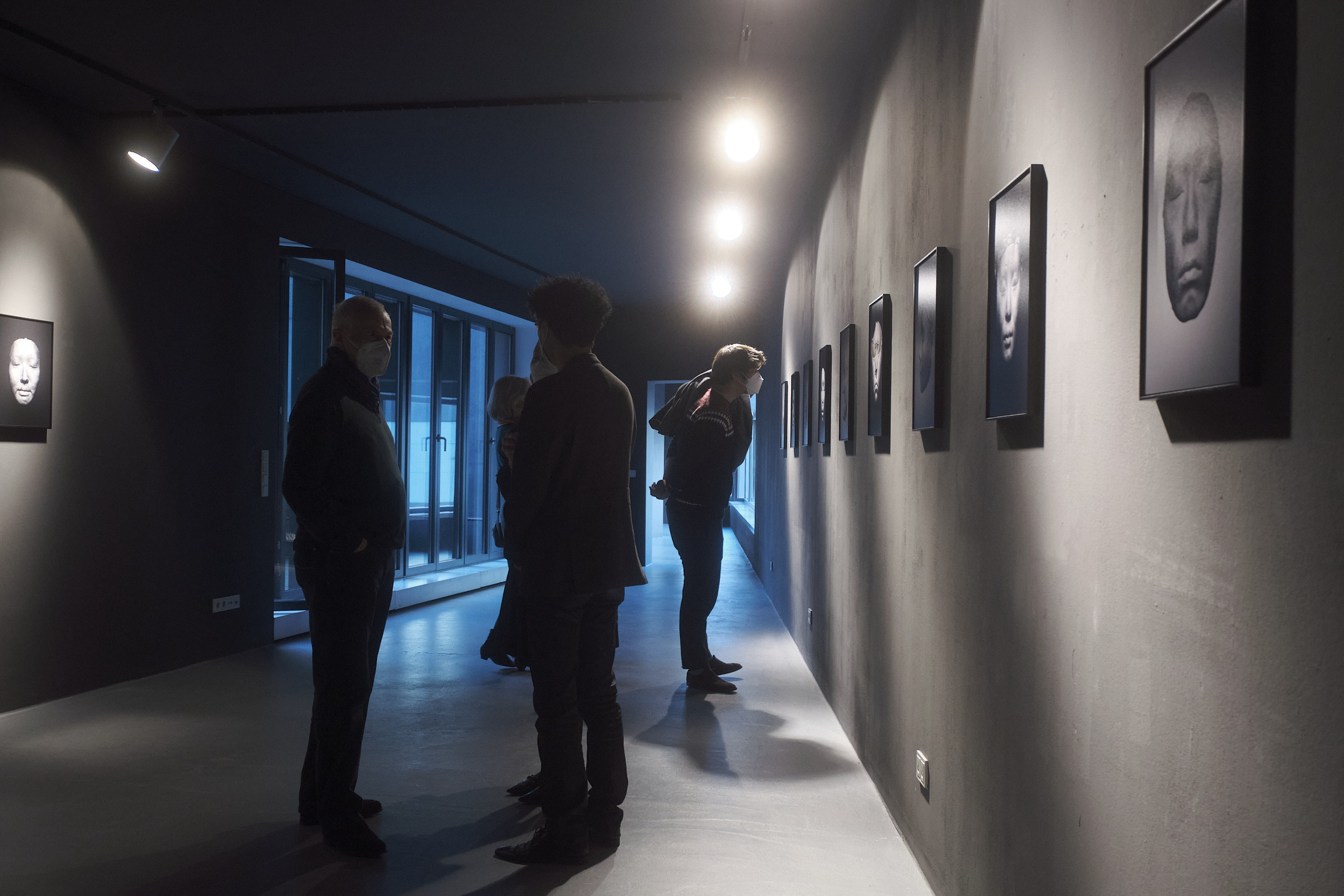
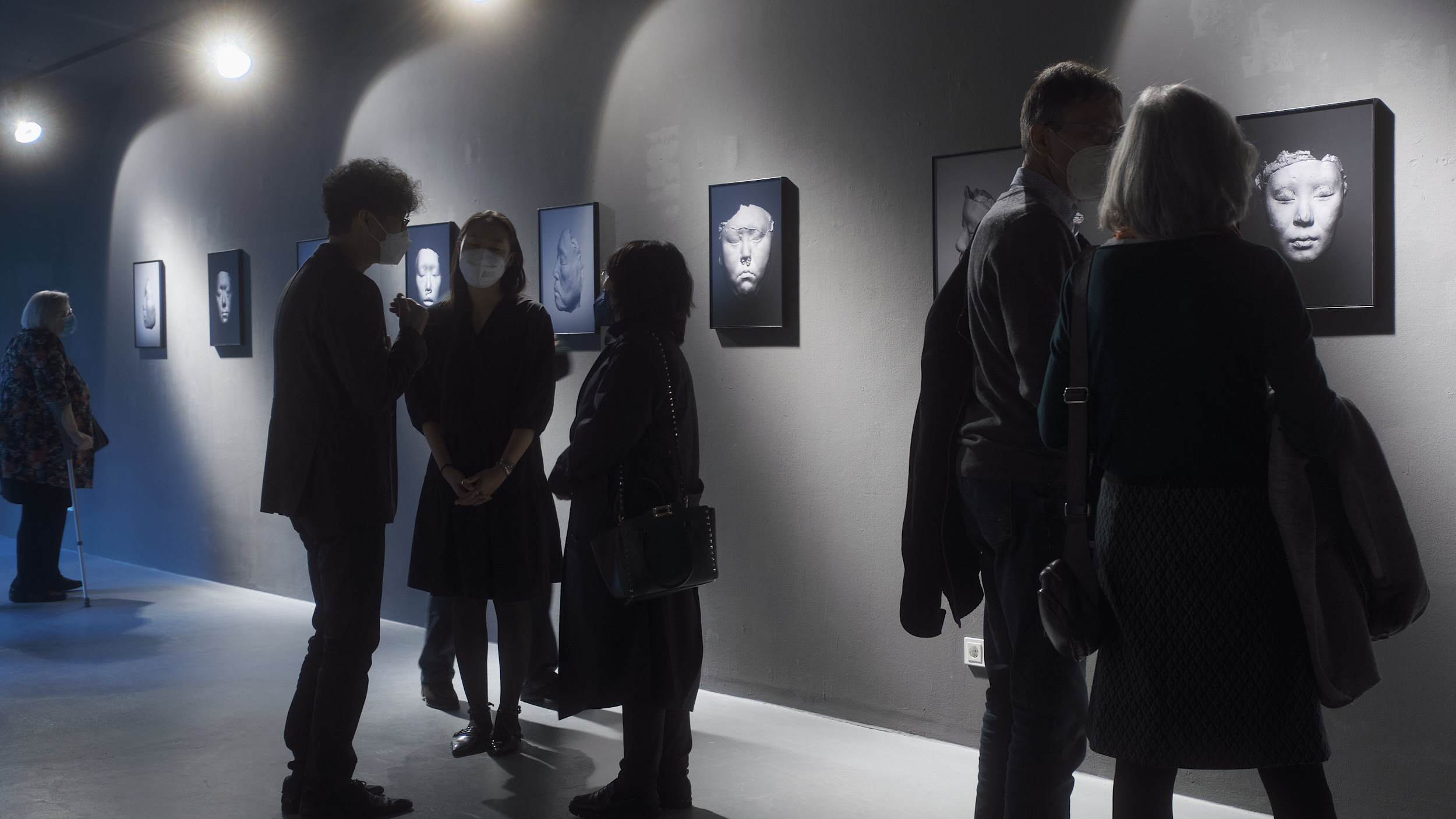
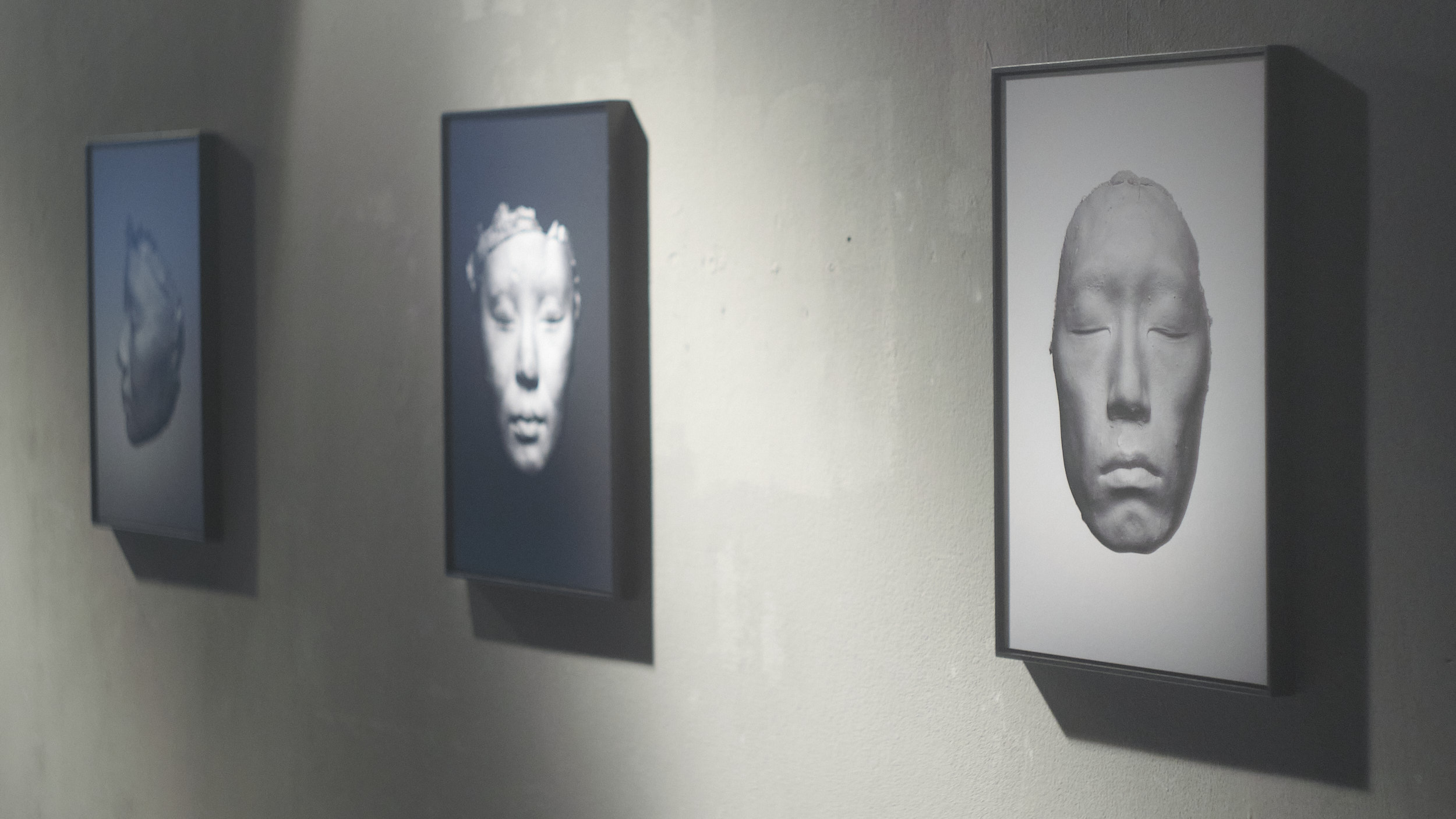
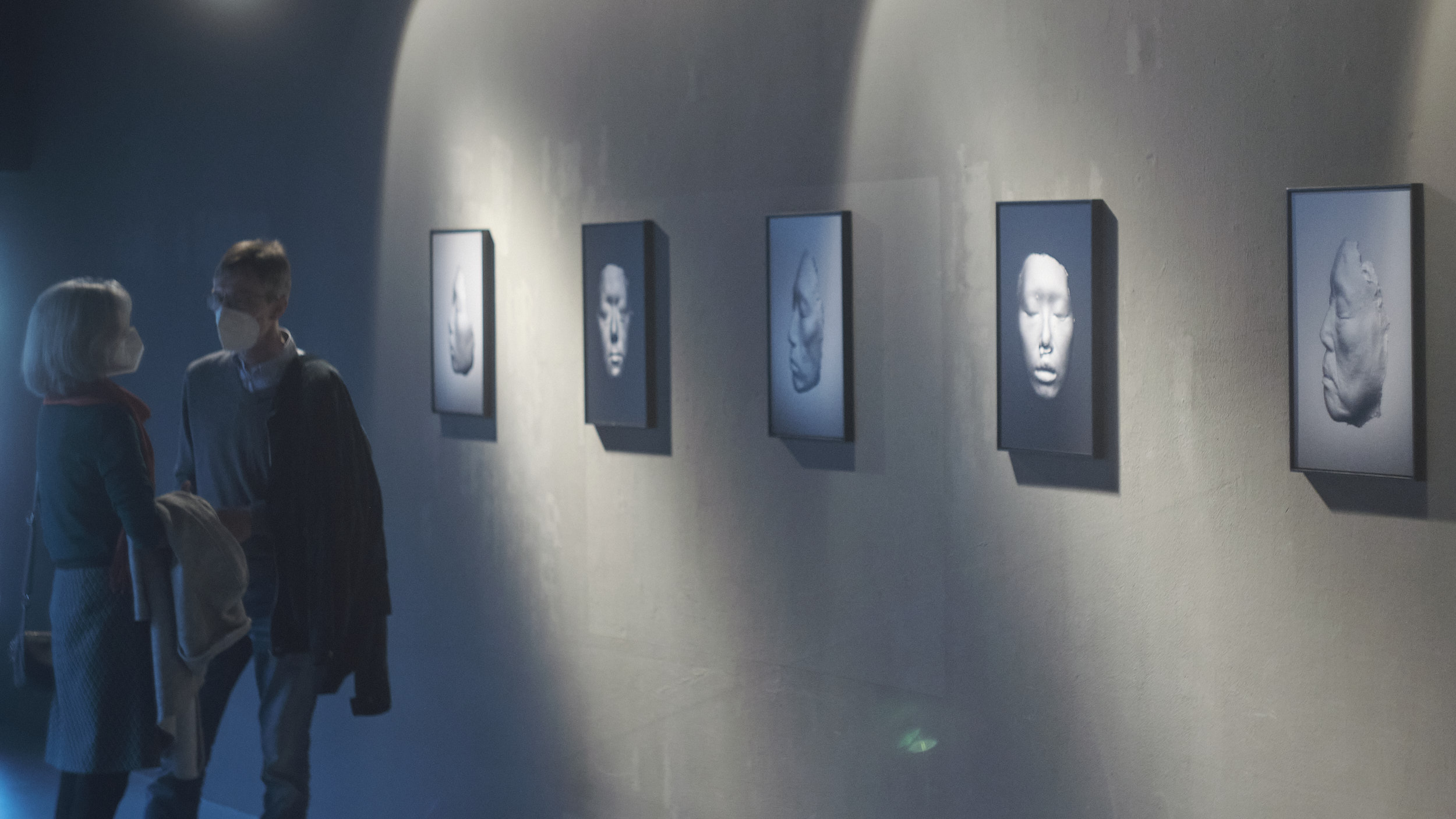
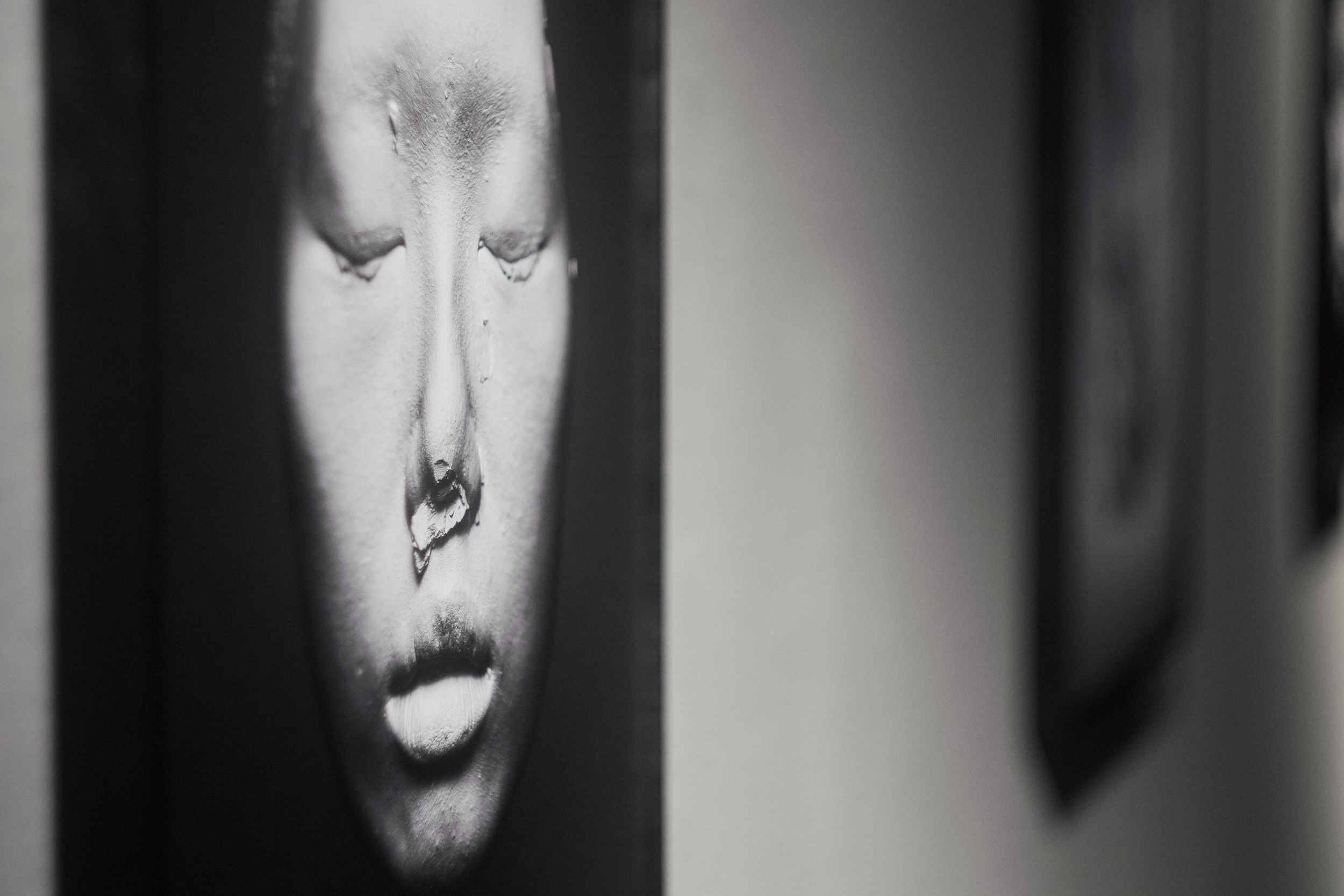
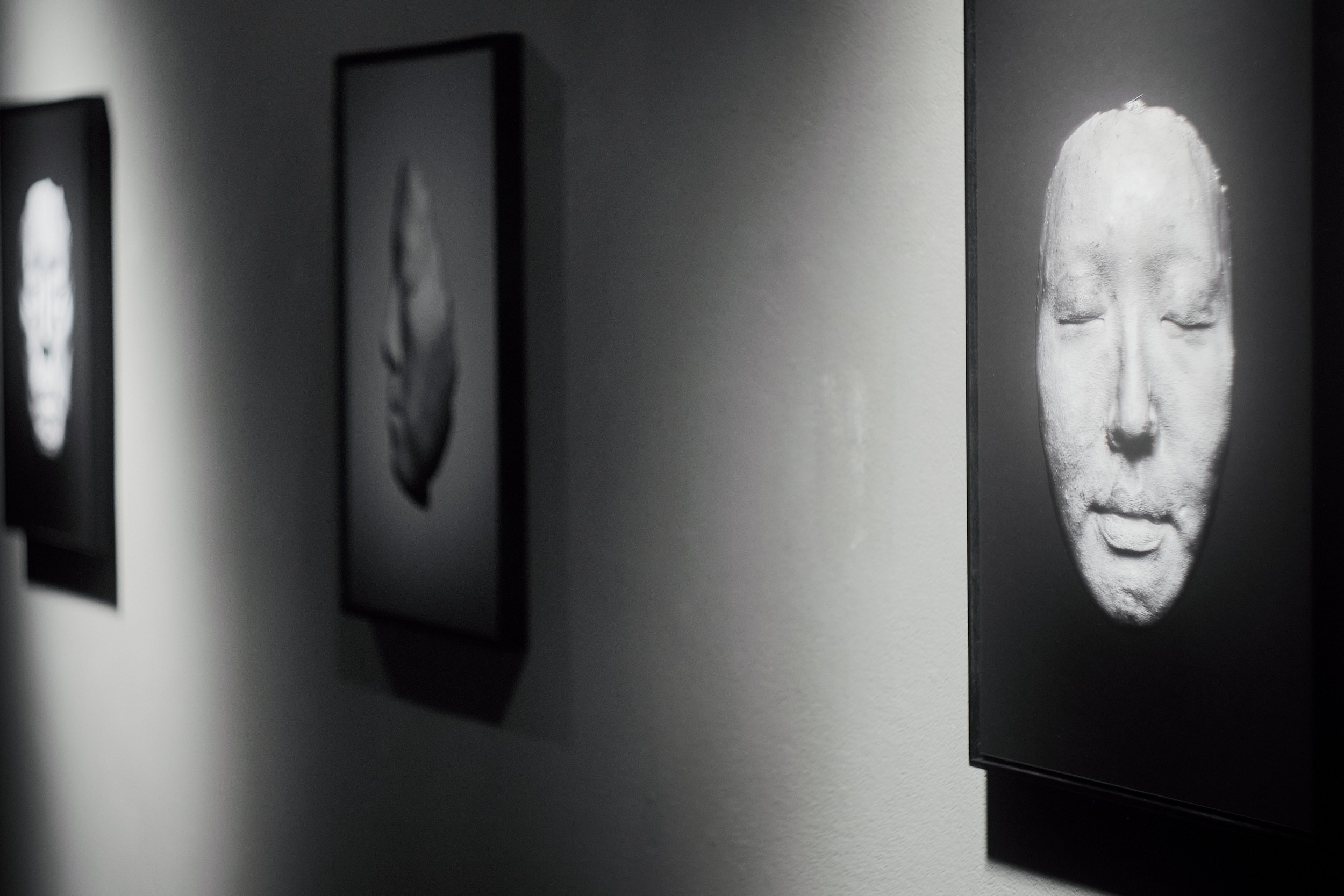
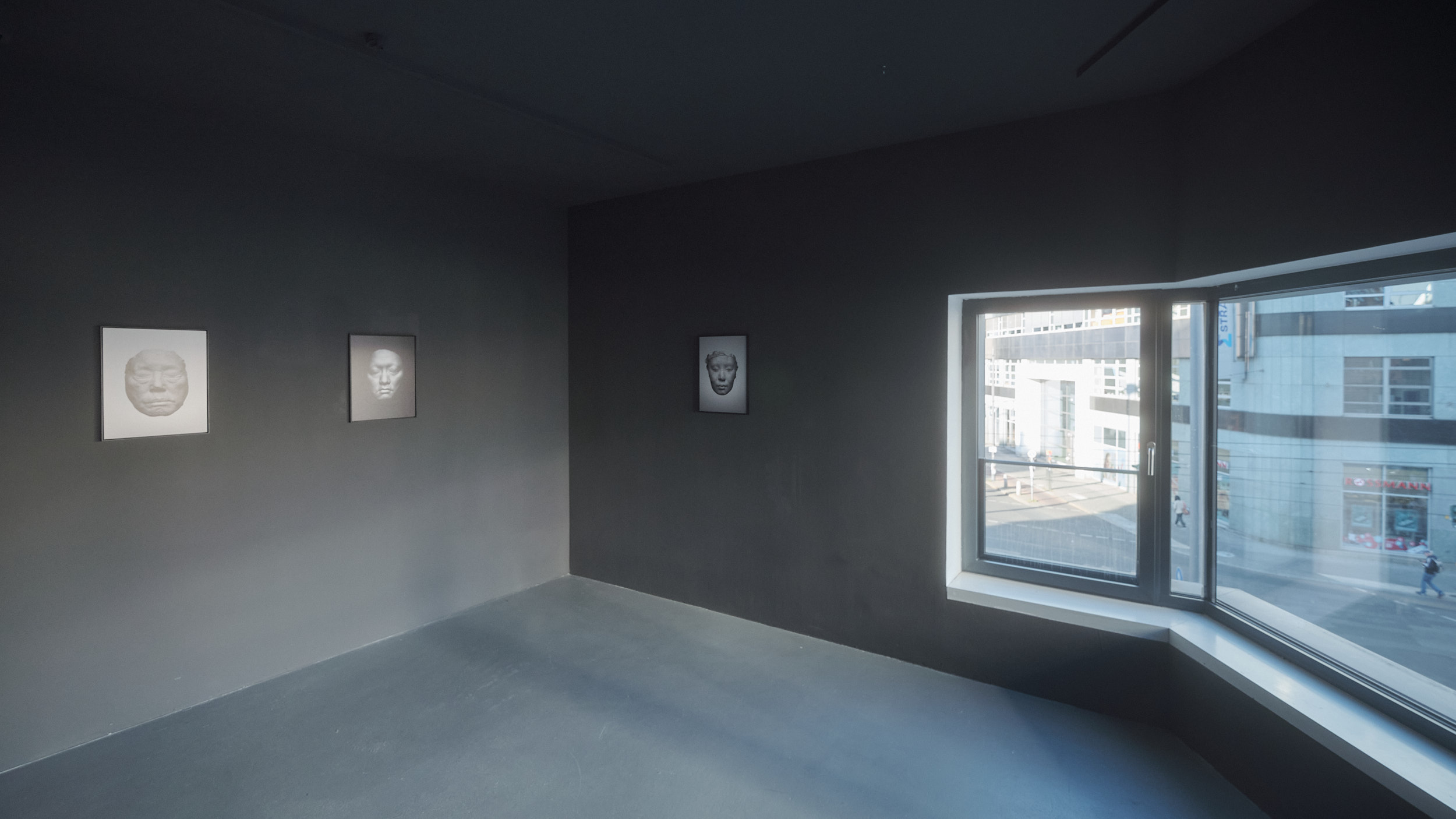
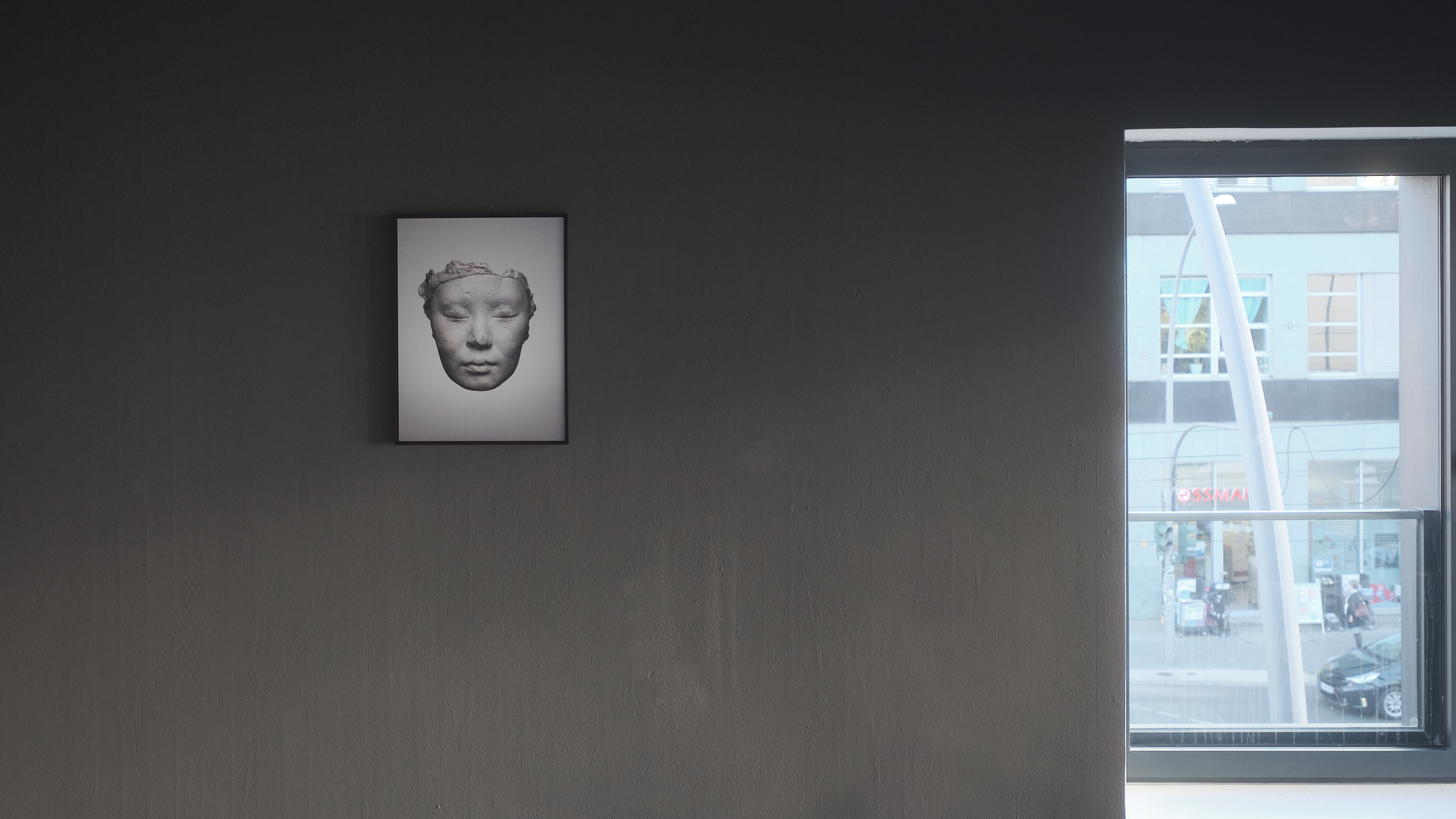
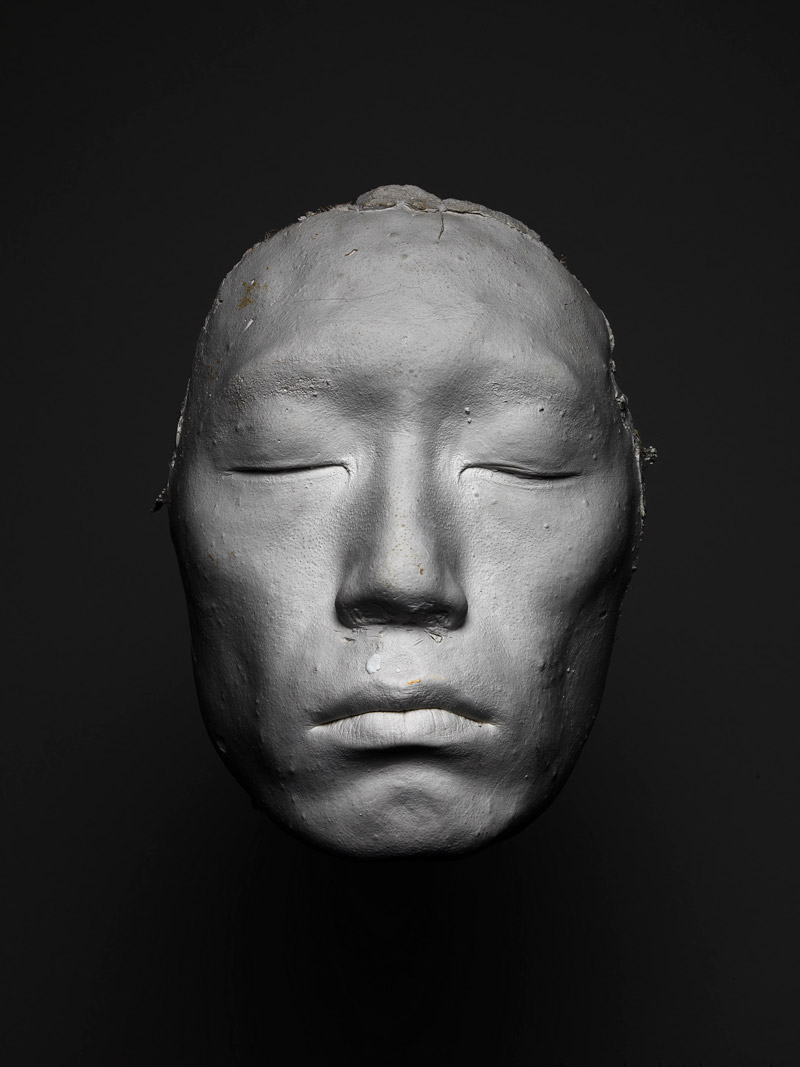
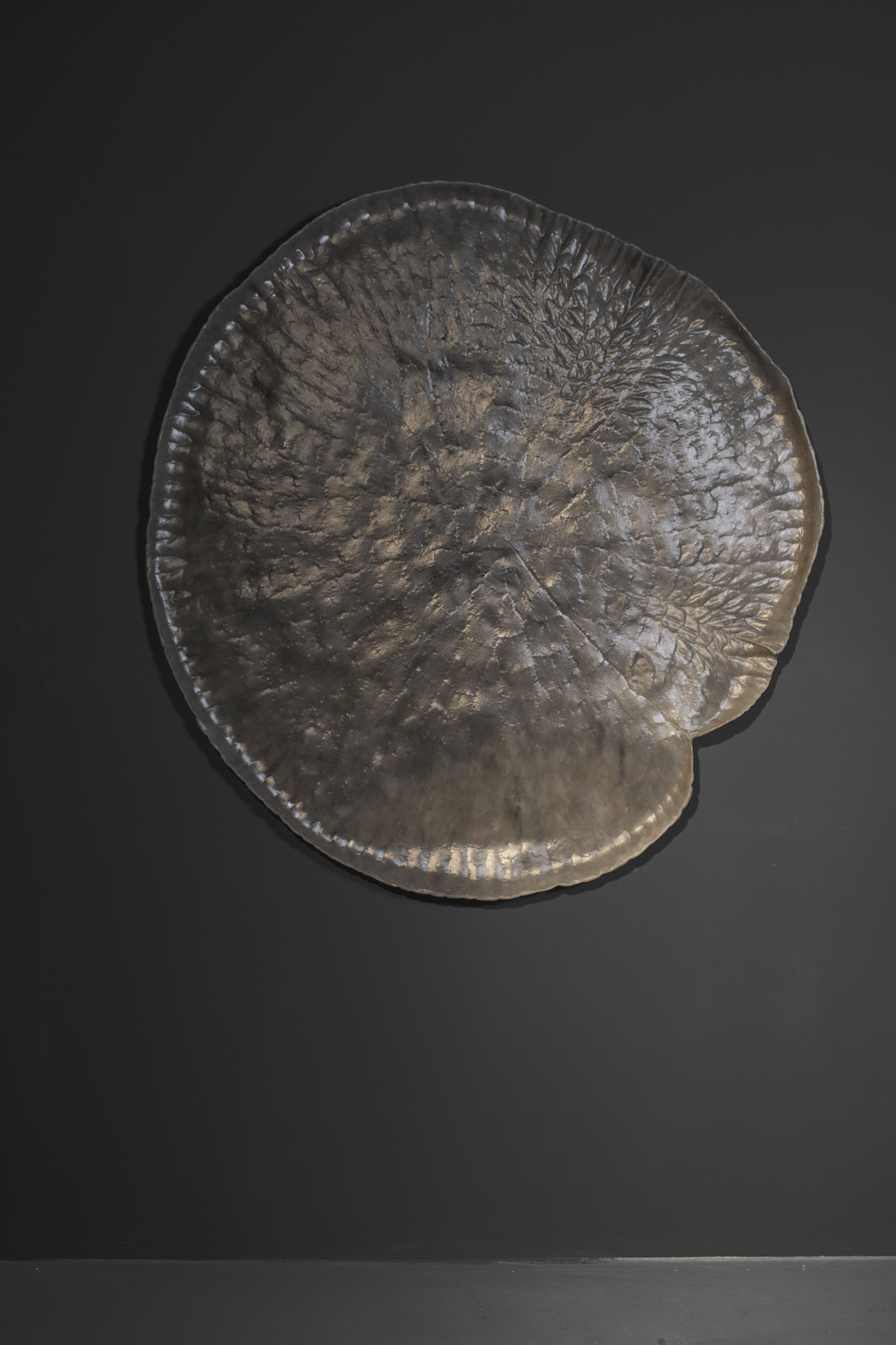
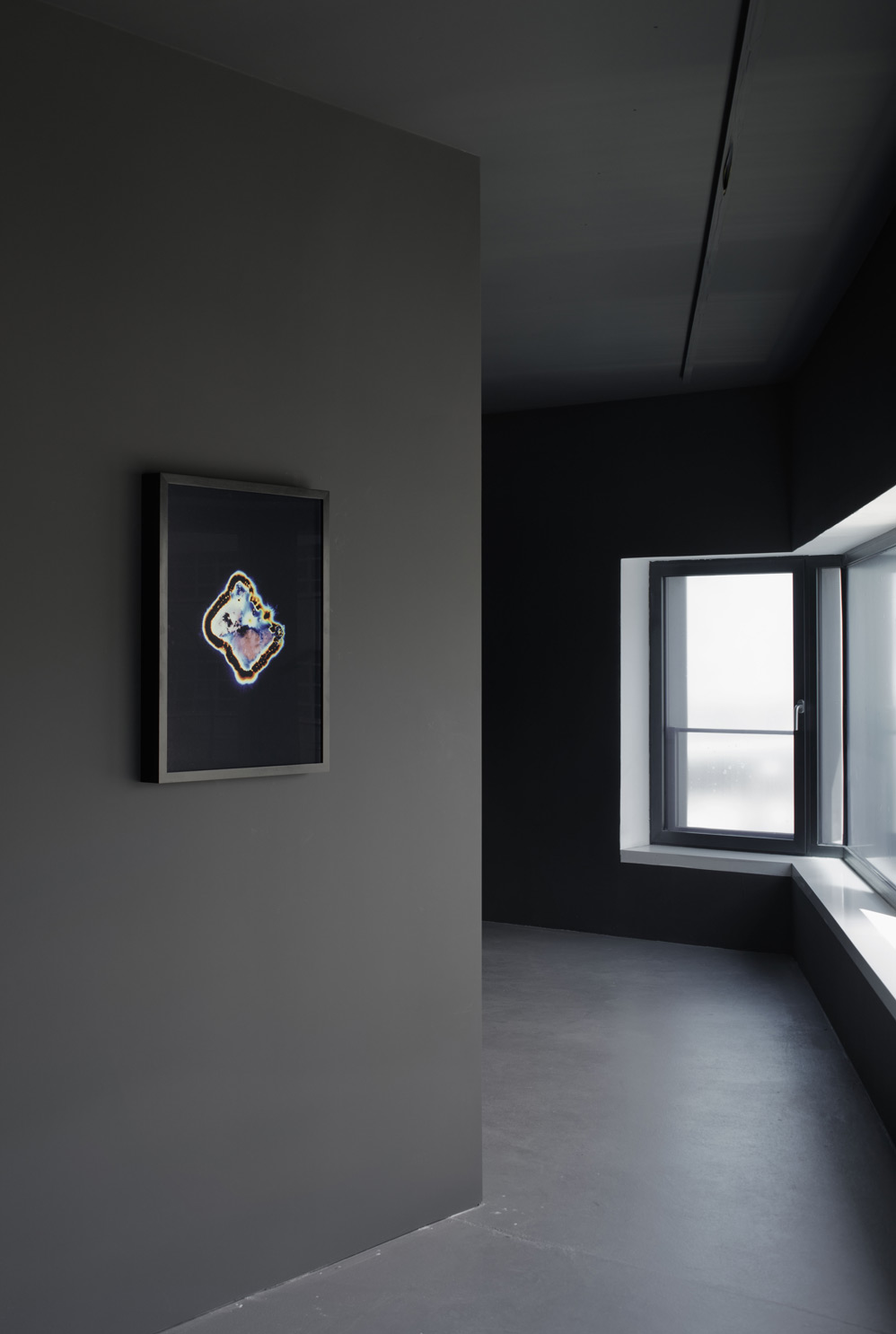
    Der Ausstellungstitel „Sil(h)ence“ verbindet die Begriffe „silence“ (Stille) und „hence“ (daher). Er suggeriert Stille als Ausgangspunkt des künstlerischen Prozesses, als Moment der Meditation und Selbstbesinnung. Stille wird als Reaktion des Publikums angestrebt, um eine meditative Herangehensweise anzustoßen – als ein in der Zeit festgehaltener Moment, als Spiegel einer tieferen Wahrnehmung. Dieser Moment der Selbstbeobachtung und Besinnung, der als in der Zeit schwebend und meditativ empfunden wird, nimmt durch die fotografischen Arbeiten Gestalt an als Blick nach innen; er führt das Werk des koreanischen Fotografen Chang-Won durch ein immersives Erlebnis ein und verändert die Art und Weise, wie der Betrachter in das Werk „eintreten“ kann, indem er sich darin widergespiegelt sieht. Durch das Wort „hence“ offenbart der Titel die Konsequenz dieses Moments der Erinnerung als weitere Entwicklung: einen kreativen Akt, der auf einer tieferen Selbstreflexion beruht – wörtlich und dynamisch. Die Werke haben die Masken zum Thema, die der Künstler in seinem Atelier aus Keramik gefertigt und später fotografiert hat. Die Masken erscheinen als schwebende Objekte, die das Gefühl der Meditation und Selbstbeobachtung widerspiegeln: Sie spiegeln den Betrachter wider.

    In den Werken von Woo Chang-Won ist der Akt des Augenverschließens, des Still- und Schweigens eine Geste in Richtung „Leere“ (공/KONG), die eine Bewegung nach innen auslöst, hin zu einem tieferen Verständnis. In diesem Sinne zielt der Künstler darauf ab, einen Raum zu schaffen, in dem man durch die Leere wieder eine Verbindung zu sich selbst herstellt und sich selbst wahrnimmt, indem man einfach vor den Werken innehält.

    Das Schweigen steht im Zusammenhang mit der Praxis des „Wall-Gazing“, einer der bekanntesten südostasiatischen Meditationsmethoden, bei der man durch das Meditieren und das Beobachten der Abwesenheit des Selbst in die Lage versetzt wird, die eigene innere Welt zu erkunden und so zu einer tieferen Wahrnehmung des Selbst, der Umgebung und nun auch der ausgestellten Werke zu gelangen.

    Es ist eine stille Ausstellung…

    Diese Ausstellung wurde von Chiara Valci Mazzara kuratiert und von Hyein Park co-kuratiert.


  • Activist Neuroaesthetics:Part 3: Telepathy and New Labor

    Activist Neuroaesthetics:
    Part 3: Telepathy and New Labor

    Curated by Warren Neidich  Jacquelene Drinkall and
    July 24–August 21, 2021

    Öffnungszeiten: Di – Sa 14-19h*

    Seit 20.8.21 gilt wieder die 3G-Regel. Darum bitte Impf-, Genesungs- oder Textnachweise mitbringen. Kommen Sie bitte auch weiterhin mit FFP2-Maske. 

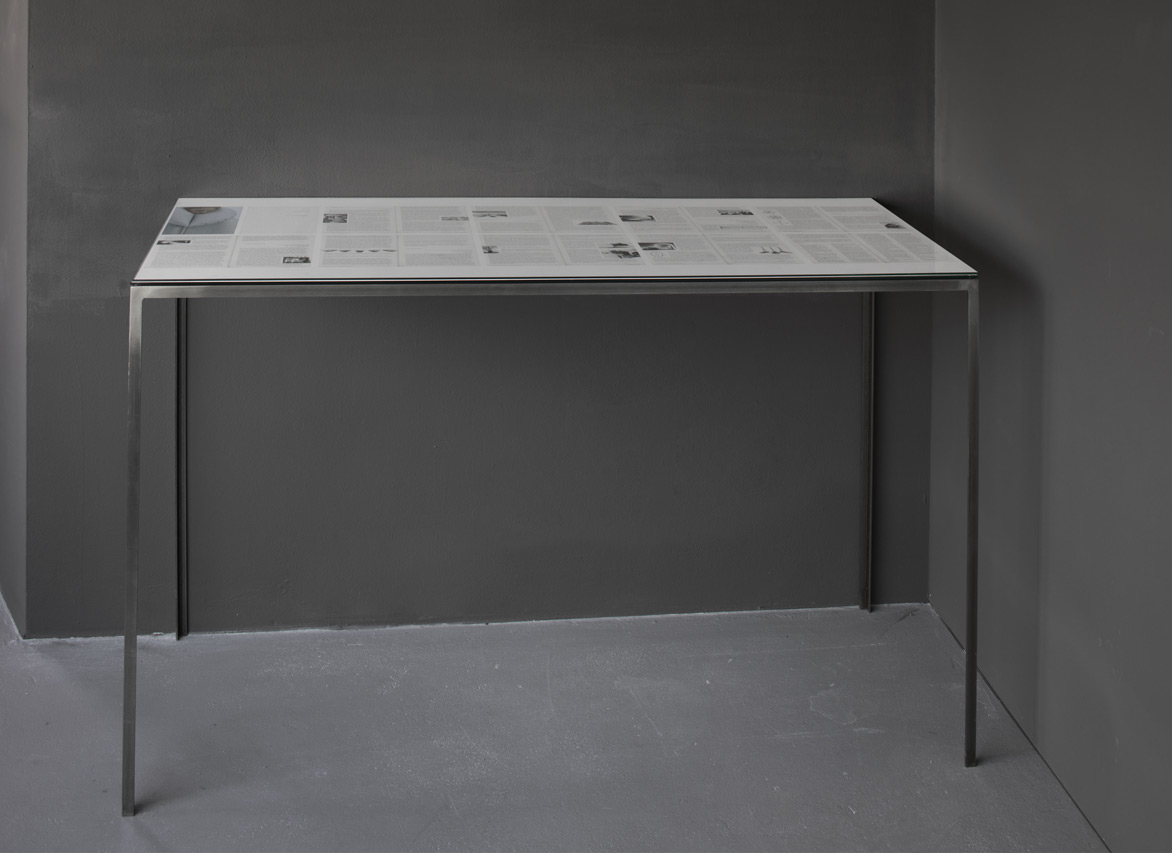
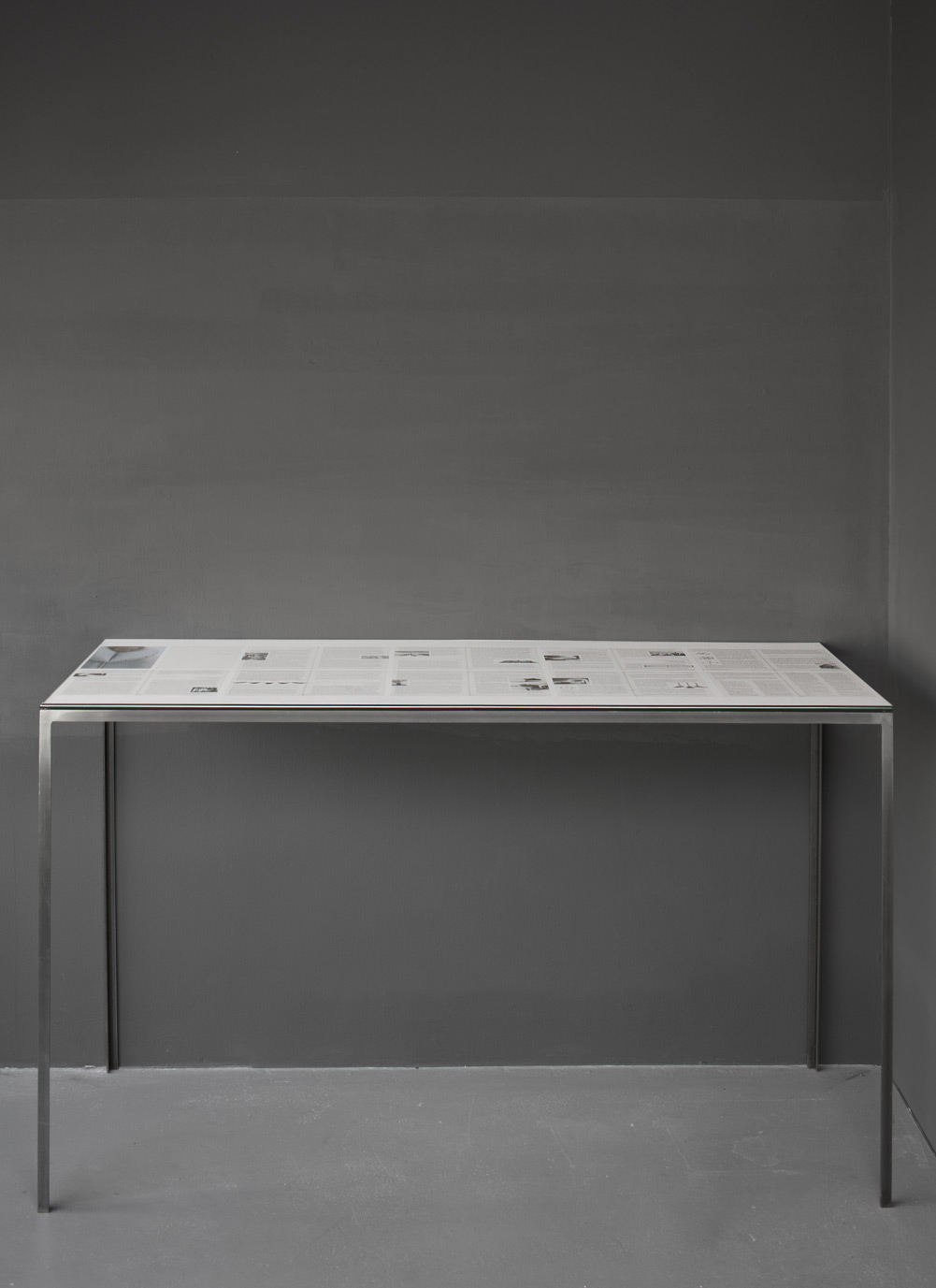
    20.8.21, 17-21 h, Finissage und Vorstellung des Katalogs im Zeitungsformat mit zahlreichen Texten zum Thema und Dokumentation der gesamten Ausstellung.

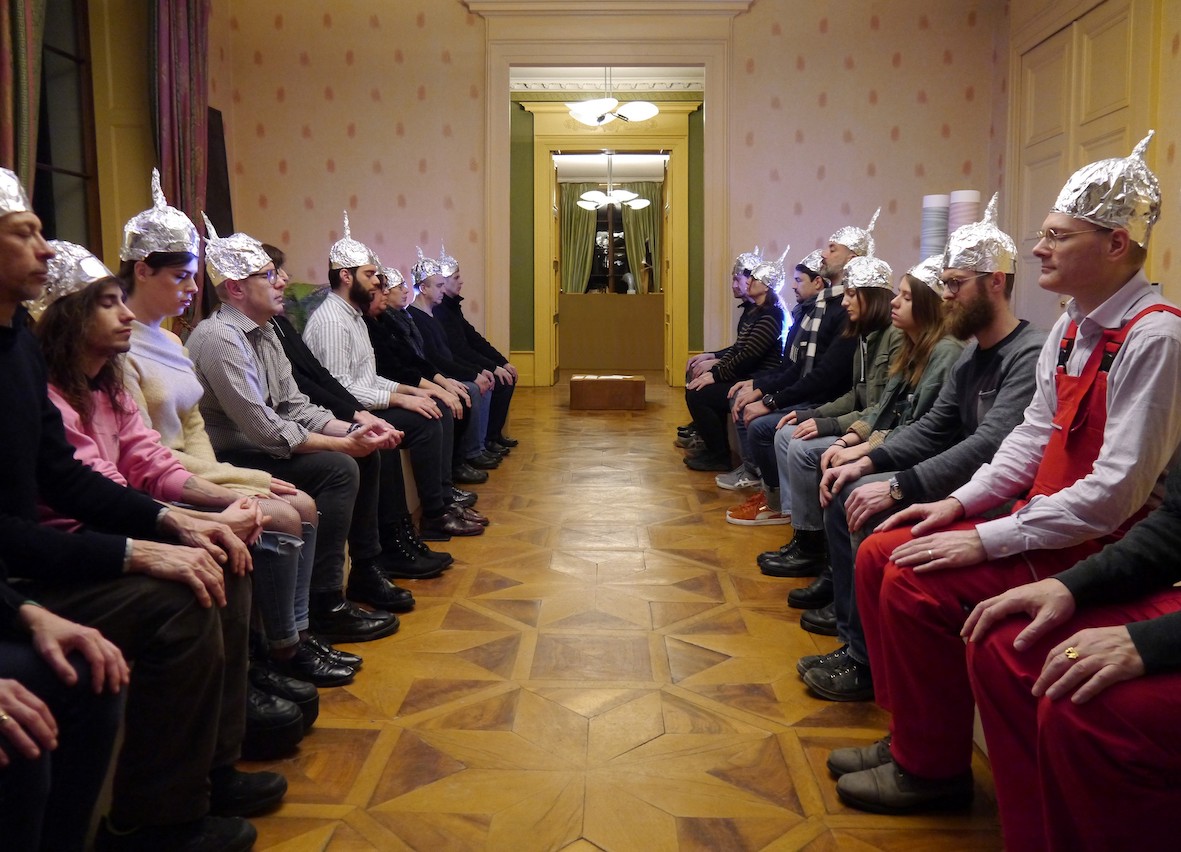
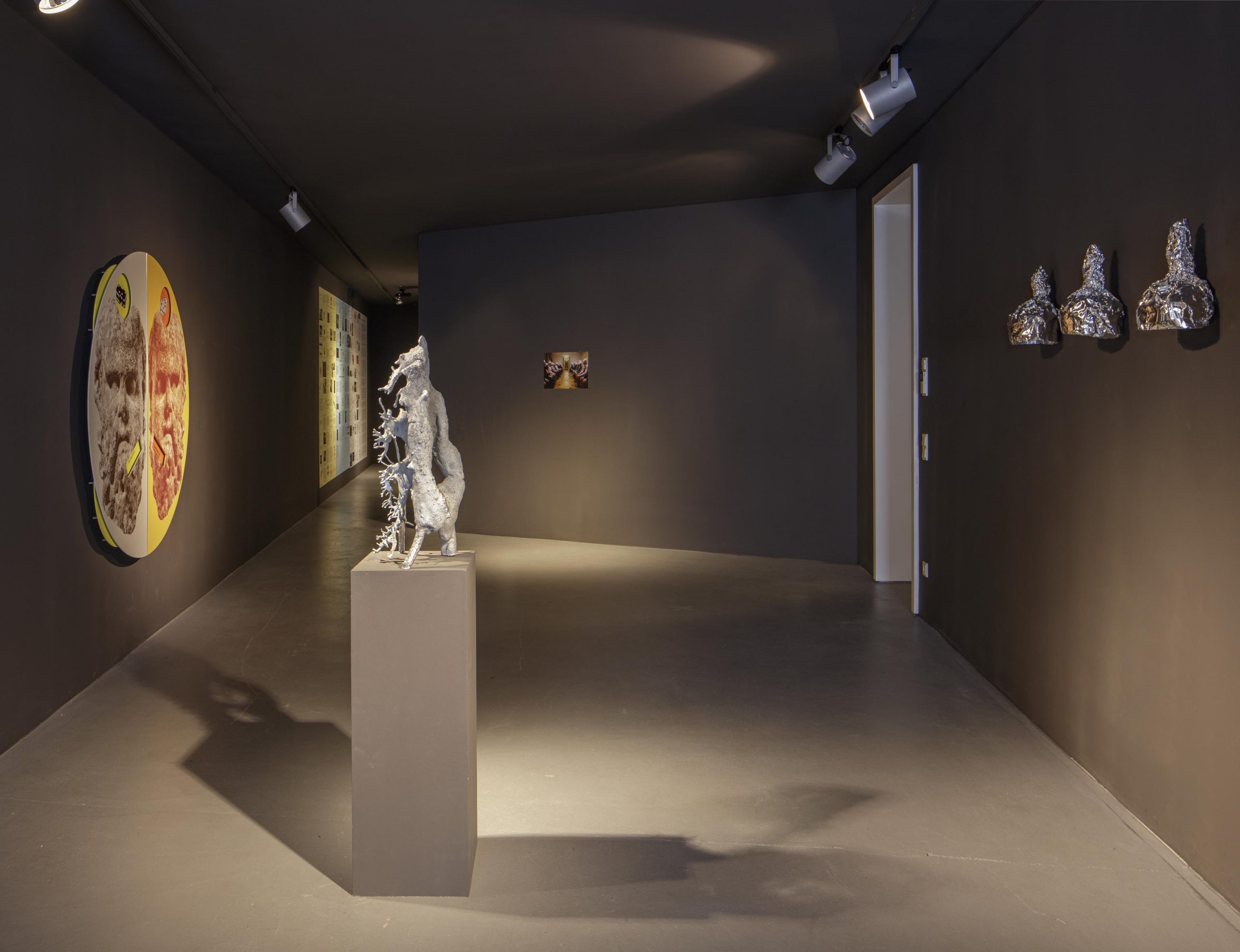
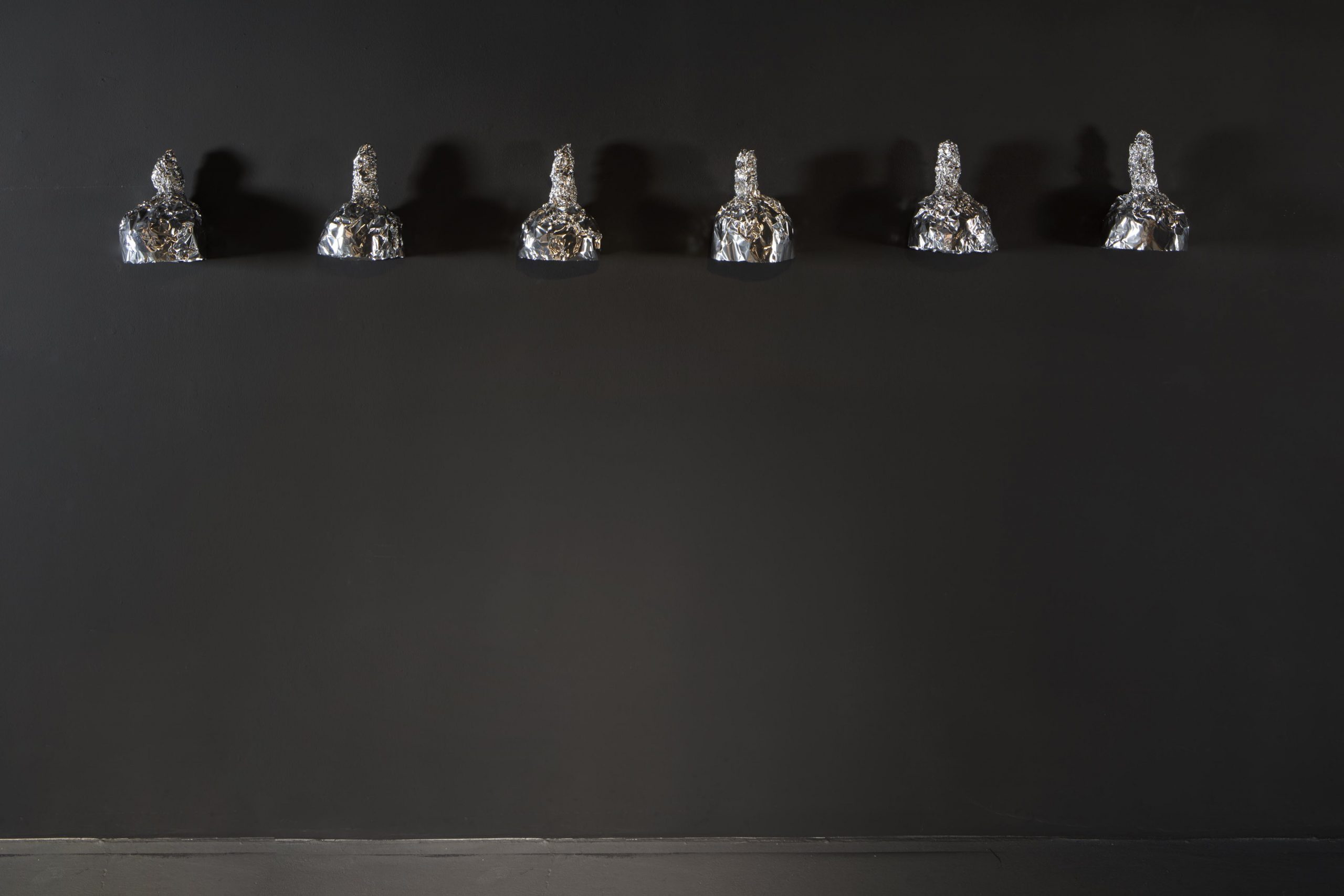
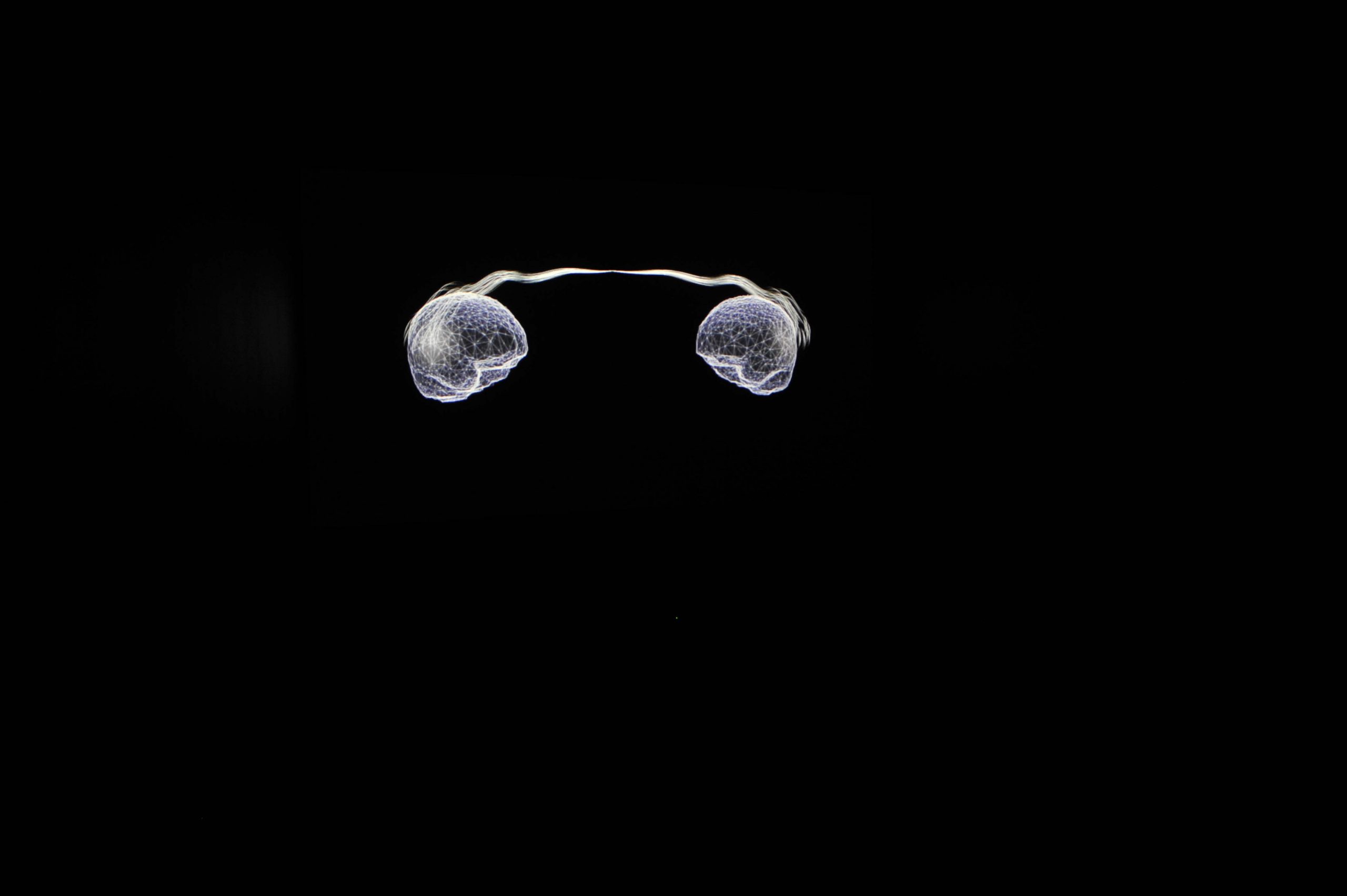
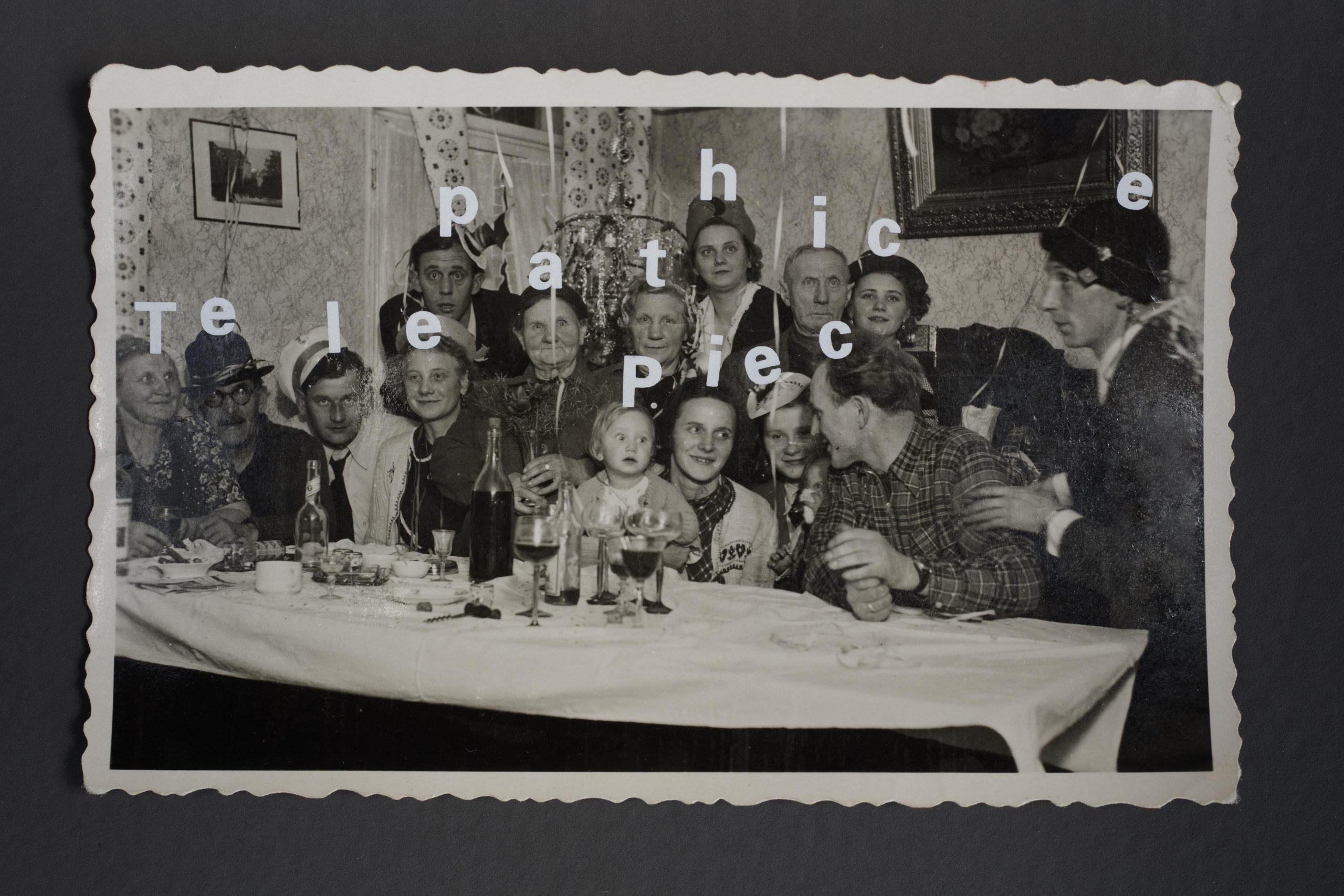
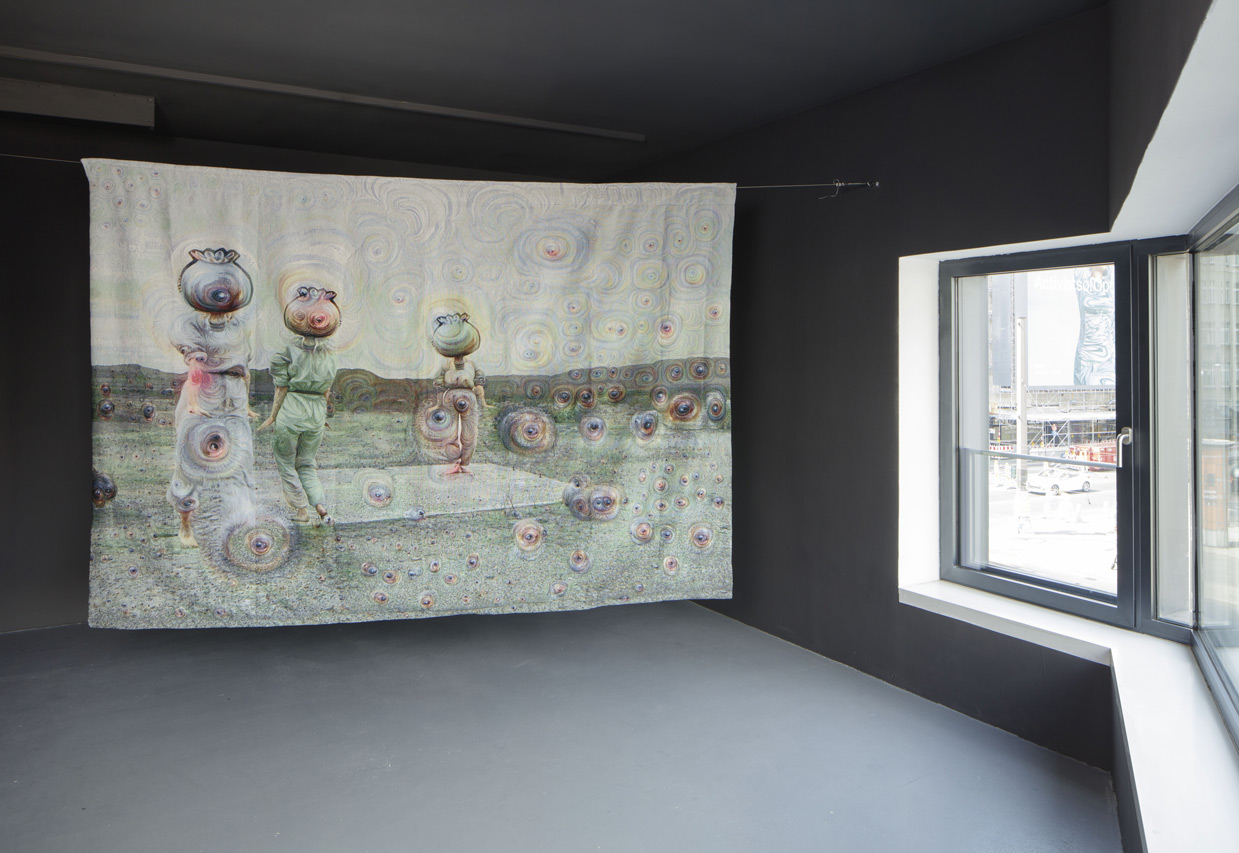
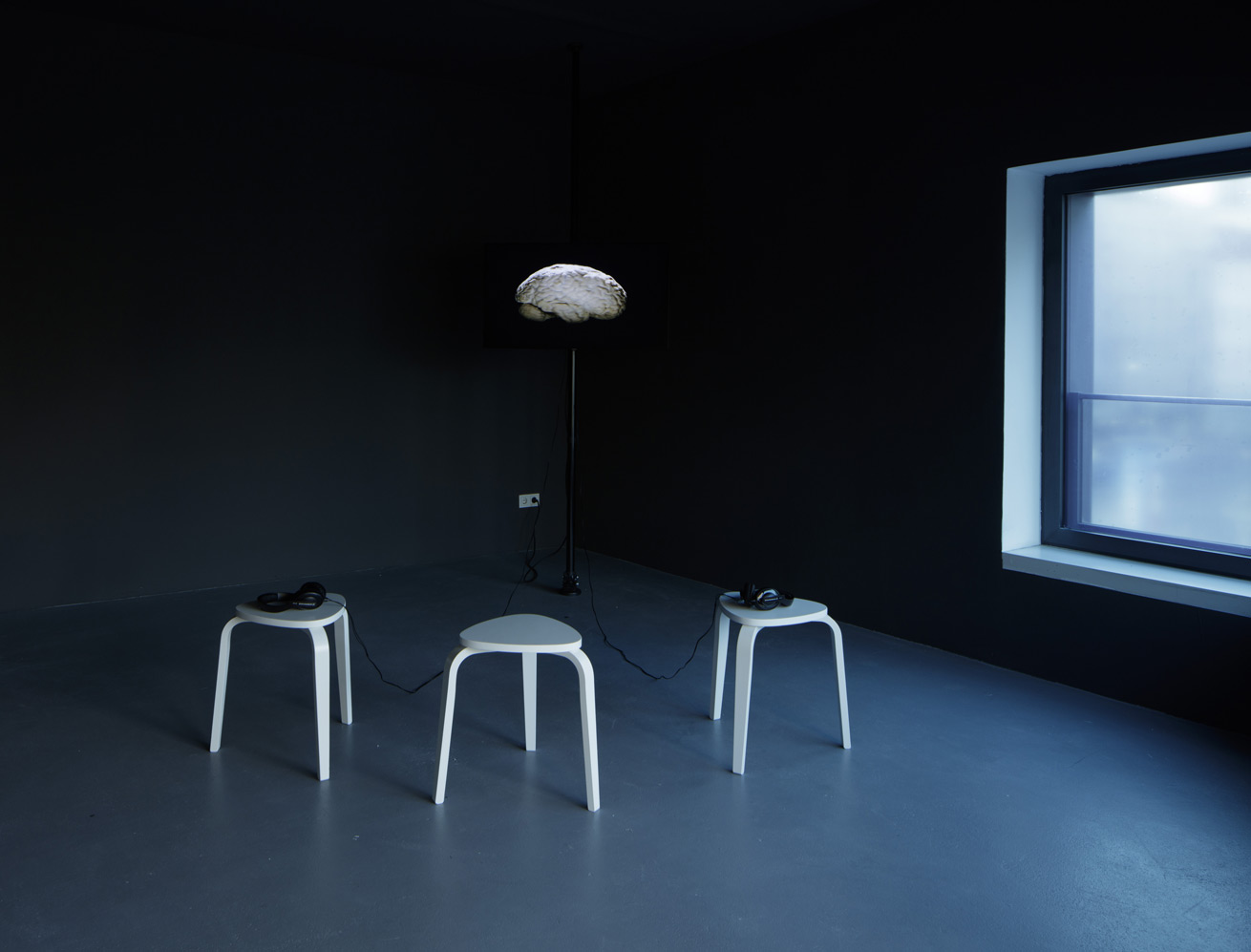
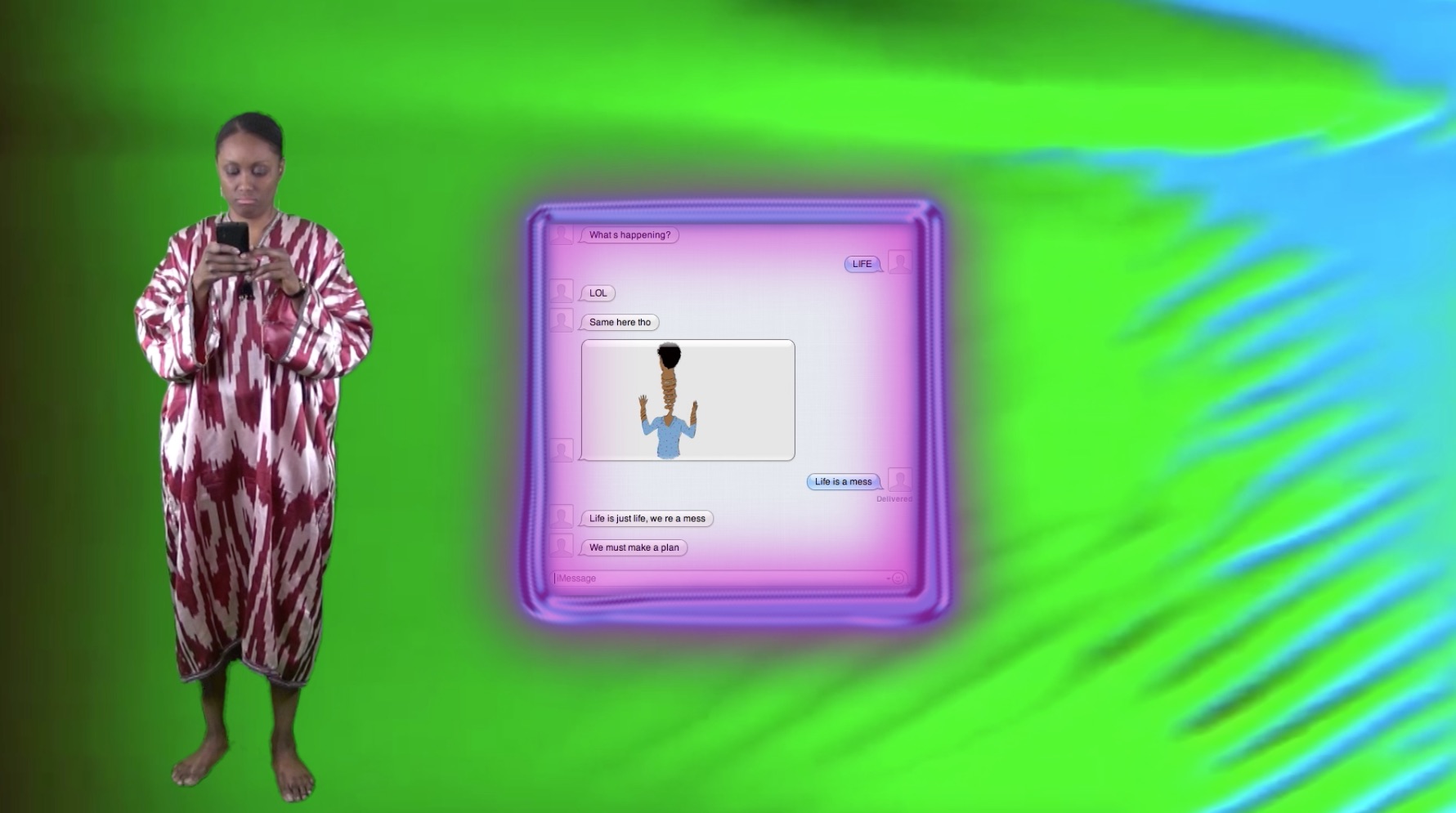
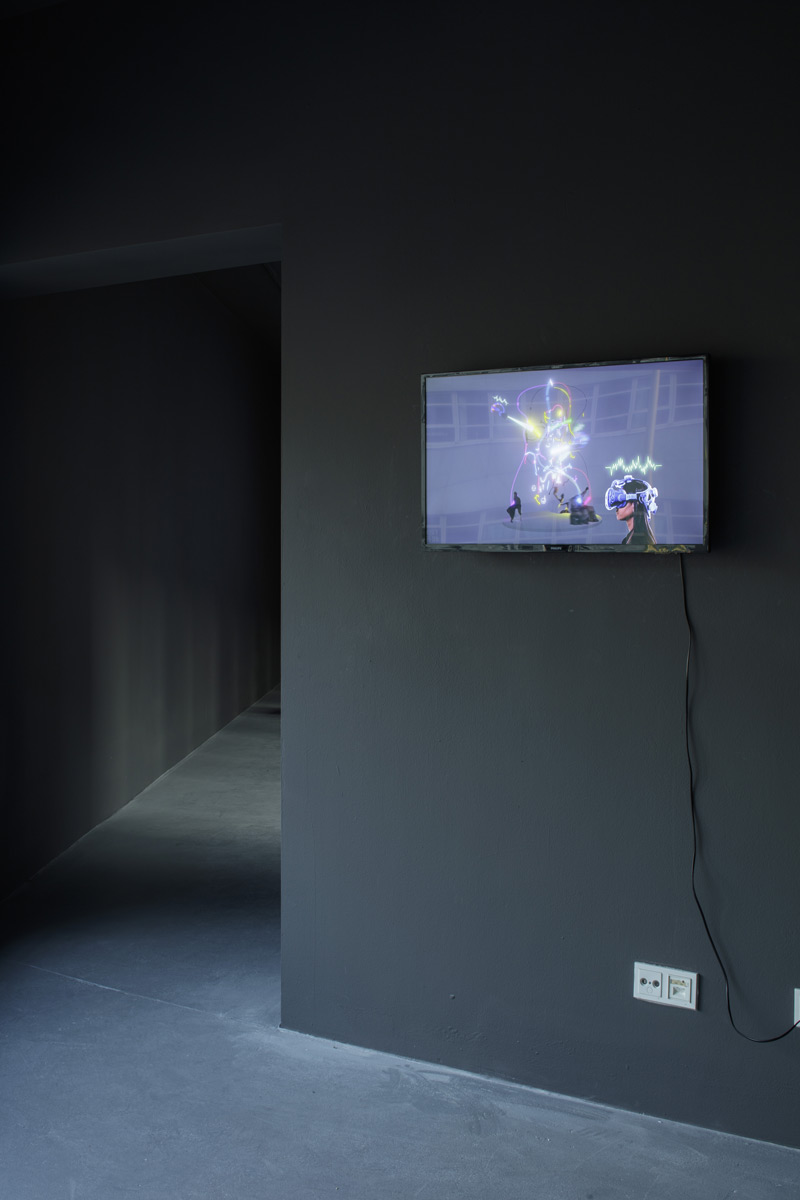
    Telepathie ist definiert als die Fähigkeit zu lesen, was im Kopf einer anderen Person vorgeht oder mit jemand anderem mental zu kommunizieren ohne Worte oder physische Signale zu benutzen. Es steht im Zusammenhang mit Begriffen wie Psychokinese, Sechster Sinn, Vorahnung, Weissagung, Telekinese und Teleästhesie. Eine Reihe von neuen ‚Technoceuticals‘, die technisch unterstütze Telepathie unterstützen, werden heutzutage schon verwendet, darunter invasive Neuroprothesen, Gehirn-Computer-Interfaces oder Neuronaler Staub.

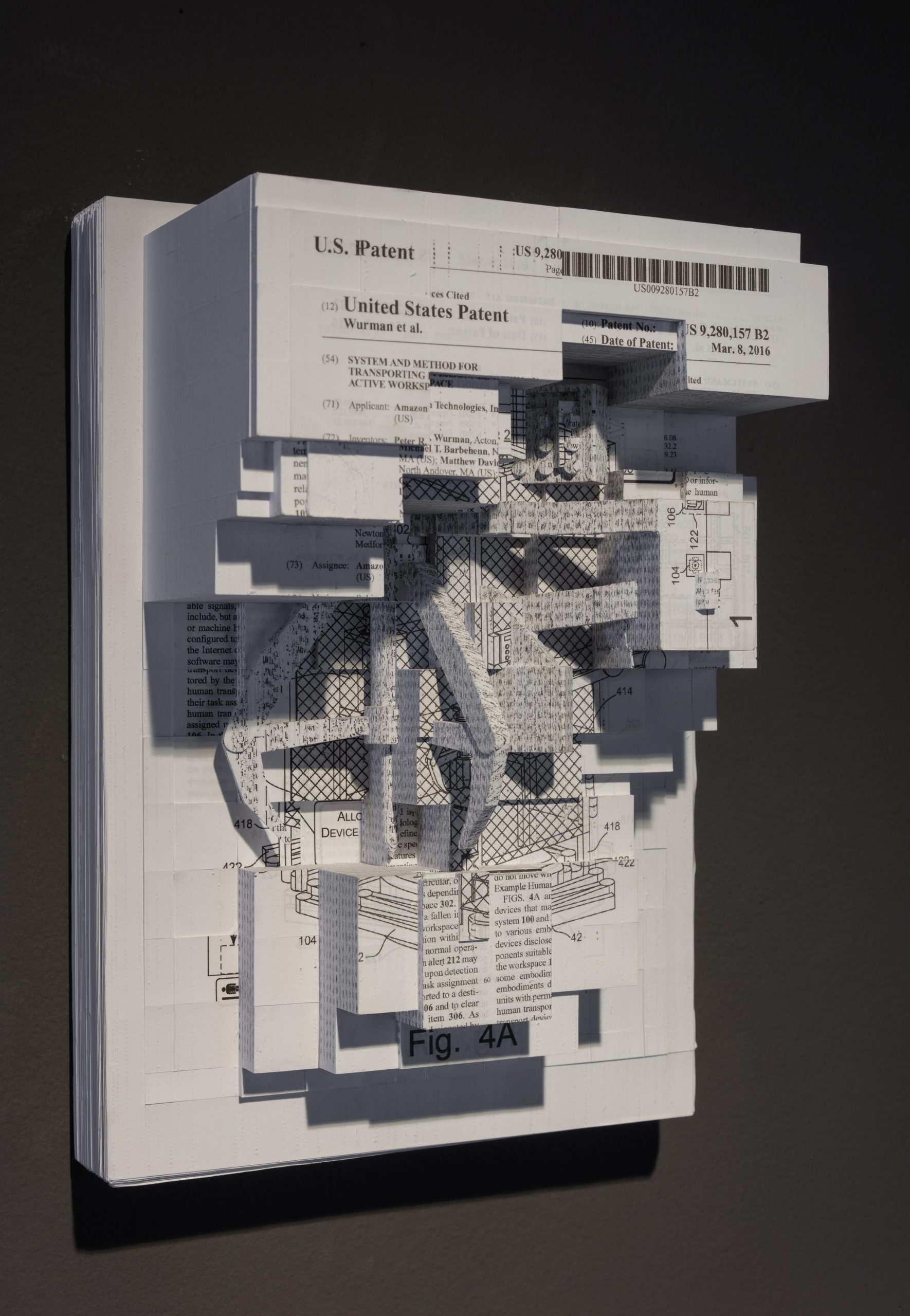
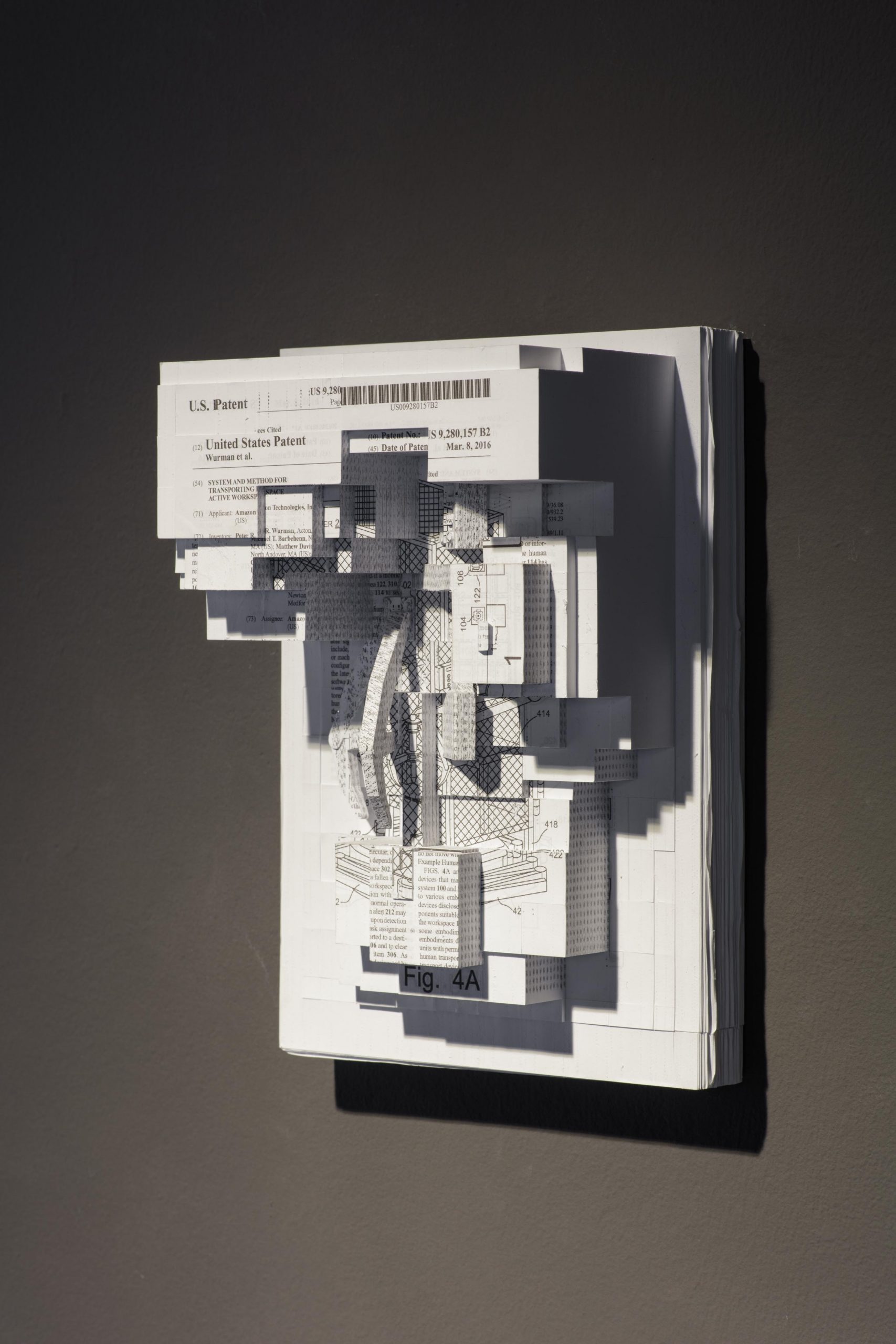
    Im Kognitiven Kapitalismus wurde die Fließbandarbeit des Proletariats durch kognitive Arbeit am und im ‚World Wide Web‘ ersetzt, wo auf Plattformen unaufhörlich Daten produziert werden. Normale Touchscreens und Tastaturen sind dabei eher langsame und ineffiziente Mittel zur Interaktion mit einem Computer. Elon Musk gründete deshalb ‚Neuralink‘ um das Problem zu überwinden, was er für das Haupthindernis der optimalen Menschen-Maschine-Verbindung hält: Bandbreite. Musk erhofft sich durch den Einsatz von Gehirn-Computern-Interfaces einvernehmliche Telepathie für jeden zu möglichen; nicht zuletzt, um die geistigen Kapazitäten im Arbeitsumfeld zu intensivieren. Diese Gehirn-basierten telepathischen und telemetrischen Technologien, die unsere Gehirnwellenmuster in für Analysen offene Datenströme umcodieren, öffnen ein Fenster zu unserem Bewusstsein. In Folge wird etwas Ähnliches wie das, was Shoshana Zuboff in ‚Überwachungskapitalismus‘ als ‘Big Other’ bezeichnet hat, zunehmende Bedeutung im Sinne von totaler Kontrolle und Subjektivierung erlangen.

    Künstlerische Ansätze, die alternative Anwendungen telepathischer Praktiken jenseits der Optimierung von Arbeitskraft erforschen, haben das Potential, uns aus diesen zukünftigen Albträumen heraus zu experimentieren – vorausgesetzt wir haben den Willen das möglich zu machen.


    20.8.21, 17-21 h, Finissage and launch of the exhibition catalogue in form of a newspaper with texts on the topic  and a documentation of the entire show.

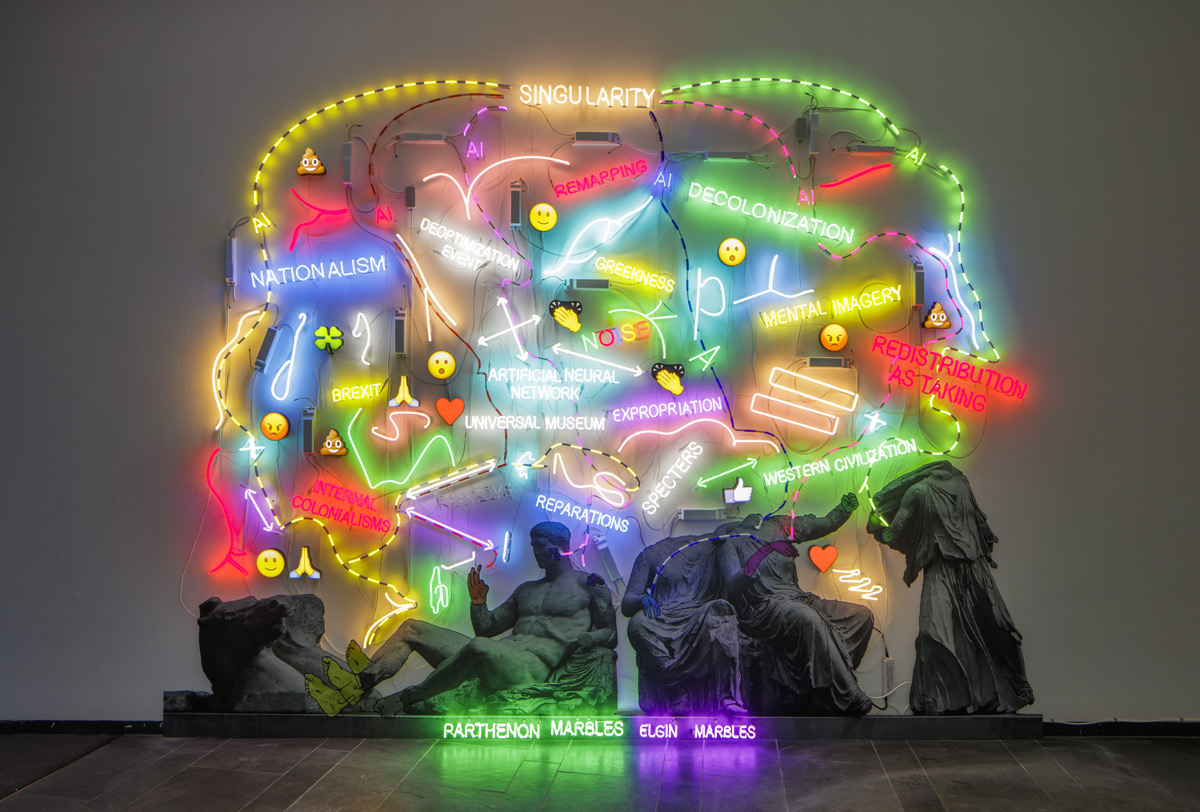
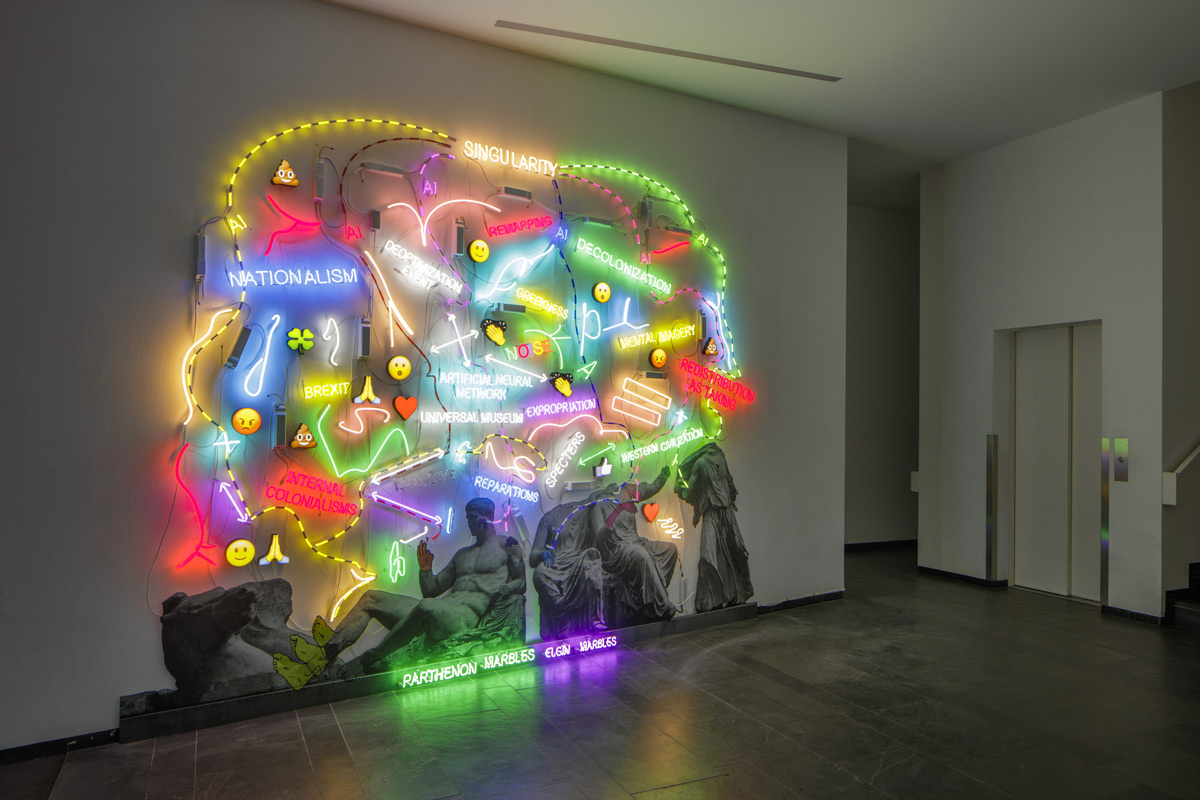
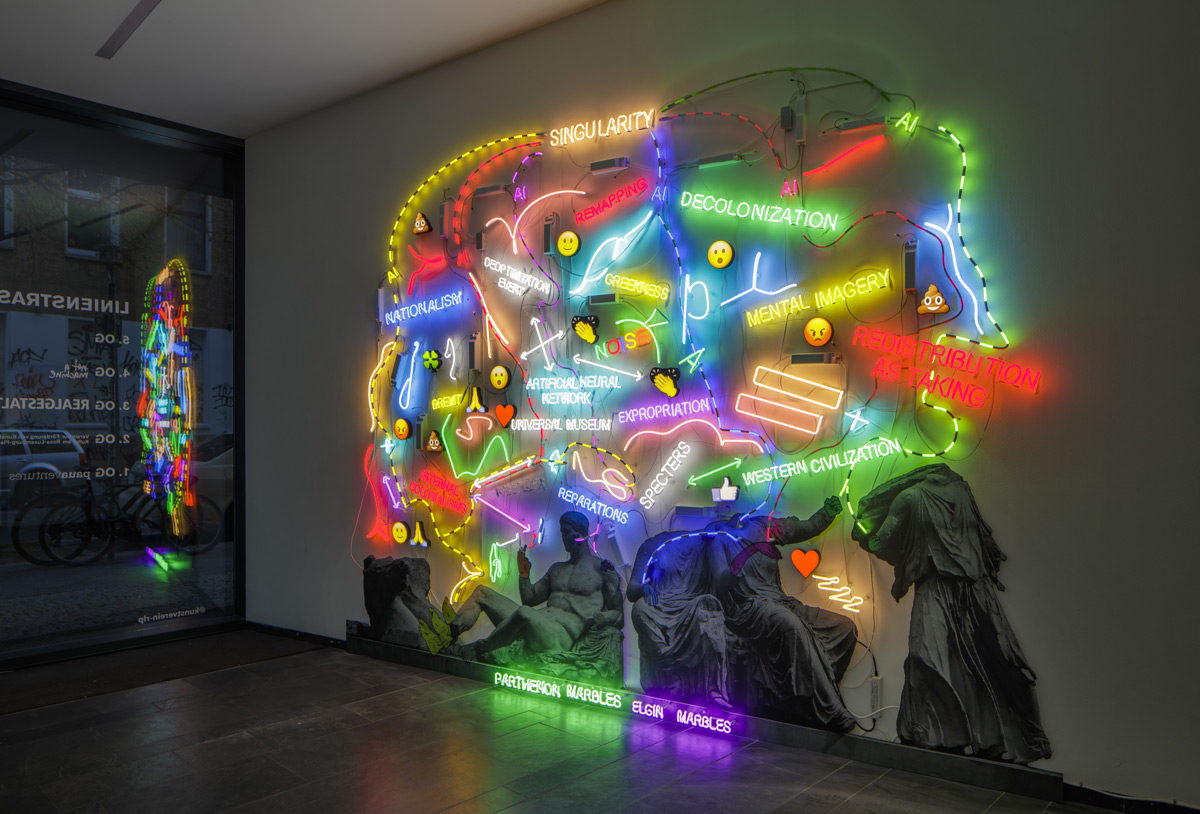
    31.7. and 4.8.21, 18-20h, performative lecture in the foyer: Warren Neidich, Performing the Parthenon Marbles Recoded

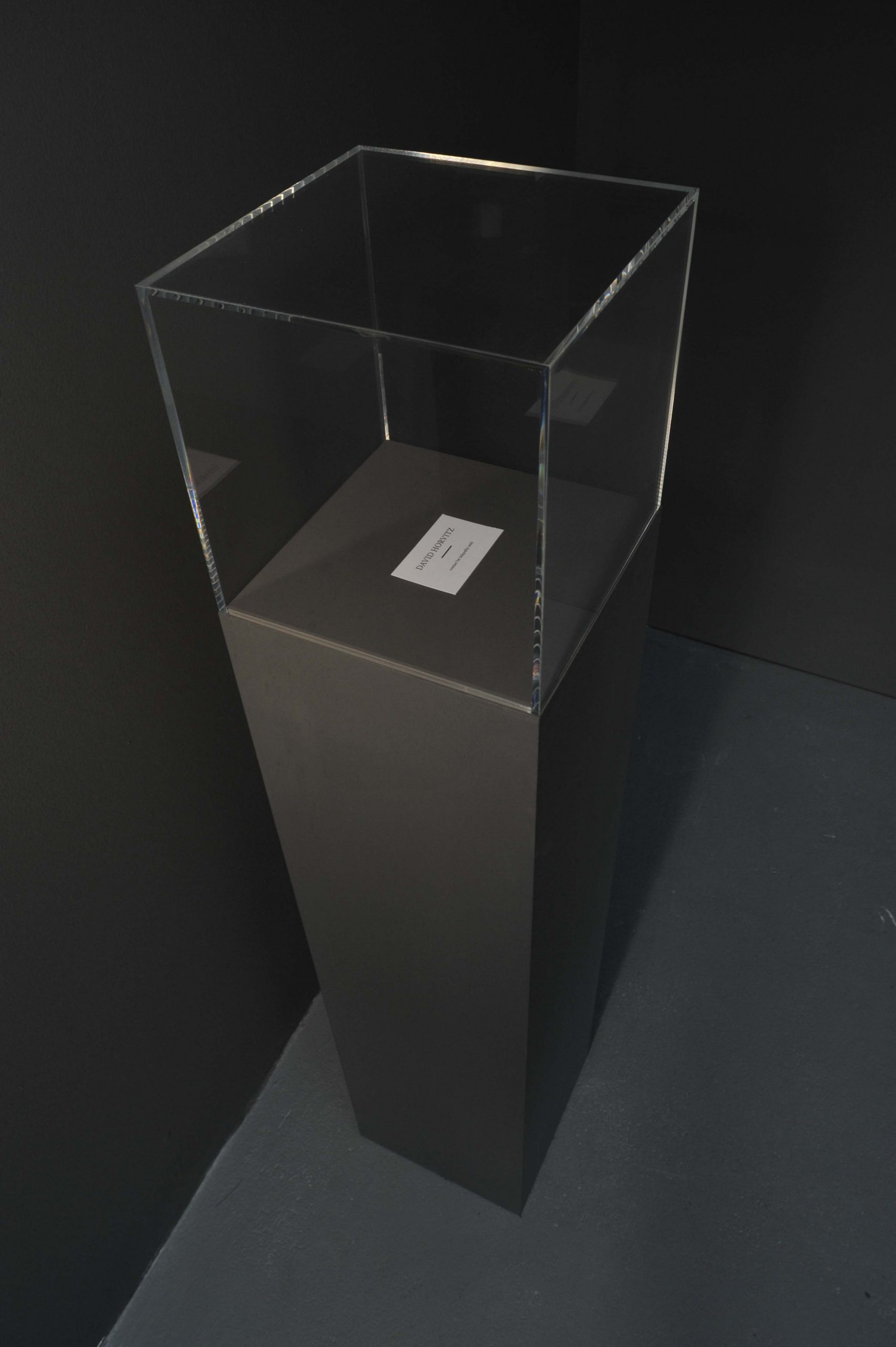
    with works by Kathryn Andrews, Simon Denny, Suzanne Dikker and Marina Abramović, Jacquelene Drinkall, David Horvitz, Agnieszka Kurant, Jonathan Monk, Gianni Motti, Lorenzo Sandoval, and Suzanne Treister.

    Telepathy is defined as the ability to know what is in someone else’s mind (or to communicate with someone mentally) without using words or physical signals. It is related to such notions as precognition, psychokinetics, sixth sense, premonition, augury, precognition, telekinesis, and telesthesia. A bevy of new technoceuticals that support technologically assisted telepathic capacity (such as brain–computer interfaces, cortical implants, bio neuro-headsets, and neural ‘smart’ dust) are already in use. Elon Musk created Neuralink to overcome what he considers to be the main obstacle to optimum human–machine interaction in communication: bandwidth. Touch screens and keyboards are slow and inefficient means to interact with a computer. However, “neural lace” and “neural dust” provides a much faster high-bandwidth interaction with which Musk hopes to make consensual telepathy possible for everyone by using brain-computer interfaces to intensify their mental capacities in the workplace. In cognitive capitalism, the proletariat working on the assembly line has been replaced by the cognitariat working on the World Wide Web using virtual platforms to create data. These new brain-based mediated telepathic and telemetrix technologies, which recode our brain wave patterns into data streams open for analysis and algorithmic jurisprudence, have opened a window into our unconscious. As such, what Shoshana Zuboff in Surveillance Capitalism has called the “Big Other” will take on added significance as a means of total control and subjectivization. Artistic practices engaged with telepathic practices by producing alternative uses beyond optimization in the workplace create the possibility to experiment ourselves out of this future nightmare—if we only have the will to think and act to make it possible.

    The project is supported by Haupstadtkulturfonds, and StediStiftung. The installation by Warren Neidich was made possible with funds from the Neustart program of the Stiftung Kunstfonds.


  • Activist Neuroaesthetics:
    Conference

    ´


    Activist Neuroaesthetics Conference

    The Verein zur Förderung von Kunst und Kultur am Rosa-Luxemburg-Platz in collaboration with artbrain.org

    July 8-11,2021 (via Zoom, free with registration below)

    https://activistneuroaesthetics.art/conference/

    The ACTIVIST NEUROAESTHETICS Conference includes a number of important thinkers to Activist Neuroaesthetics including Elena Agudio, Yann Moulier Boutang, Juli Carson, Yves Citton, Arne de Boever, Jacquelene Drinkall, Agnieszka Kurant, Karen Lofgren, Anna Munster, Reza Negarestani, Warren Neidich, Florencia Portocarrero, Tony David Sampson, and Anuradha Vikram. An introductory panel discussion with Franco “Bifo” Berardi, Cécile Malaspina, Warren Neidich, and Charles T. Wolfe will summarize the ACTIVIST NEUROAESTHETICS Symposium (videos now available) held March 5-6, 2021.


    For checking out recordings from the conference go to Film tab.


  • Activist Neuroaesthetics:
    Part 2: Sleep and Altered States of Consciouness


    In der Ausstellung gilt FFP2-Maskenpflicht.  Sie können sich vor Ort registrieren oder ihren Besuch unter visit@rosa-luxemburg-platz.net anmelden.

    Mehr unter: https://www.artforum.com/slant/erik-morse-on-neuroaesthetics-86123

    ACTIVIST NEUROAESTHETICS findet im Laufe des Jahres 2021 an wechselnden Orten rund um den Rosa-Luxemburg-Platz statt (weitere Informationen hier: https://activistneuroaesthetics.art/). Das Programm begann am 5. und 6. März mit einem Online-Symposion. Es wirft ein Schlaglicht auf künstlerische Forschung und Aktivismus im Bereich der Neuroästhetik, um der neoliberalen Vereinnahmung dieses Feldes entgegenzuwirken, wie sie derzeit in ganz Deutschland und auch in Berlin in vollem Gange ist. Die sogenannte ‚Positivistische Neuroästhetik‘ benutzt Forschung, um neoliberale Neuroökonomien voranzutreiben. In diesen geht es darum, kognitive Arbeit auf eine Weise zu optimieren, bei der Pharmazeutika wie Ritalin und Big Data ein unheilvolles Bündnis eingehen, um flexible, normierte Arbeitskräfte zu formen. ‚Aktivistische Neuroästhetik‘ hingegen nutzt die Geschichte der Kunstproduktion (ihre Räume und Zeitlichkeiten), um einen Gegen-Diskurs über Wahrnehmung und Kognition zu initiieren. Ihr geht es um die Ko-Evolution von Ereignissen innerhalb und außerhalb des Gehirns, und nicht zuletzt um die Erweiterung – nicht Normierung – unserer kognitiven Fähigkeiten.

    ACTIVIST NEUROAESTHETICS

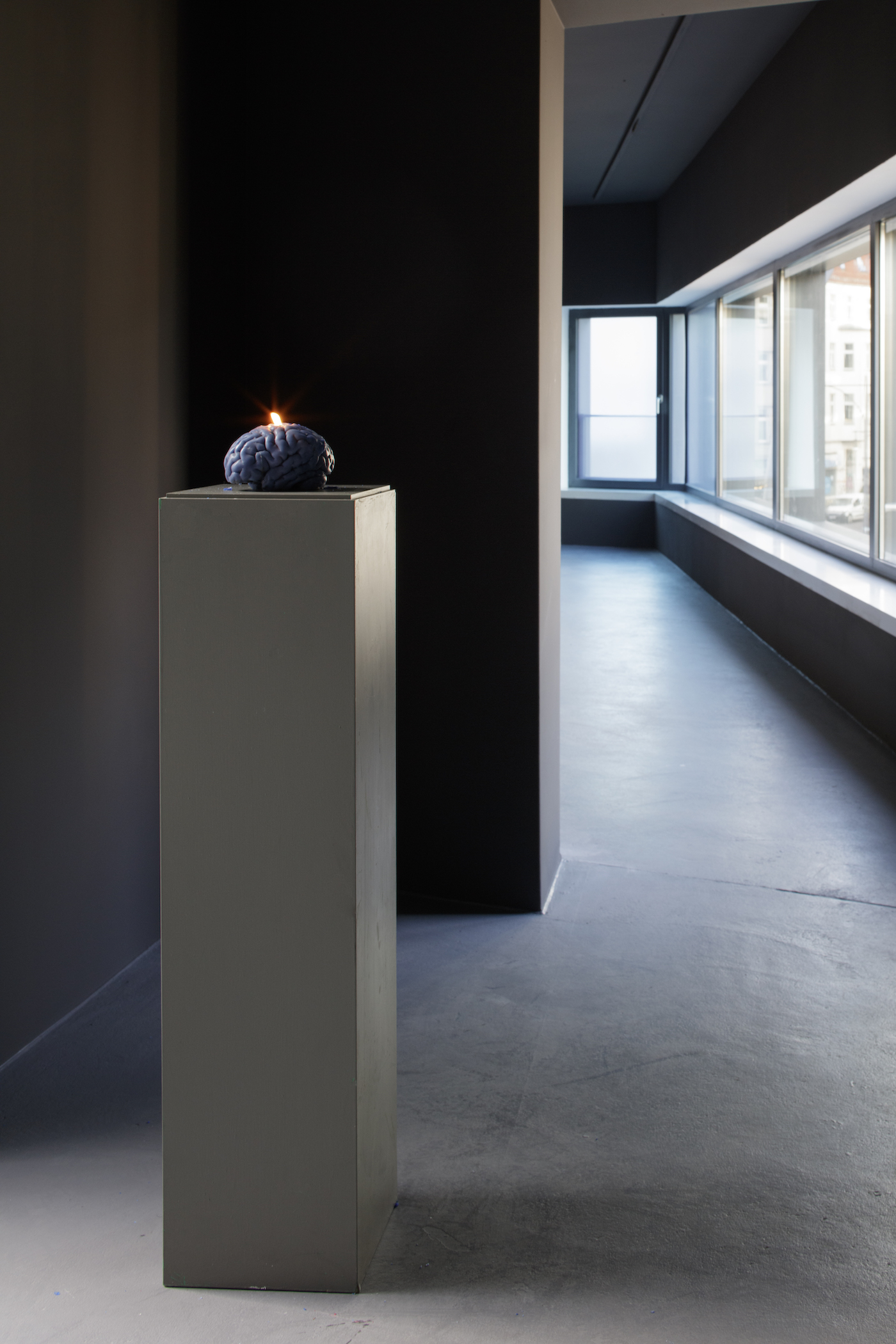
    Die Ausstellung ‚Activist Neuroaesthetics‘ gliedert sich in drei Teile: ‚Brain Without Organs‘, ‚Sleep and Altered States of Consciousness‘ und ‚Telepathy and New Labour‘. Die einzelnen Ausstellungen finden nacheinander vom 1. Mai bis zum 21. August 2021 in unseren Räumen statt. Sie spielen flexibel ineinander, so dass sich vielfältige Anknüpfungspunkte und Resonanzen entspinnen werden.


    Part 2: Sleep and Altered States of Consciousness
    kuratiert von Warren Neidich und Susanne Prinz

    mit Arbeiten von Elena Bajo, Katie Grinnan, Karen Lofgren, Tino Sehgal, Jeremy Shaw, Suzanne Treister, Rosemarie Trockel, Klaus Weber und Sakiko Yamaoka

    Sleep and Altered States of Consciousness ist der zweite von drei Akten in einer Ausstellungschoreographie, die Auswirkungen laufender technologischer Transformationen auf das menschliche Bewusstsein erforscht und seine verschiedenen sozialen und kulturellen Ausdrucksformen und Permutationen offenlegt.

    Es ist ein schmaler Grad, der das Schlaferlebnis von anderen veränderten Bewusstseinszuständen trennt, da sowohl der Schlaf als auch die Einnahme psychoaktiver Substanzen vorübergehende Veränderungen des normalen mentalen Zustands bewirken. Diese Nähe spielt auch in Andrej Tarkowskis Film Solaris (1972) eine Rolle, der die Auswirkungen von Massenschlaflosigkeit untersucht, die durch eine rund um die Uhr beleuchtete Umgebung verursacht wird und zum Zusammenbruch der kognitiven Kontrolle führt, die durch Halluzinationen und anhaltende Geistererscheinungen gekennzeichnet ist.

    Die Arbeiten in der Ausstellungen zeigen auf unterschiedliche Weise auf, wie sich Schlaf und alternative Bewusstseinszustände hartnäckig Prozessen der Subjektivierung und Verwertung entziehen und lange Zeit nicht kontrollierbare Rückzugsort vor den Zwängen des Spätkapitalismus blieben.

    Teil 3: Telepathy and New Labour, 24.Juli – 21.August 2021

    FFP2-masks are required in the exhibition. To visit you can register on site or here : visit@rosa-luxemburg-platz.net 

    ACTIVIST NEUROAESTHETICS takes place at various venues on Rosa-Luxemburg-Platz over the course of 2021 (for further information click here: https://activistneuroaesthetics.art/ ). The program kicked-off with an online symposion on March 5th and 6th. Through this programming we aim to re-center artist-led activity in neuroaesthetics in order to counter the neoliberal tendencies in the field that are currently prominent throughout Germany, including Berlin. In what is referred to as a Positivist Neuroaesthetics approach, research feeds back into and reinforces neoliberal neural-based economies aimed at optimizing cognitive labor where pharmaceuticals like Ritalin are combined with Big Data to create a flexible, normalized workforce. Activist Neuroaesthetics uses its own history of art production, spaces, and temporalities to produce an alternative discourse concerning perception and cognition where events going on inside and outside the brain coevolve together – and our cognitive abilities are expanded, rather than normalized.

    ACTIVIST NEUROAESTHETICS

    The exhibition ‚Activist Neuroaesthetics‘ is divided into three parts: ‚Brain Without Organs‘, ‚Sleep and Altered States of Consciousness‘ and ‚Telepathy and New Labour‘.  The individual exhibitions will take place in our space from May 1st to August 8th, 2021.  Their designation is not hard-edged but fuzzy. One can imagine multiple links and confluences that bind them together.

    Part 2: Sleep and Altered States of Consciousness
    curated by Warren Neidich and Susanne Prinz

    with works by Elena Bajo, Katie Grinnan, Karen Lofgren, Tino Sehgal, Jeremy Shaw, Suzanne Treister, Rosemarie Trockel, Klaus Weber und Sakiko Yamaoka

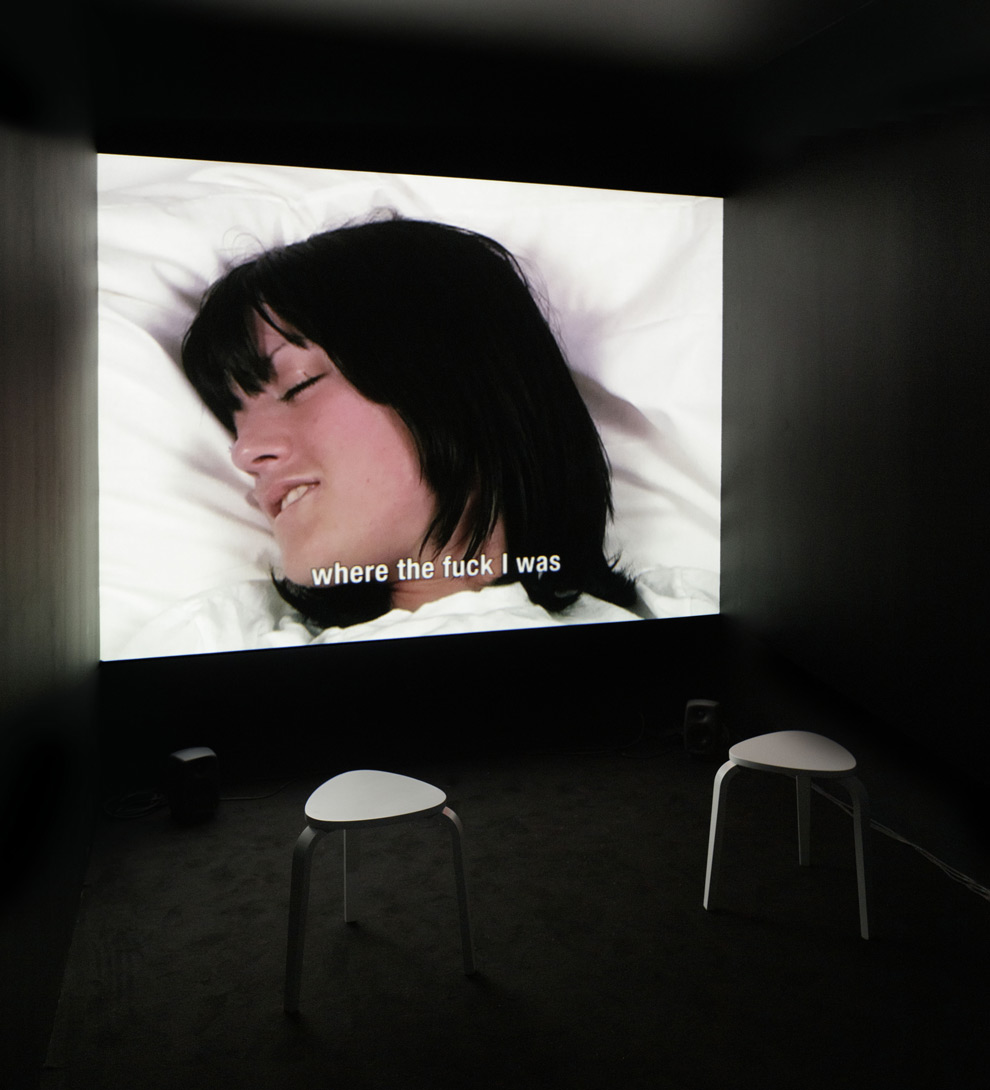
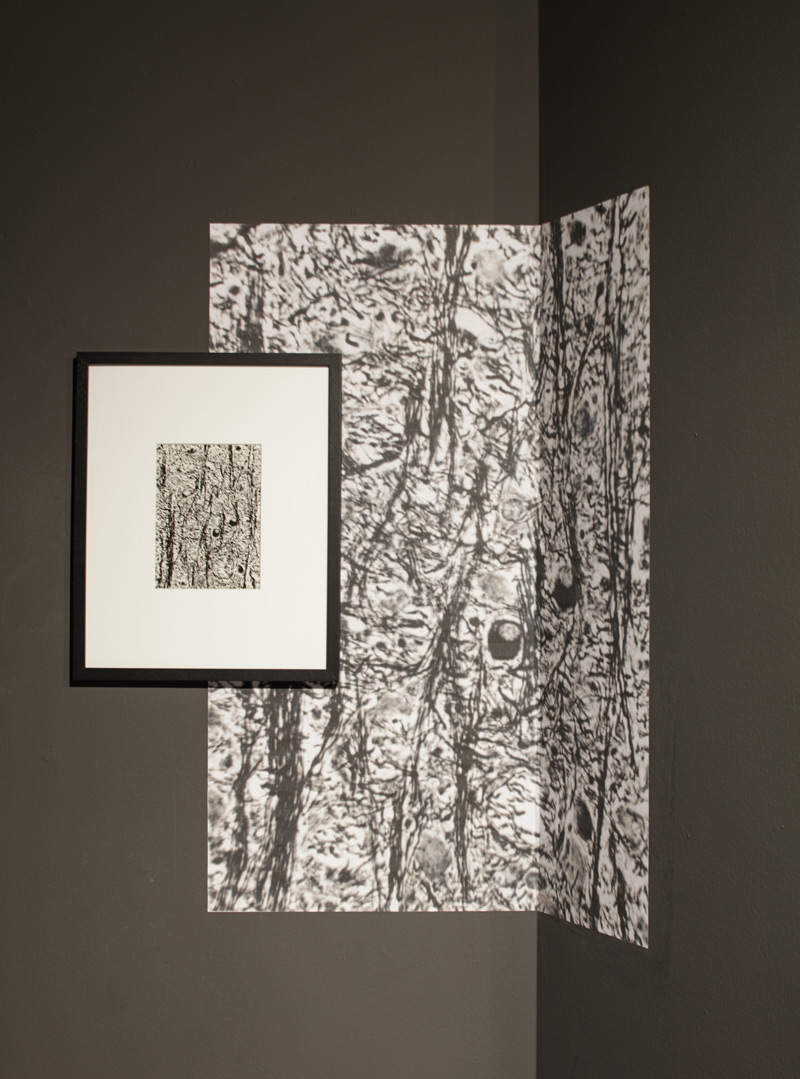
    Sleep and Altered States of Consciousness is the second of three acts in an exhibition-play that unpacks and explores the effects that new technological transformations might have on human consciousness and its various social and cultural expressions and permutations. There is a thin veil that separates the experience of sleep from altered state of consciousness as both sleep and the ingestion of psychoactive substances induce temporary changes in one’s normal mental state. This adjacency is expressed in Andrei Tarkovsky’s film Solaris (1972) which explores the effects of mass insomnia caused by a 24/7 lit environment that leads to a breakdown of cognitive control characterized by hallucinations and the experience of ghosts. This exhibition also understands how sleep and alternative states of consciousness remain stubbornly aloof from processes of subjectification and commodification defining, as it does, the edge of the next neoliberal frontier. As Jonathan Crary has described in 24/7: Late Capitalism and the Ends of Sleep (2013), “sleep poses the idea of a human need and interval of time that cannot be colonized and harnessed to a massive engine of profitability.” Psychoactive drugs take this one step further by expanding experience and consciousness, and, as a result, produce new and sublime forms beyond capitalism’s grasp.

    In cognitive capitalism, the brain and mind are the new factories of the 21st century and the neural commons is under assault. One of its key conditions is the amplification of already existing 24/7 markets and their global infrastructure for continuous work and consumption, especially its relation to data production and collection. Through new processes of reification, human beings become linked to these new technological processes of depersonalization and self-administration. For instance, billions of dollars are being spent to research various means to reduce decision-making time and to create virtual environments that engage attention more intensely, as well as to reduce the lost time of useless reflection, all in the name of increasing cognitive surplus labor. This externalization and commoditization, which is the essence of what Shoshana Zuboff calls the Big Other, needs to be understood as the next step on the horizon in a procession towards the commodification of sleep and other alternate states, as well as the coming advancement of a broad range of telepathic techniques of which brain-computer interface technology is just one example.

    As we saw in the first part of this Activist Neuroaesthetics exhibition, the brain without organs is one apparatus at odds with this future conundrum, and the brain’s neural variation and it’s neural plasticity form its toolbox. Foundational for this exhibition is the role of psychedelic drugs, especially ayahuasca, in estranging and retro-engineering the organization of a sculpted and politicized semiotic brain. In cognitive capitalism, the attention economy is essential to the production of valorization and its neurobiological analogue salience. As such, ayahuasca’s newly found popularity might offer a reprieve from the subjugating effects of advanced data surveillance and normalization that depend upon coherent, consistent and patterned interactions with the world wide web and its machinic algorithmic intelligence. Might this system be put in jeopardy by the effects of drugs that alter perception, produce hallucinations and drive the mind back into self-reflective contemplation? Ayahuasca’s effect upon divergent thinking and enhanced mindfulness-related capacities are cases in point that affect our free choices and the production of a future full of chance encounters. Sleep and Altered States of Consciousness reopens the future that has been denigrated in cognitive capitalism.

    Suzanne Treister, Technoshamanic Systems, New Cosmological Models for Survival:  http://www.suzannetreister.net/TechnoShamanicSystems/TSS/TSS_M.html


    Part 3: Telepathy and New Labour, July 24th – August 21st 2021

    The project is supported by Haupstadtkulturfonds, and StediStiftung. The installation by Warren Neidich was made possible with funds from the Neustart program of the Stiftung Kunstfonds.


  • Activist Neuroaesthetics:
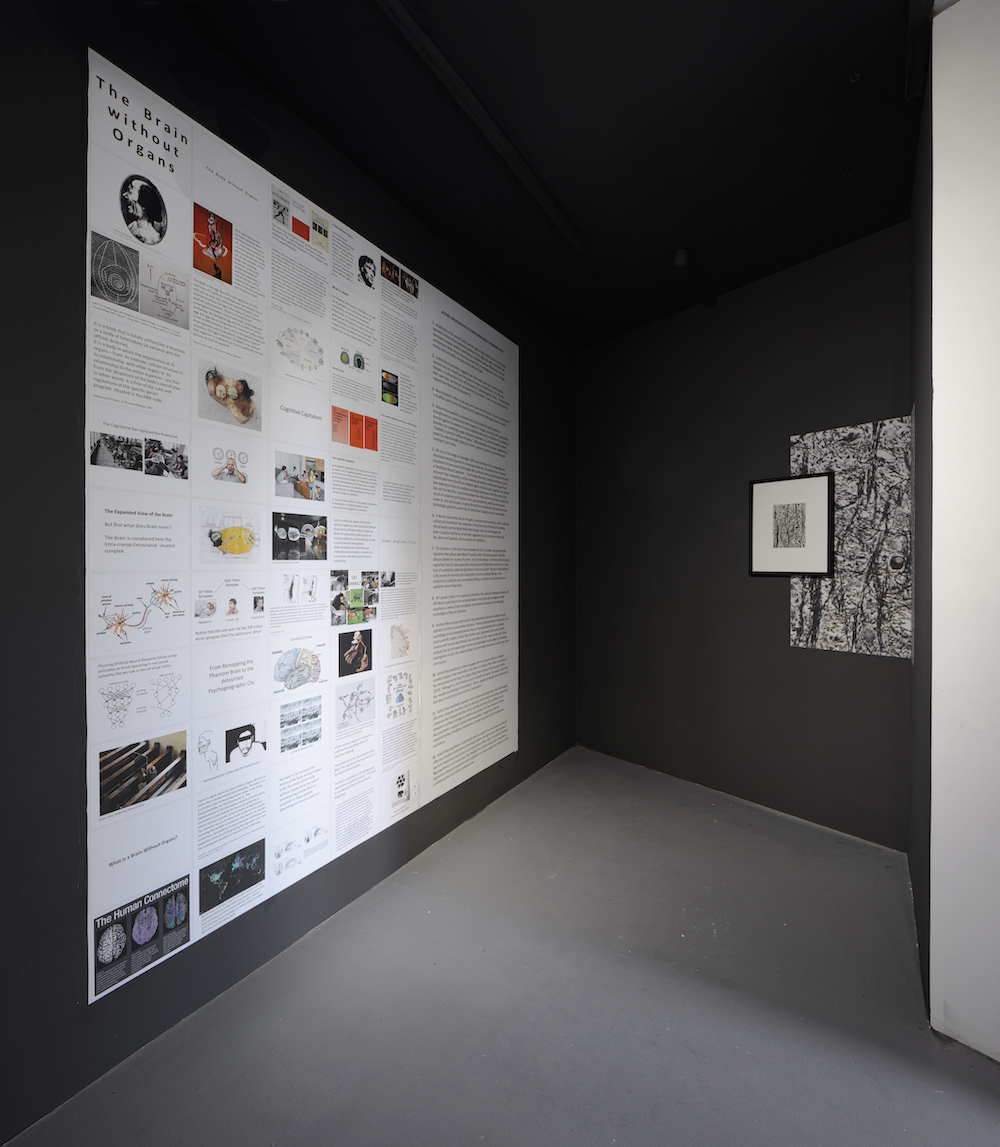
    Part 1: Brain without Organs


    Wir freuen uns ab 19.5.21 wieder geöffnet zu haben. Bitte melden Sie ihre Besuch unter visit@rosa-luxemburg-platz.net an und kommen Sie getestet. In der Ausstellung gilt FFP2-Maskenpflicht. Kinder bis 6 Jahre benötigen keine Maske und keinen Test. Wir verwenden die App LUCA, alternativ bitte (aus)gedruckte Kontakdaten mitbringen.

    We look forward to reopening on May 19th, 2021. To visit please register here: visit@rosa-luxemburg-platz.net and come tested. FFP2-masks are required in the exhibition. Children up to 6 years of age do not need a mask or a test. Wie use the app LUCA; alternatively, please bring printed contact details with you.


    ACTIVIST NEUROAESTHETICS findet im Laufe des Jahres 2021 an wechselnden Orten rund um den Rosa-Luxemburg-Platz statt (weitere Informationen hier: https://activistneuroaesthetics.art/). Das Programm begann am 5. und 6. März mit einem Online-Symposion. Es wirft ein Schlaglicht auf künstlerische Forschung und Aktivismus im Bereich der Neuroästhetik, um der neoliberalen Vereinnahmung dieses Feldes entgegenzuwirken, wie sie derzeit in ganz Deutschland und auch in Berlin in vollem Gange ist. Die sogenannte ‚Positivistische Neuroästhetik‘ benutzt Forschung, um neoliberale Neuroökonomien voranzutreiben. In diesen geht es darum, kognitive Arbeit auf eine Weise zu optimieren, bei der Pharmazeutika wie Ritalin und Big Data ein unheilvolles Bündnis eingehen, um flexible, normierte Arbeitskräfte zu formen. ‚Aktivistische Neuroästhetik‘ hingegen nutzt die Geschichte der Kunstproduktion (ihre Räume und Zeitlichkeiten), um einen Gegen-Diskurs über Wahrnehmung und Kognition zu initiieren. Ihr geht es um die Ko-Evolution von Ereignissen innerhalb und außerhalb des Gehirns, und nicht zuletzt um die Erweiterung – nicht Normierung – unserer kognitiven Fähigkeiten.

    ACTIVIST NEUROAESTHETICS

    Die Ausstellung ‚Activist Neuroaesthetics‘ gliedert sich in drei Teile: ‚Brain Without Organs‘, ‚Sleep and Altered States of Consciousness‘ und ‚Telepathy and New Labour‘. Die einzelnen Ausstellungen finden nacheinander vom 1. Mai bis zum 21. August 2021 in unseren Räumen statt. Sie spielen flexibel ineinander, so dass sich vielfältige Anknüpfungspunkte und Resonanzen entspinnen werden.


    Part 1: Brain without Organs
    kuratiert von Warren Neidich und Susanne Prinz

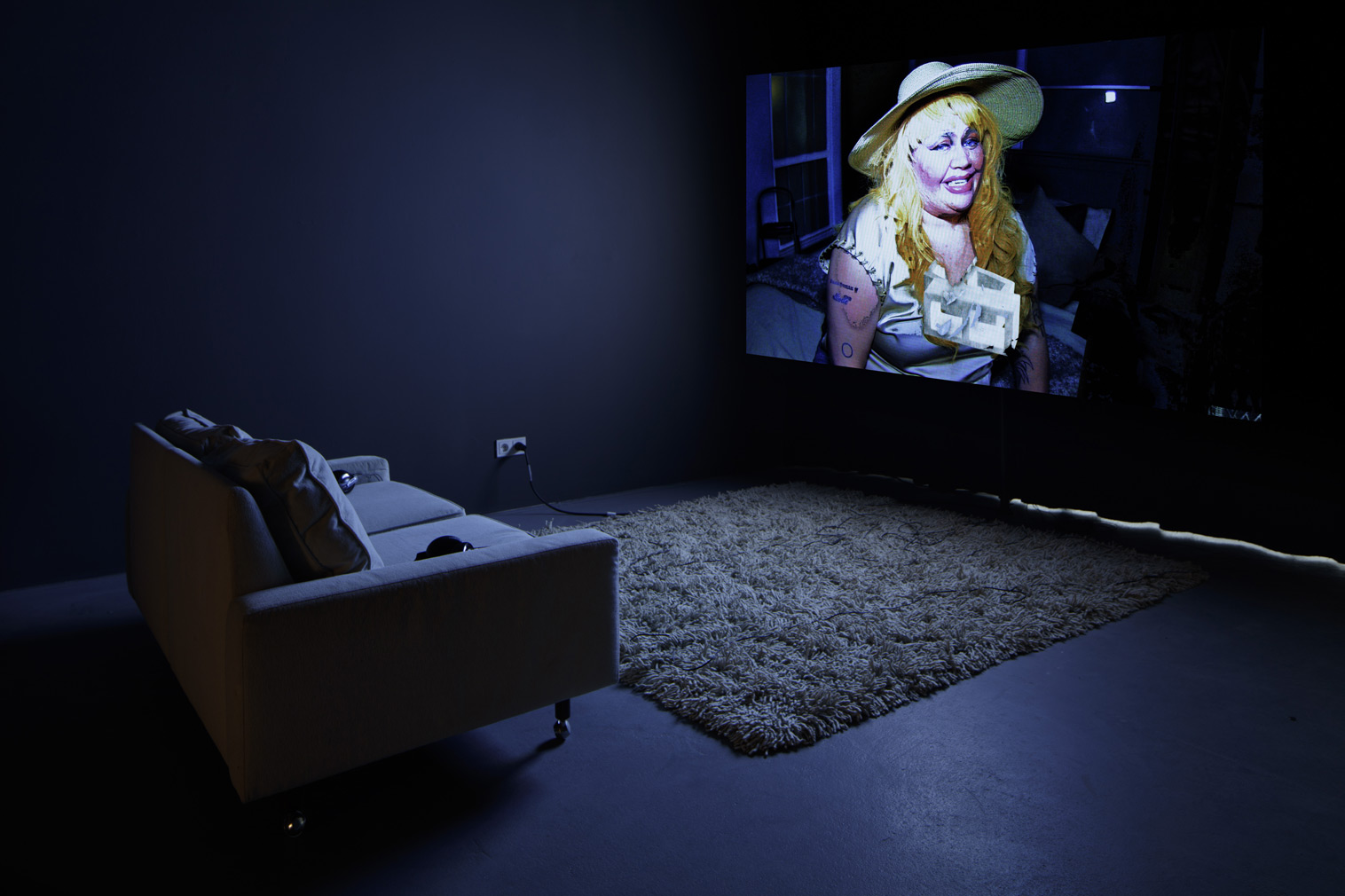
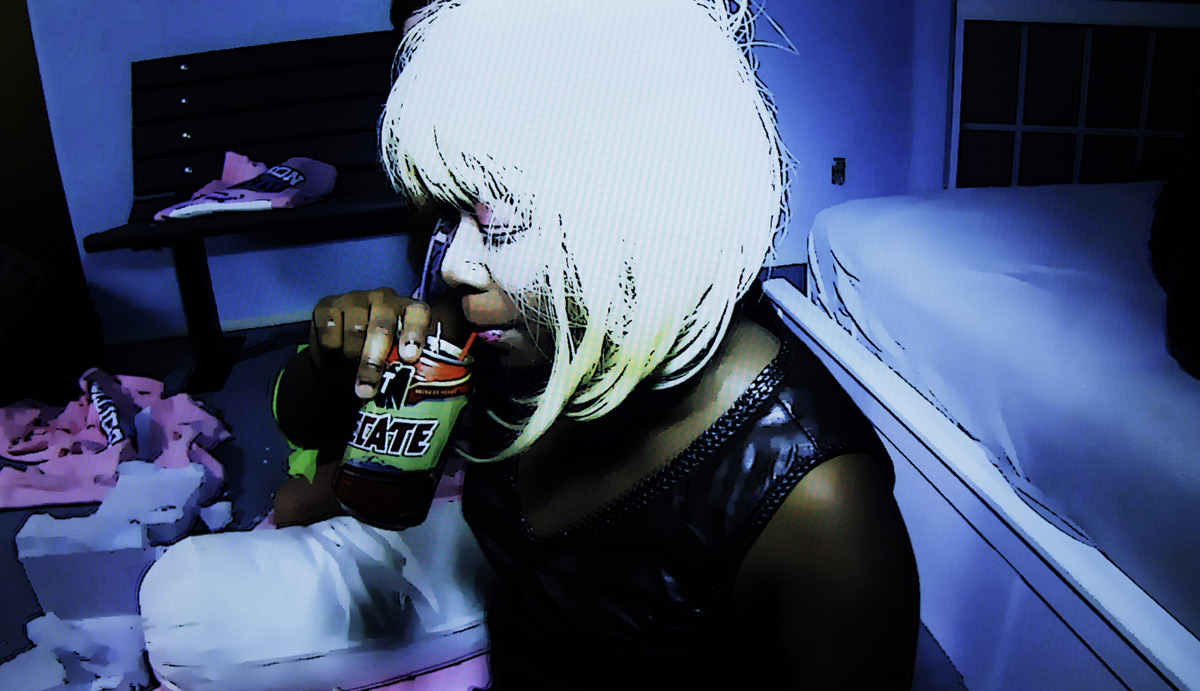
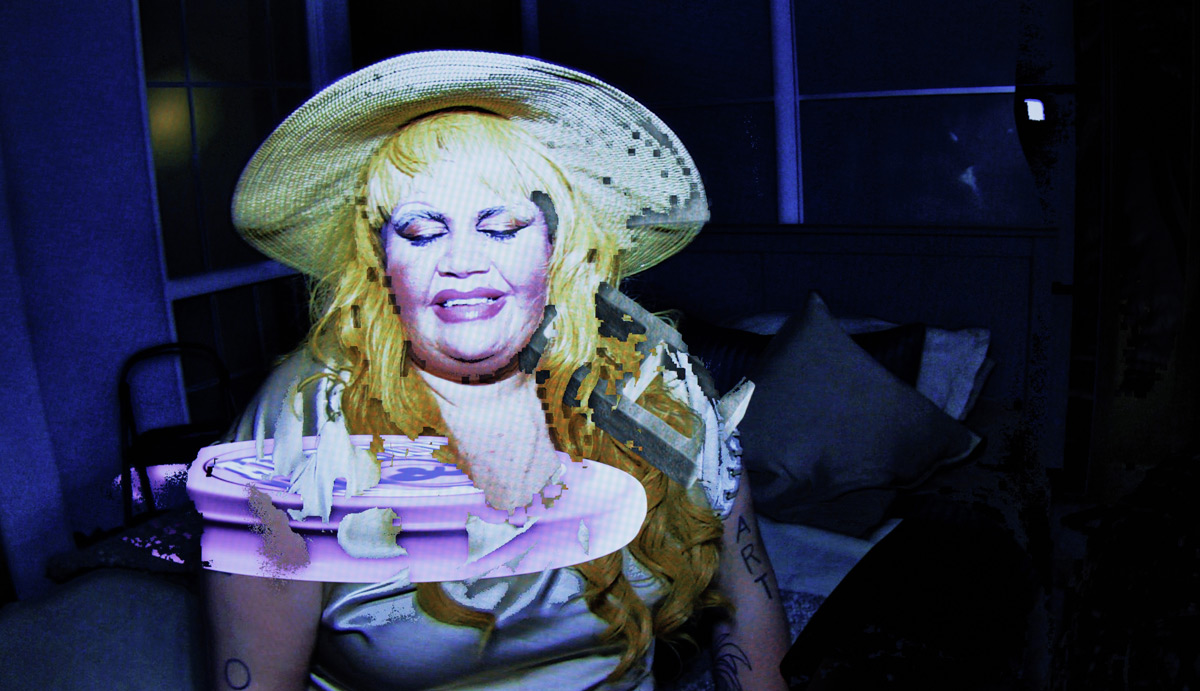
    mit Arbeiten von John Armelder, Douglas Gordon, Dafna Maimon, Warren Neidich, Jeremy Shaw, Ryan Trecartin & Lizzie Fitch, Tabita Rezaire, Alfred Ehrhardt

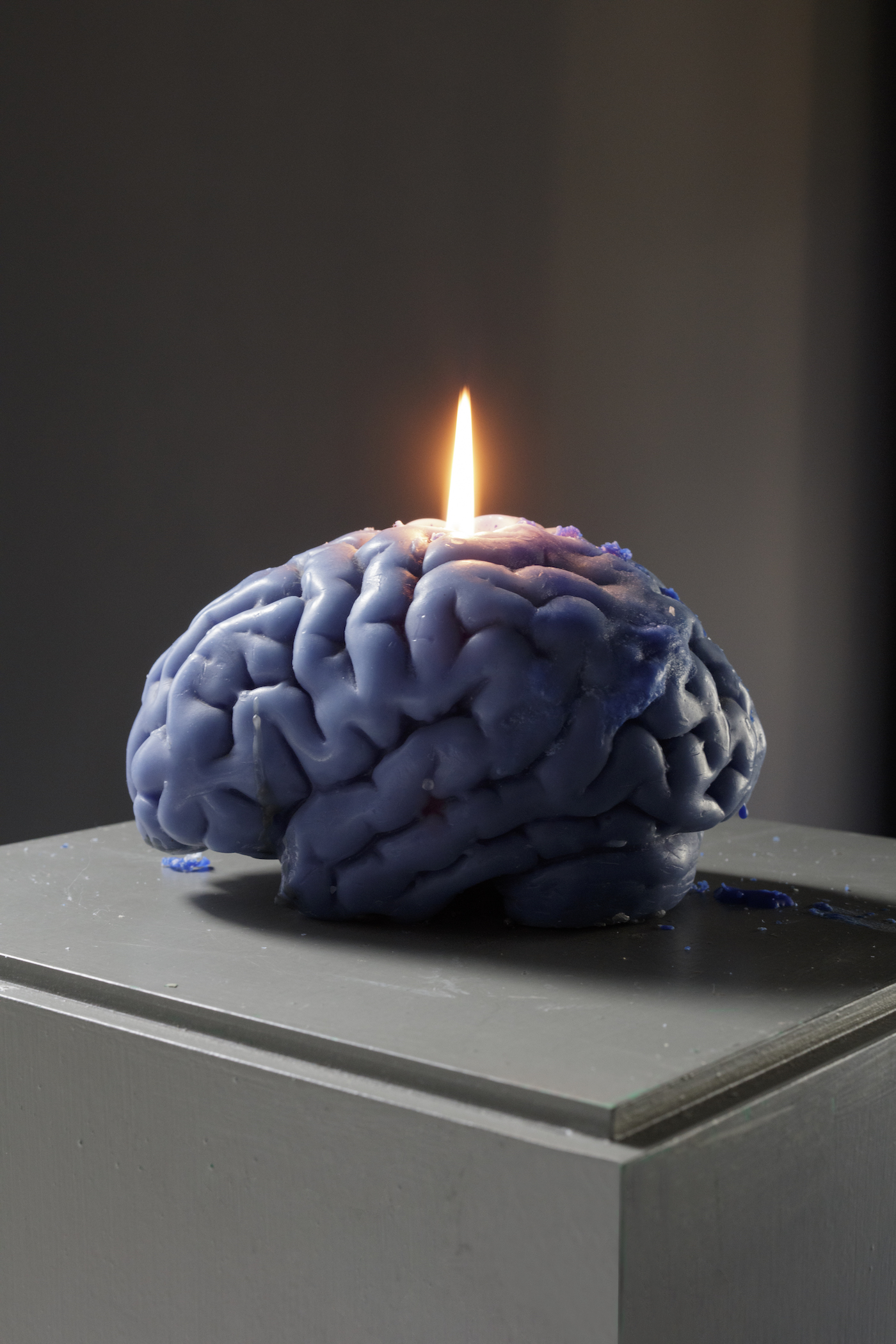
    Brain Without Organs (BrWO) geht auf das Vorläuferkonzept des ‚organlosen Körpers‘ zurück (Body Without Organs – BWO), wie es zuerst von Antonin Artaud eingeführt und später von Gilles Deleuze und Felix Guittari in Anti-Ödipus (1972) und Tausend Plateaus (1980) aufgegriffen und weitergeführt wurde. Es beschreibt einen Körper, der völlig unfixiert ist (wie ein Teratom oder ein heterodoxer Körper) und von der offiziellen Doktrin abweicht. In diesem Körper ist die Organisation der Organe – von ihrer Zellstruktur, über die Beziehungen zwischen den einzelnen Organen, bis hin zum Organismus als Ganzem – emanzipiert von der Tyrannei eines körperlichen Gesamtplans. Mit anderen Worten: Der organlose Körper entzieht sich der Regulierung durch das a priori installierte Programm des DNA-Codes; darüber hinaus entkommt er den Überwachungsmechanismen seiner soziokulturellen Kontexte. War der Body Without Organs einst ein wirksames Instrument gegen die repressiven Einflüsse des Fordismus und Postfordismus, so hat ihn der kognitive Kapitalismus, in dem das Gehirn und der Verstand die neuen Fabriken des 21. Jahrhunderts sind, heute unschädlich gemacht. Überträgt man aber die Idee des Body Without Organs auf das Gehirn, dann fehlt es einem Brain Without Organs nicht an Modulen, Knotenpunkten oder überprüfbaren Erkenntnissen. Gemäß dieses Modells, das die Organe neu organisiert, wird das Brain Without Organs selbst zu einem unbestimmten Organ, dessen Potential nun vor Allem in neuraler Plastizität liegt. Das Gehirn besteht in diesem Modell aus drei interagierenden, verschränkten und ko-evolvierenden Systemen: 1. Dem intrakraniellen, materiellen Gehirn, das sich im Inneren des Schädels befindet und aus grauer und weißer Materie besteht. 2. Dem situierten und mobilen Körper, der sich mittels Sensibilität bewegt und interagiert. 3. Dem extrakranialen Gehirn, das aus der Welt der Dinge besteht, aber auch aus soziokulturellen und technologischen Beziehungen und deren ideologisch-diskursiven Entsprechungen, die sich ihrerseits ständig weiterentwickeln. Dieses intra-extrakranielle Brain Without Organs reicht einerseits bis zum Anfang des Universums zurück und bezieht auch tierisches und pflanzliches Bewusstsein mit ein. Andererseits unterliegt es den tiefgreifenden Einflüssen von Machine Learning und Künstlicher Intelligenz – und einer ungewisse Zukunft sich ständig erweiternder Möglichkeiten. In diesem Sinne stehen die Advokat*innen des Brain Without Organs heute für das ein, was man ‚das posthumanistische, postkoloniale, xenofeministische und afro-futuristische Versprechen‘ nennen könnte.

    Teil 2: Sleep and Alteed States of Consciousness, 19.Juni -17.Juli 2021

    Teil 3: Telepathy and New Labour, 24.Juli – 21.August 2021

    * We ask for your understanding that the opening times may not be adhered to due to the Infection Protection Act. Please always come to us with an FFP2 mask and tested. We use the app luca.

    ACTIVIST NEUROAESTHETICS takes place at various venues on Rosa-Luxemburg-Platz over the course of 2021 (for further information click here: https://activistneuroaesthetics.art/ ). The program kicked-off with an online symposion on March 5th and 6th. Through this programming we aim to re-center artist-led activity in neuroaesthetics in order to counter the neoliberal tendencies in the field that are currently prominent throughout Germany, including Berlin. In what is referred to as a Positivist Neuroaesthetics approach, research feeds back into and reinforces neoliberal neural-based economies aimed at optimizing cognitive labor where pharmaceuticals like Ritalin are combined with Big Data to create a flexible, normalized workforce. Activist Neuroaesthetics uses its own history of art production, spaces, and temporalities to produce an alternative discourse concerning perception and cognition where events going on inside and outside the brain coevolve together – and our cognitive abilities are expanded, rather than normalized.

    ACTIVIST NEUROAESTHETICS

    The exhibition ‚Activist Neuroaesthetics‘ is divided into three parts: ‚Brain Without Organs‘, ‚Sleep and Altered States of Consciousness‘ and ‚Telepathy and New Labour‘.  The individual exhibitions will take place in our space from May 1st to August 8th, 2021.  Their designation is not hard-edged but fuzzy. One can imagine multiple links and confluences that bind them together.

    Part 1: Brain without Organs
    curated by Warren Neidich and Susanne Prinz

    with works by John Armleder, Douglas Gordon, Dafna Maimon, Warren Neidich, Jeremy Shaw, Ryan Trecartin & Lizzie Fitch, Tabita Rezaire, Alfred Ehrhardt

    The brain without organs (BrWO) derives its name from the earlier concept of the body without organs (BWO) as it was first defined by Antonin Artaud and later expanded upon by Gilles Deleuze and Felix Guattari in Anti-Oedipus (1972) and A Thousand Plateaus (1980). It describes a body that is totally unfixed (like a teratoma or heterodox body) at variance with official doctrine. In this body, the organization of organs—from their cellular structure to their relationship with other organs and the organism as a whole—is free from the despotism of the body’s overall plan. In other words, it is free from the rules and regulations of the a priori program situated in the DNA code and the surveillance mechanisms operating in the socio-cultural context in which it is situated. Superimposing this idea of the body without organs onto the brain, one could say that a brain without organs does not lack modules, hubs, and verifiable cognits—it simply lacks the organism. The brain, as defined here, is composed of three interacting, entangled and coevolving systems: 1. The intracranial material brain located inside the skull composed of gray and white matter. 2. The situated and mobile body moving through and interacting with sensibility. 3. The extracranial brain composed of the world of objects, things, as well as, socio-cultural and technological relations and their ideological-discursive counterparts. Today, this intra-extracranial brain without organs might be considered post-colonial, post-humanist and post-capitalist.

    Part 2: Sleep and Alteed States of Consciousness, June 19th – Juli  17th 2021

    Part 3: Telepathy and New Labour, July 24th – August 21st 2021

    The project is supported by Haupstadtkulturfonds and StediStiftung. The installation by Warren Neidich was made possible with funds from the Neustart program of the Stiftung Kunstfonds.


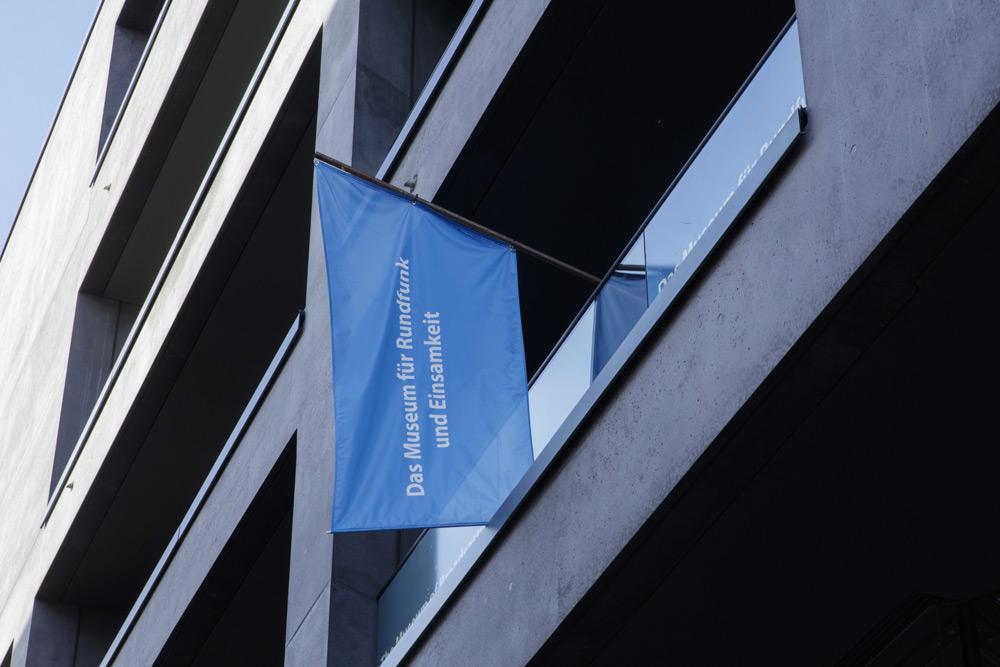
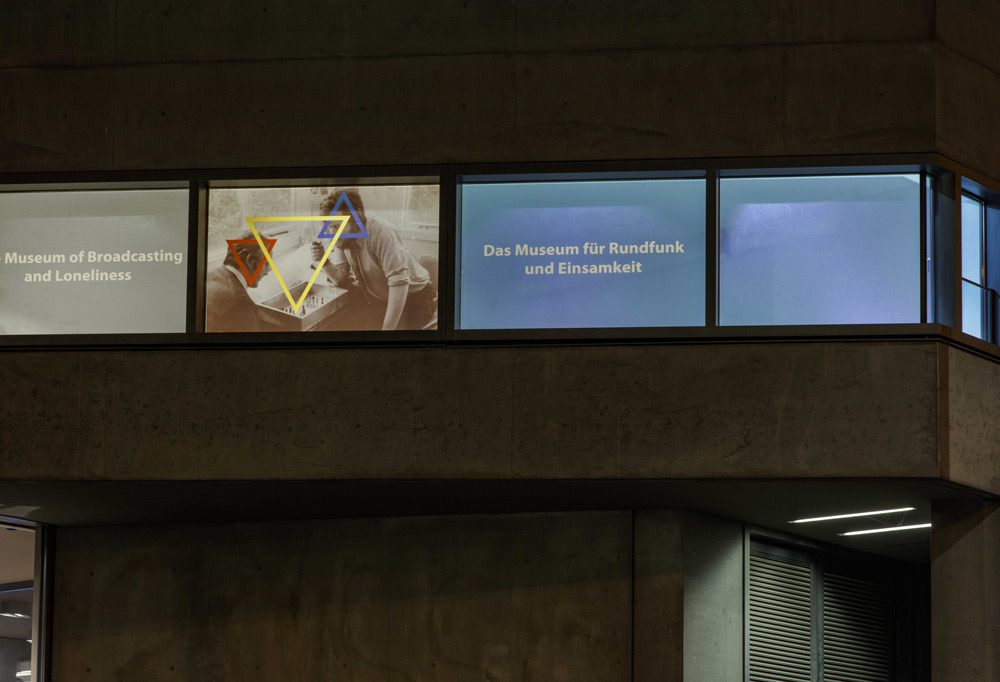
  • Declan Clarke, Das Museum für Rundfunk und Einsamkeit / The Museum of Broadcasting and Loneliness

    Declan Clarke, Das Museum für Rundfunk und Einsamkeit / The Museum of Broadcasting and Loneliness

    Broadcast 8: The Last Broadcast

    Broadcast 7: A Faltering Transmission

    Broadcast 6: The Domestication of Listening

    Broadcast 5: The Undulating Waves That Overwhelm Us

    Broadcast 4: Attempting to Survive Our Time

    Broadcast 3: The Museum of the Air

    Broadcast 2: From Harbour to Heart´s Content

    Broadcast 1: The End of Loneliness

    Die Installation wird täglich ab 16h beleuchtet und ist frei zugänglich.
    Das Museum muss leider weiterhin geschlossen bleiben. Darum wird während der Laufzeit der Ausstellung eine Reihe von Kurzfilmen veröffentlicht, mit denen wir jeweils Freitags auf Sendung gehen. Die vom Künstler im Wochenrythmus neu produzierten Filme vermitteln jeweils unterschiedliche Inhalte und Themen aus dem Museum für Rundfunk und Einsamkeit. 

    Das derzeit geschlossenen Museum für Rundfunk und Einsamkeit führt mit seinem Programm ein in die Geschichte der elektronischen Kommunikation. Das Projekt kehrt dafür zu den Anfängen der elektronischen Massenkommunikation zurück und erzählt eine vielschichtige, komplexe Geschichte von Transition und Transmission, von überraschenden Zusammenhängen und gewissen historischen Parallelen zwischen einem geteilten Irland und einem gleichermaßen getrennten Deutschland. Das Projekt versteht sich als Prequel zur geplanten Ausstellung im nächsten Jahr. Bleiben Sie dran!

    Declan Clarke *1974 Dublin, lebt und arbeitet in Berlin

    The installation is illuminated every day from 4pm. It is freely accessible.
    Unhappily the museum has to stay closed. A series of short films will be released throughout the duration of the exhibition, each new ‚broadcast‘ arriving every Friday on this website. The films newly produced by the artist every week will relate to the content and convey the thematics of The Museum of Broadcasting and Loneliness.
    The currently closed Museum for Broadcasting and Loneliness introduces the history of electronic communication with its program.  The project returns to the beginnings of electronic mass communication and tells a multi-layered, complex story of transition and transmission, of surprising connections and certain historical parallels between a divided Ireland and an equally separated Germany. The project sees itself as a prequel to the exhibition planned for next year. Stay tuned!                            

    Declan Clarke *1974 Dublin, lives and works in Berlin


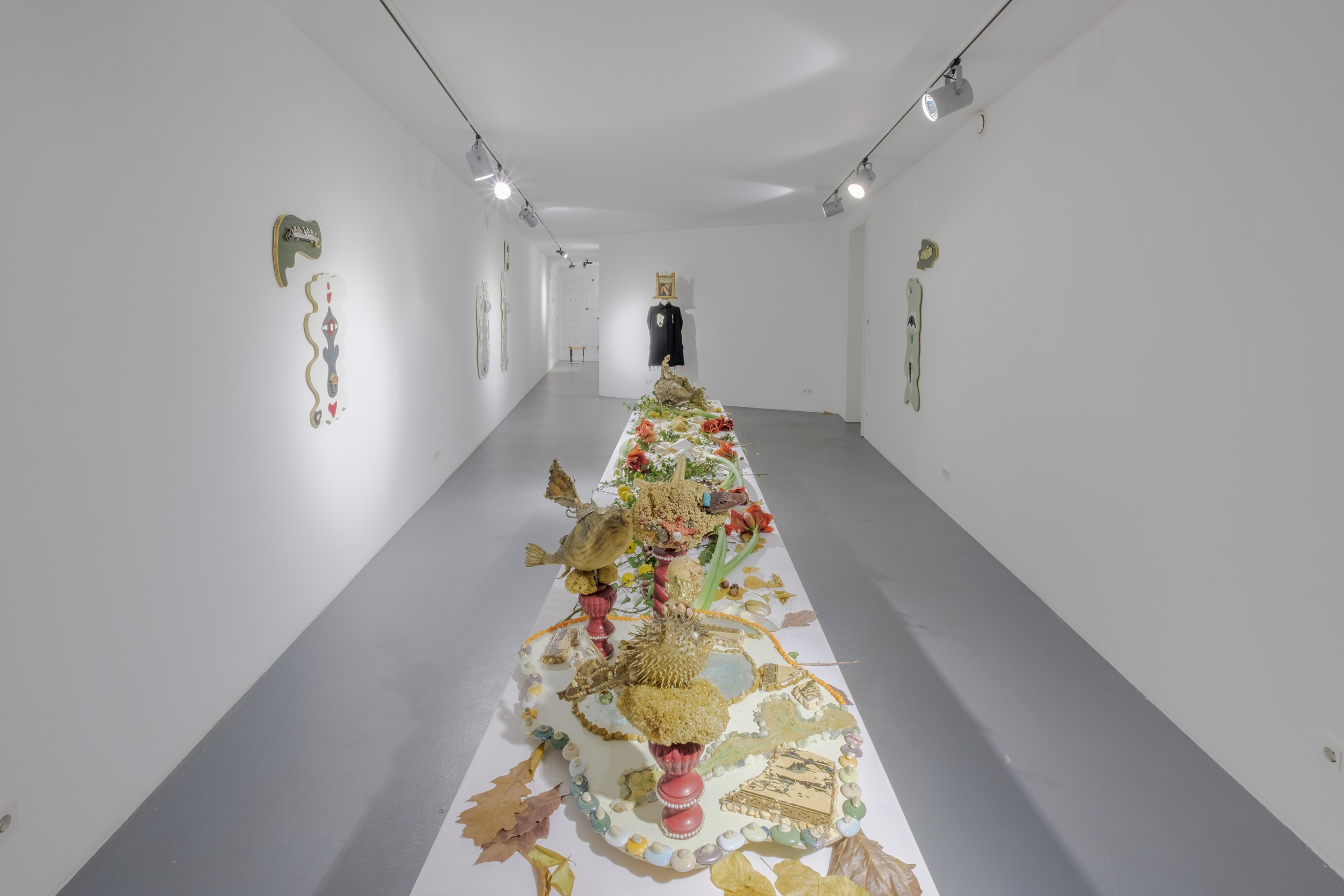
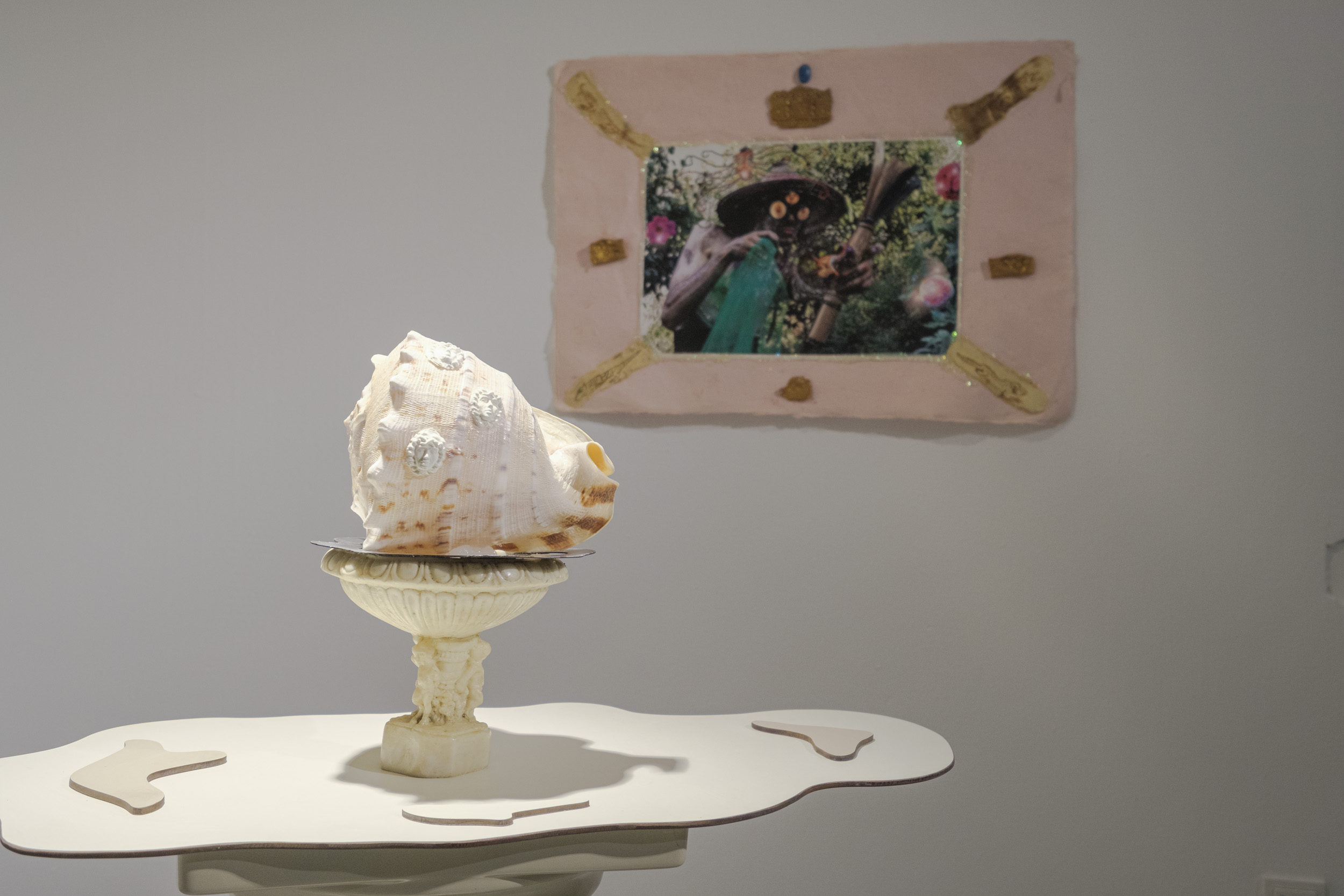
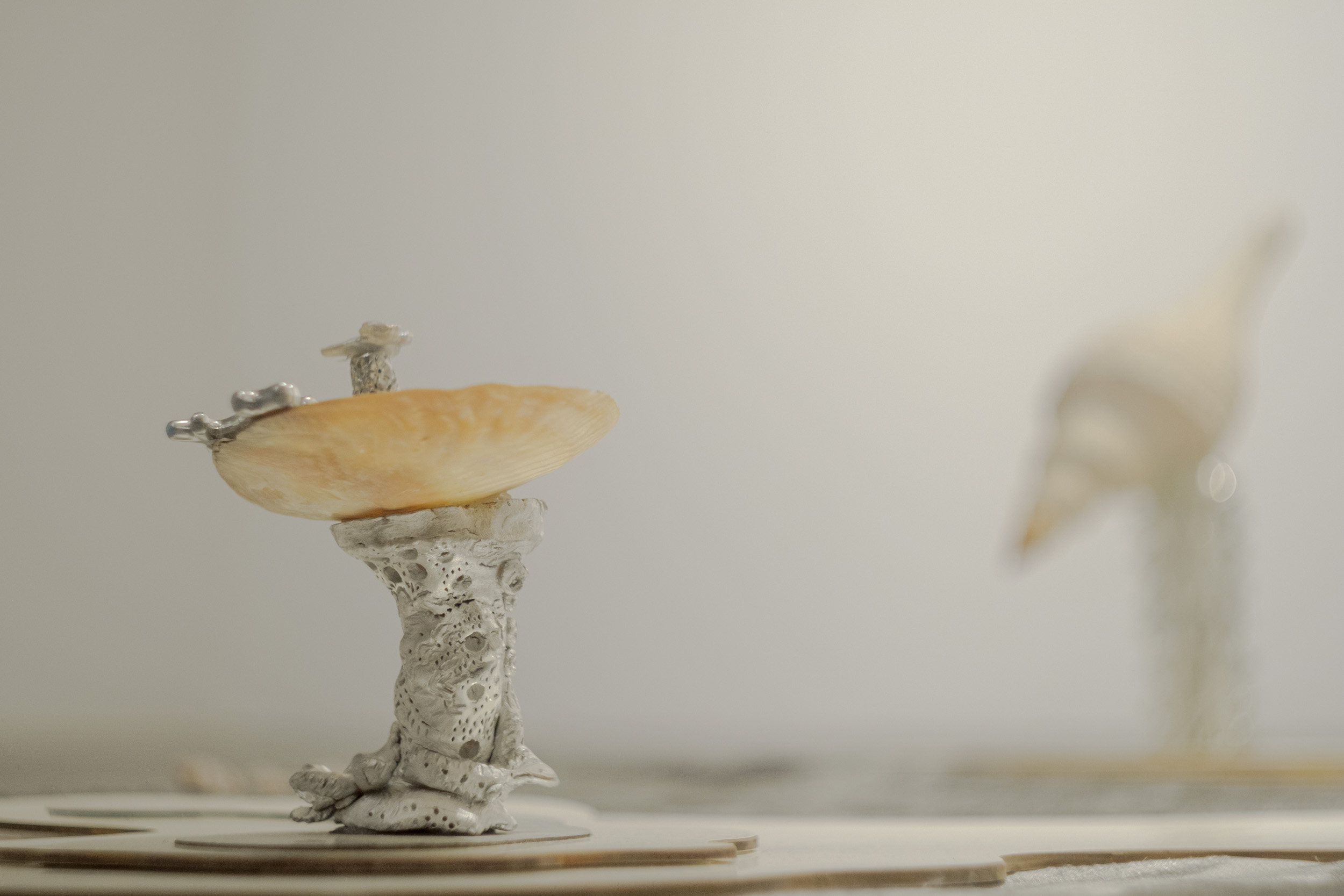
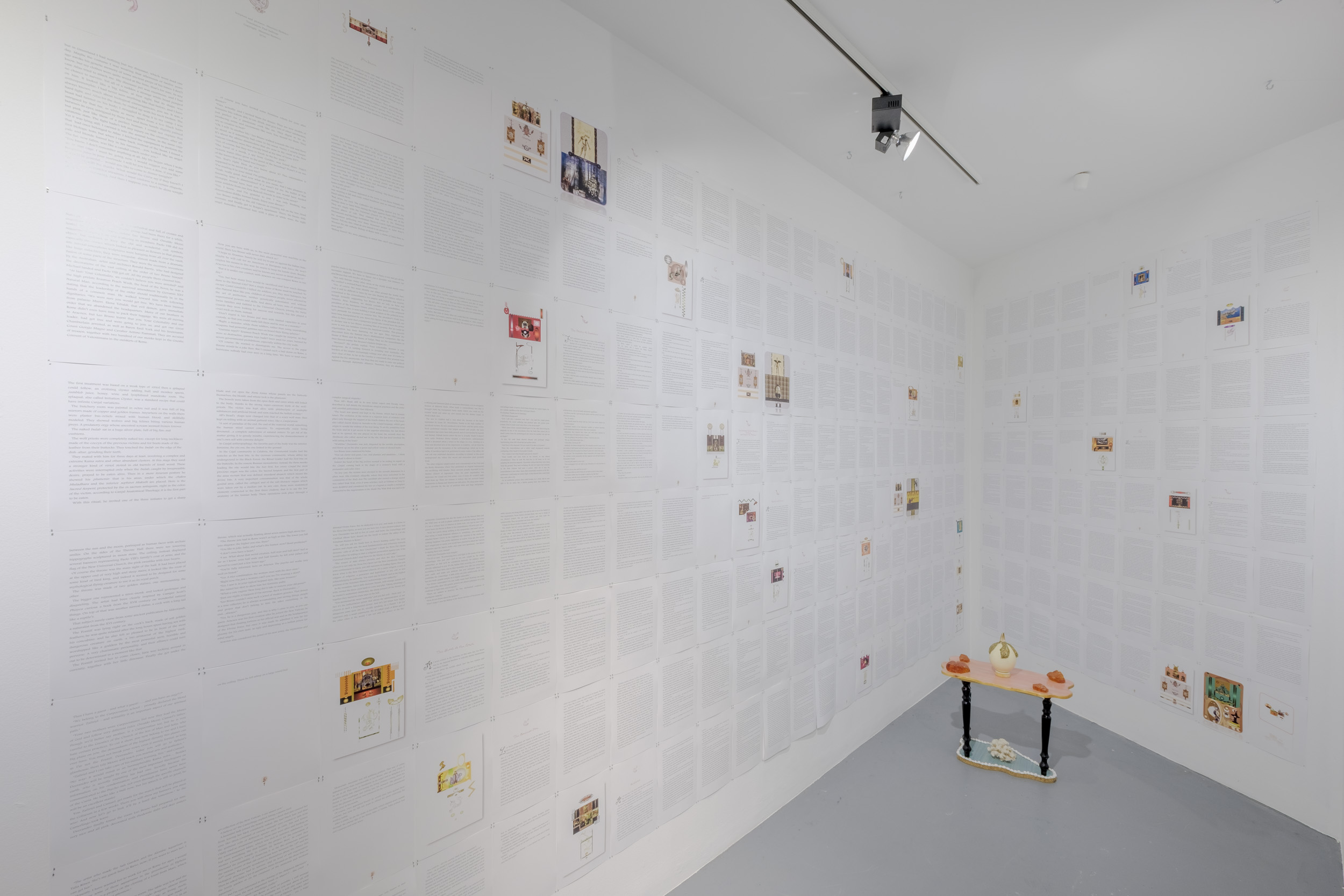
  • Maurizio Elletrico, An ephemeral banquet for the invisible guest: waiting for the bio-aristocrat

    Solo show, Site specific installations and new works inspired by the first volume of the saga written by the artist
    ‘The squirrel and the Grail’

    Curated by Chiara Valci Mazzara, Fondazione Morra resident curator and Susanne Prinz, Kunstverein am Rosa Luxemburg Platz

    Hosted by Kunstverein am Rosa Luxemburg Platz
    In collaboration with Fondazione Morra, Naples

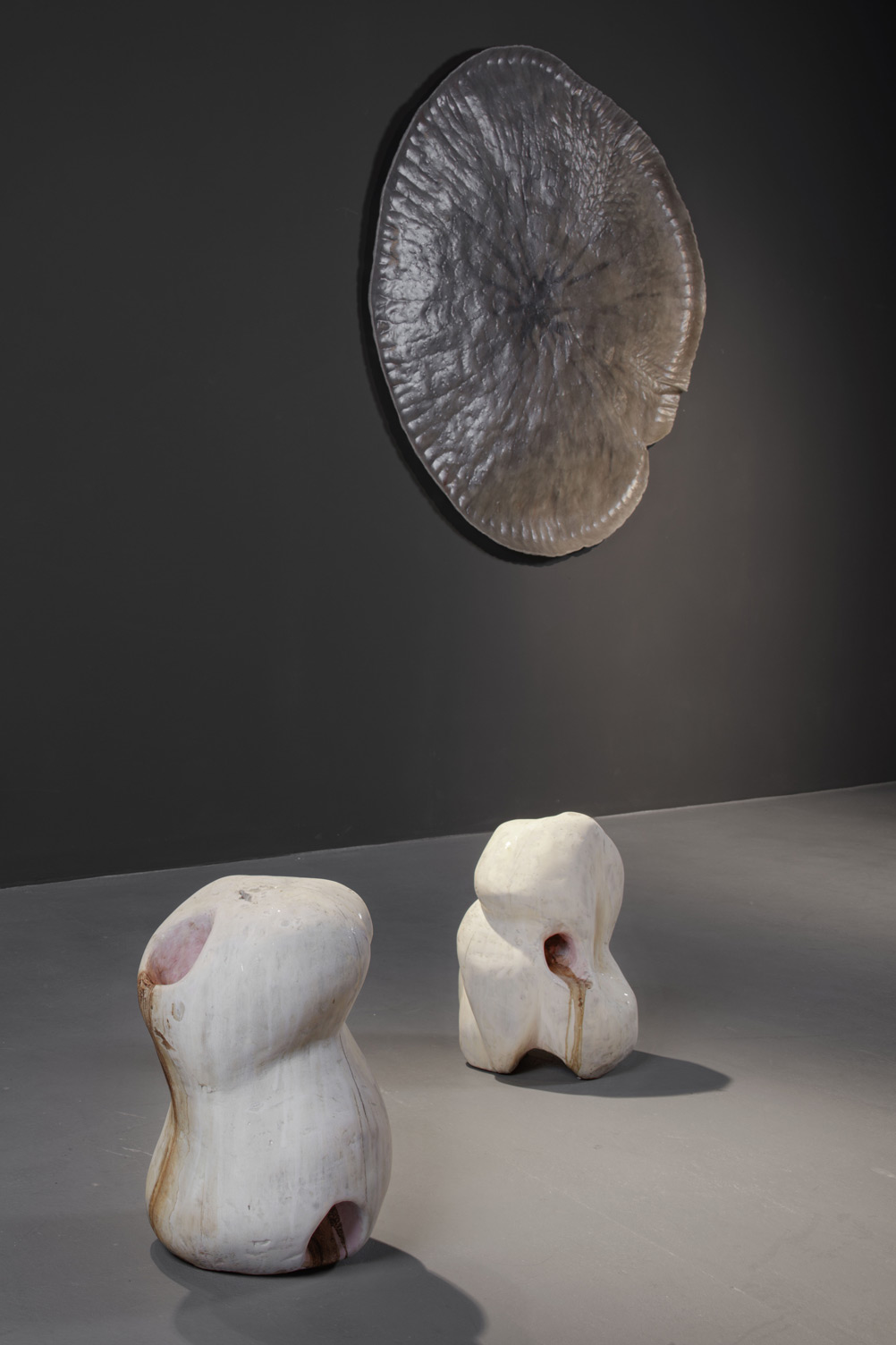
    Maurizio Elettrico is a complex and erudite artist and writer. His saga in seven volumes – The Squirrel and the Grail – functions, on the occasion of his solo show, as the vessel through which his magical, irreverent, profane, philosophical, mythological referred and fantastic world is introduced to the public, drawing him into this all embracing installation: the world of Maurizio Elettrico’s saga coming true. The public is invited to experience this immersive landscape including an opera sound piece the artist conceived for the exhibition.

    The banquet for the invisible guest – consisting of a series of sculptural pieces installed on a banquet table surrounded by islands filled with astounding creatures and objects – also reminds us of more hospitable days.

    The menu of the banquet will be available, alas the courses remain invisible… as well as the guest: the bio aristocrat.

    Maurizio Elettrico ( Naples,1965) lives and works in Naples. After his studies in natural sciences, he focused his artistic research on the interdisciplinary relationships between philosophy, history and iconography. His artistic practice is characterised by the variety of materials he uses and the lexicon that he applies, ranging from freehand drawing on fine art paper or fabrics to various media including sculpture, installations realised with recovered materials, video, performance and writing. Elettrico re-invents the world into a new mythological reality where the radical secularisation of the sacred and science-fiction combine and where the distance between sense and nonsense is shortened so that their theophanic nature would become clearly deduced. The recovery of dissonant forms and materials opens the way to a magical world of medieval ancestry, organised according to a mysterious and ideological taste for alchemy, producing a visual pantheon that dissolves itself into a junction of intelligence, artistic creation and technological knowledge. He has had numerous exhibitions in Italy and abroad, working with some of the most recognised contemporary art curators like Jan Hoet, Lorand Hegyi and Achille Bonito Oliva. He started his career in Naples, with a solo exhibition at Vera Vita Gioia’s Gallery in 1993. His hometown has been a point of reference throughout his career, as shown by his ongoing collaboration with Fondazione Morra, where his works are included in the permanent collection and where his artistic practice is developed and promoted. He started working abroad when the SMAK in Ghent (Belgium) acquired various pieces to be included in its permanent collection in 1997. In 2004, Edizioni Morra published The New Empire, a volume presenting a series of imaginary scenarios, revealing to the public Elettrico visions about alternative future worlds. Shortly after he produced a large-scale installation at the Padova Charterhouse and exhibited in Quadriennale di Roma at GNAM. In 2006 he presented his solo show Lo Scoiattolo e il Graal (The Squirrel and the Grail) at the Capodimonte Museum where he presented the characters from his book The New Empire. In 2007 he presented the exhibition Cervandro – Il Nudo travestito (Cervandro, the Nude in disguise) at Arte Contemporanea Pio Monti in Rome, and right afterwards a further solo show at Lipanje Puntin Gallery in Trieste. In 2009 he presented his work at the Venice Biennale – Arsenale- and the Knokke Biennale in Ghent in collaboration with Hoet Bekaert Gallery. In the same year, his volume L’Infante demiurgo was published with Mimesis Edizioni, Milan 2009. In 2011, he participated for the second time at the Venice Biennale, and in 2013 at the multimedia exhibition Biorema at Paola Verrengia Gallery in Salerno. Since 2009 he has been working on a saga developed in seven volumes Lo Scoiattolo e il Graal (The Squirrel and the Grail). In 2015, Elettrico presented Cibum Deorum, a large scale sculpture, as part of the exhibition L’Albero della cuccagna, Nutrimenti dell’Arte, curated by Achille Bonito Oliva and presented throughout Italy. In 2016, he had a solo exhibition at PAN Museum of Naples , Historia Supernaturalis, curated by Eugenio Viola
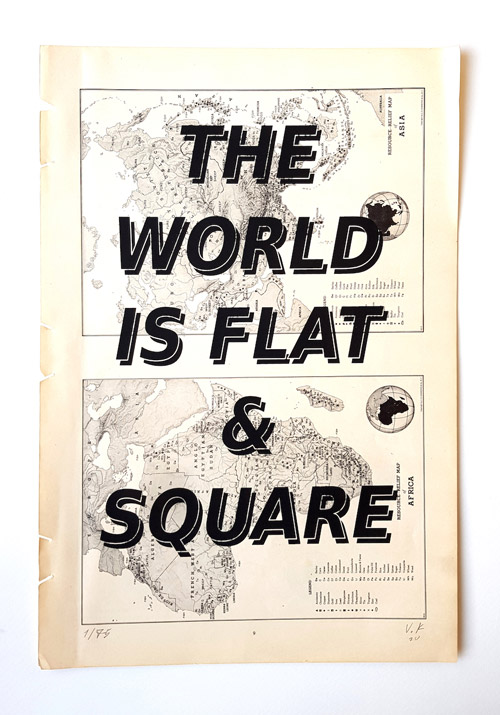
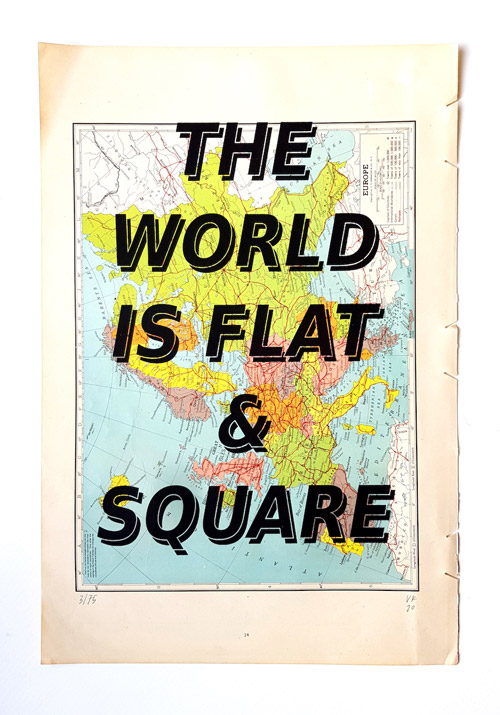
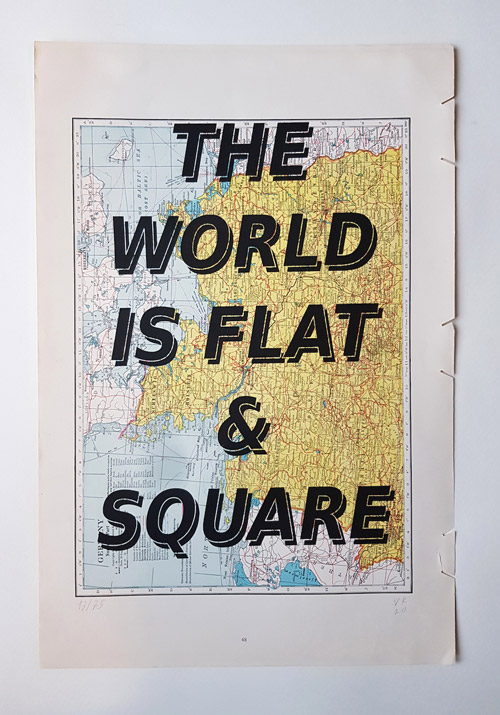
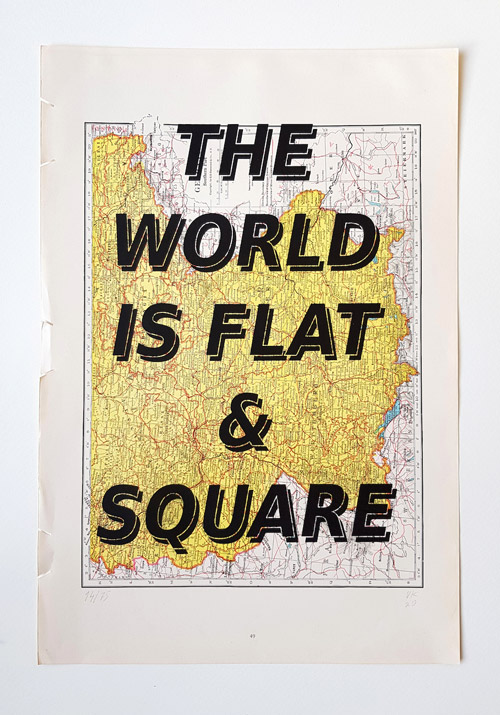
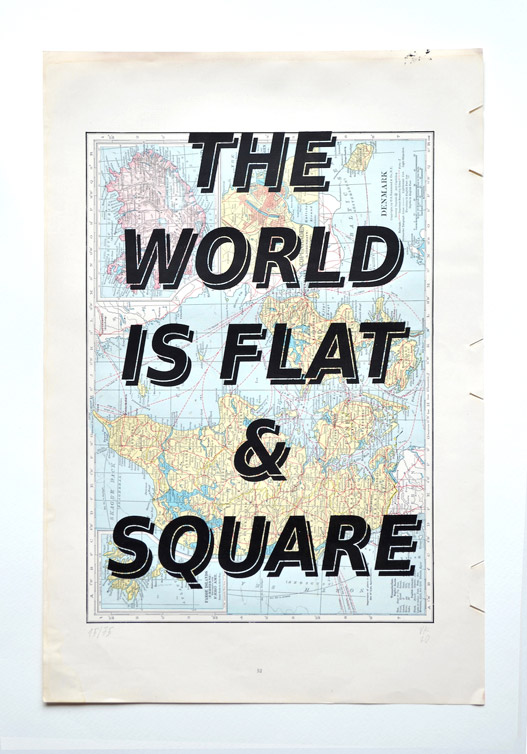
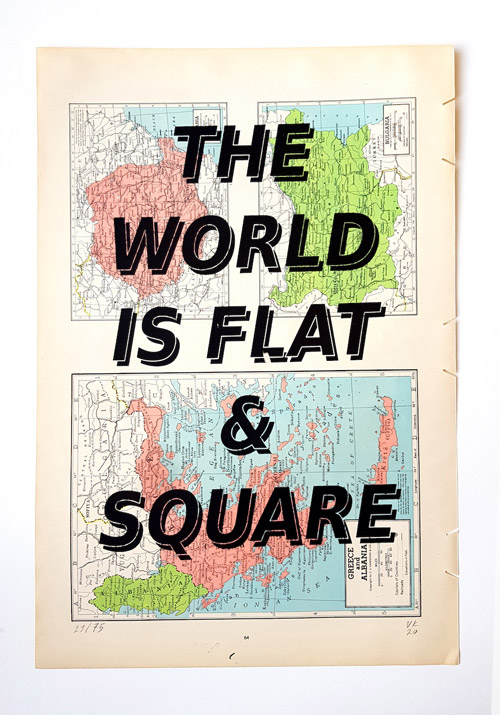
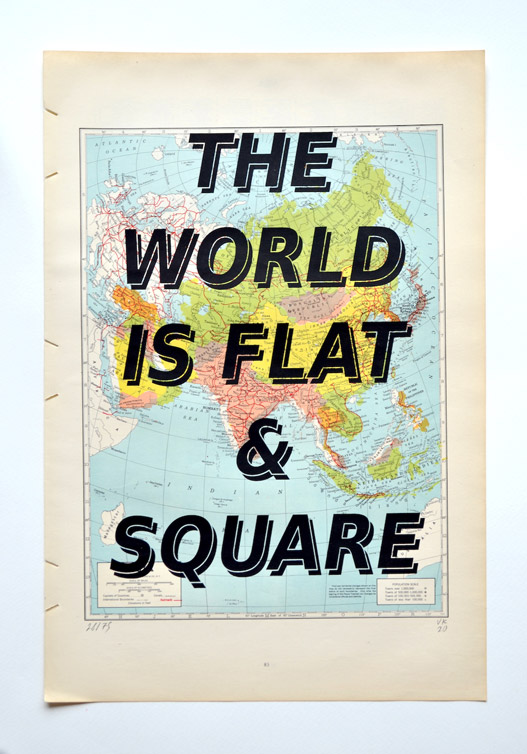
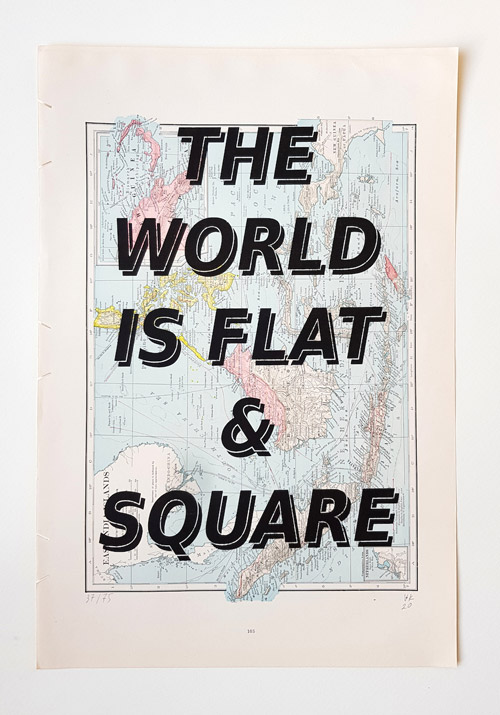
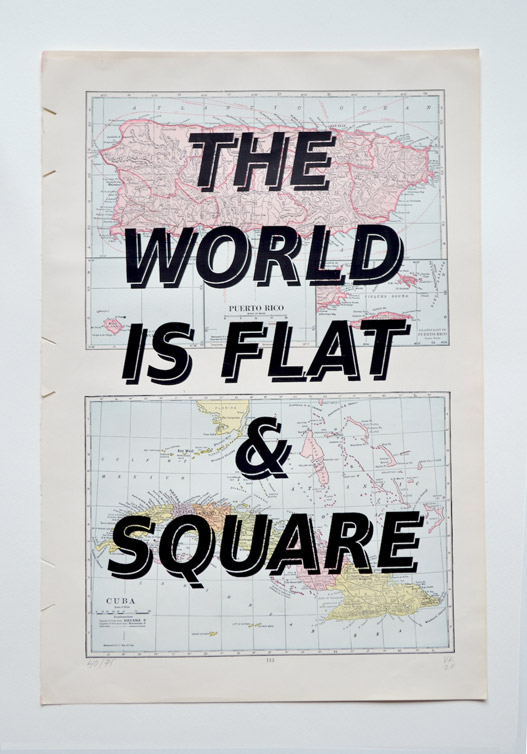
  • Vikenti Komitski, The World is Flat and Square

    Edition of 75 unique pieces +5 AP
    silksceen on map
    33,7 x 50 .5 cm, 2020
    each 220 € + VAT + pack and ship

    More prints available (Sold: AP, 1, 3, 14, 18, 30, 68, 75)

    Auflage 75 unikatische Exemplare + 5 AP
    Siebdruck auf Landkarte
    33,7 x 50,5 cm, 2020
    je 220 € + Mwst. + Verpackung und Porto

    Weitere Motive verfügbar (verkauft: AP, 1, 3, 14, 18, 30, 68, 75)