
Eröffnung / Opening:
6.2.2026, 18 Uhr / 6 pm
Ausstellungsdauer / Exhibition dates:
7.2.2026 – 21.02.2026
Conceived as an off-program intervention between two exhibitions, circa unfolds at the Kunstverein am Rosa-Luxemburg-Platz during a moment of institutional suspension. The project occupies a space that remains physically untouched, unlit, and formally undecided. Rather than proposing answers, the exhibition addresses the public through questions, activating perception instead of assertion.
The exhibition takes the threshold as both subject and condition: a space of uncertainty in which time loosens its grip and architecture becomes temporarily soft. In this interstitial moment—neither exhibition nor void—the Kunstverein appears less as a container of meaning than as a site of latency. Siciliano’s interventions are deliberately ephemeral, defined by their temporary presence and by subtle shifts in light, attention, and bodily awareness.
Light functions as the fil rouge of the exhibition, articulating a sequence with a beginning, an interlude, and an end. Each of the three site-specific installations is introduced by a single page from a book relating to it. Recreated on handmade paper, these pages bear watermarks that become visible only through backlight, recalling the traces of dried leaves or dog-eared corners that render books singular over time. The texts revealed—Ocean Vuong’s Threshold from Night Sky with Exit Wounds (2017), Ettore Sottsass’s Di chi sono le case vuote? (2021), and Paul B. Preciado’s Can the Monster Speak? (2020)—form a constellation of voices reflecting on vulnerability, abandonment, and the possibility of speech from within liminal states.
The first installation, 23:59, reflects on the construct of time that defines midnight as a decisive threshold. That single minute which marks the passage from one day to the next—mythically charged as the moment when reality alters—appears here as a suspended image in space. The refracted reflections of a disco ball are painstakingly hand-painted onto the walls using phosphorescent pigment. Charged throughout the day by natural and artificial light, these fragments emerge in darkness and slowly fade, disappearing only to be reactivated again. Time is neither linear nor resolved, but caught in a loop of appearance and disappearance.
Circa 2026 turns to the architecture of exhibition-making itself, reflecting on the white cube and its anticipated exhaustion. Neon lights—the emblematic infrastructure of contemporary display—are here replaced with tubes nearing the end of their lifespan. Flickering or shifting toward a soft pink hue, they cast the space into a state of near-darkness. The visitor enters an environment suspended in an undefined “circa,” uncertain of when illumination will fully cease. The gallery becomes a place on the verge of disappearance, a limbo removed from the certainties of both function and duration.
A third intervention, titled 37° 18’ 14,688” N, 14° 12’ 54,078” E, occupies a small window visible only from outside the Kunstverein. Printed on semi-transparent fabric, it depicts an image of sunlight filtering through shutters onto a curtain, evoking a domestic interior displaced into the public realm. The work plays with perception across time, geography, and point of view, folding present and past into a single, fragile image. Light once again defines an indefinite temporality, one that hovers between memory and immediate experience.
Elsewhere, hidden within the gallery’s restroom, an audio installation introduces recordings from other lavatories. While preserving the room’s function, the intimate sounds of anonymous bodies generate an uncanny parallel reality, collapsing private and public into a shared acoustic space.
Moving through the anteroom—whether arriving, leaving, or simply lingering—visitors encounter golden markers embedded in the floor. These reflective inlays trace the outlines of walls that no longer exist, foregrounding the layered architectural history of the site. In contrast to the exhibition’s ephemeral gestures, these markers insist on material memory, raising quiet questions about former uses, vanished divisions, and the persistence of spatial meaning. Where do these marks come from, and what do they continue to hold?
Curated by Chiara Valci Mazzara and Susanne Prinz
Marco Siciliano was born in 1991 in Caltagirone and grew up in Milan. He now lives and works in Berlin, alternating periods in Sicily and Milan. He holds a Master’s degree in Interior Design from the Politecnico di Milano and studied sculpture with Monica Bonvicini at the Universität der Künste Berlin, where he was awarded the title of Meisterschüler in 2024. His practice explores thresholds between public and private, inside and outside, visible and invisible. Working with repurposed and deconstructed materials, Siciliano questions architectural conventions and the social orders they sustain. Across his work, transitional spaces become sites of heightened bodily awareness—moments in which one foot remains suspended, and the next step has not yet been taken.


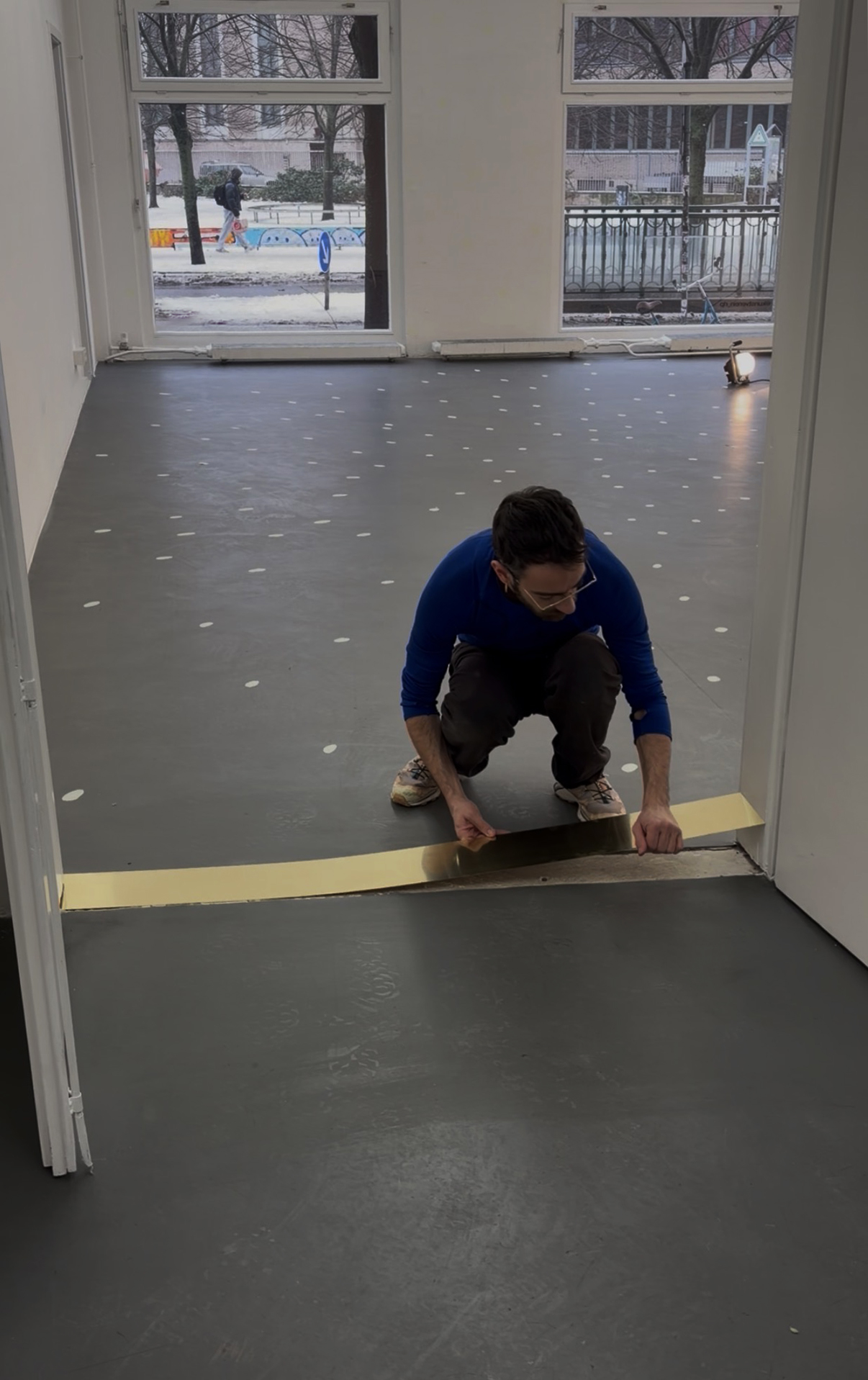

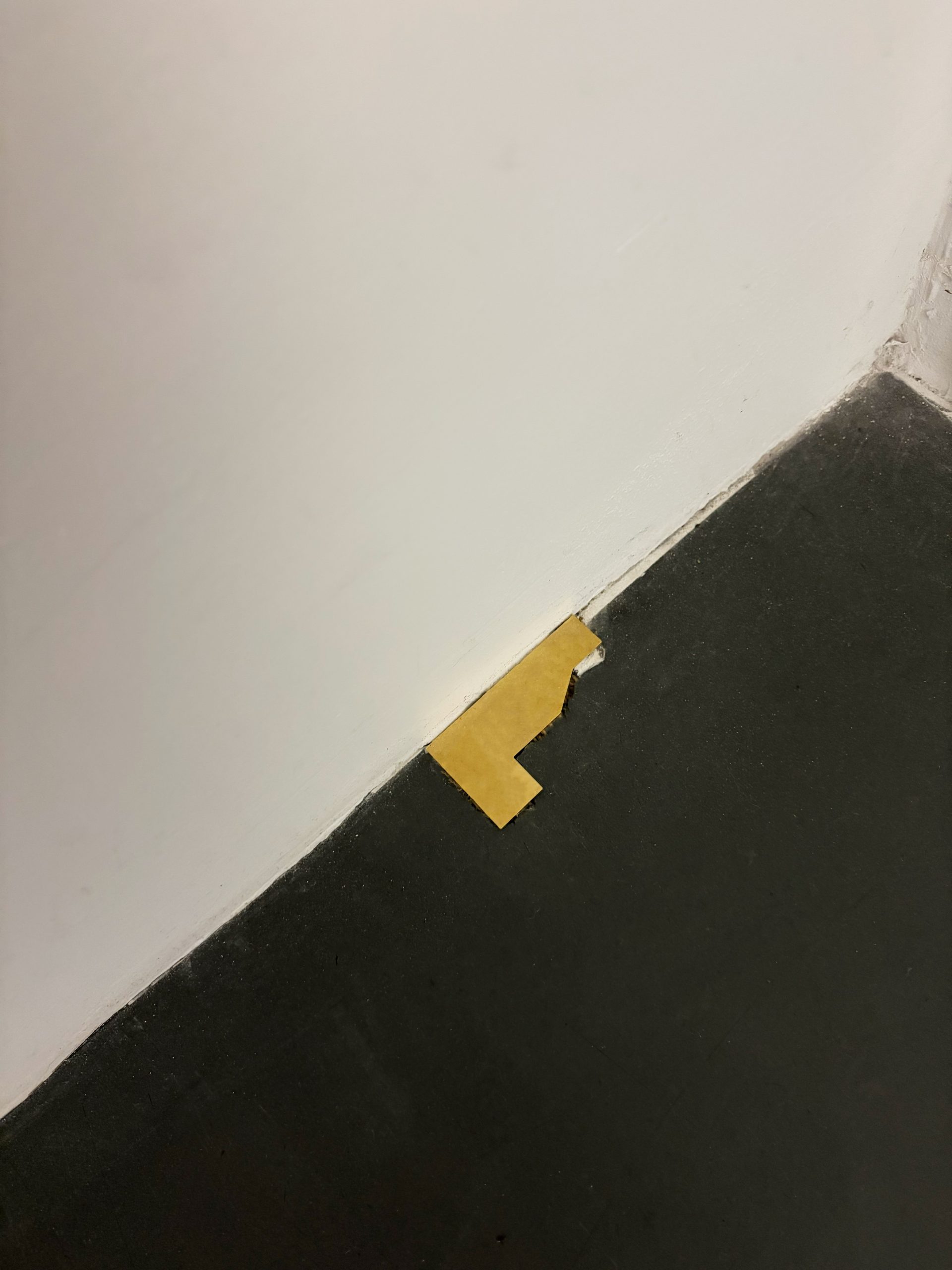
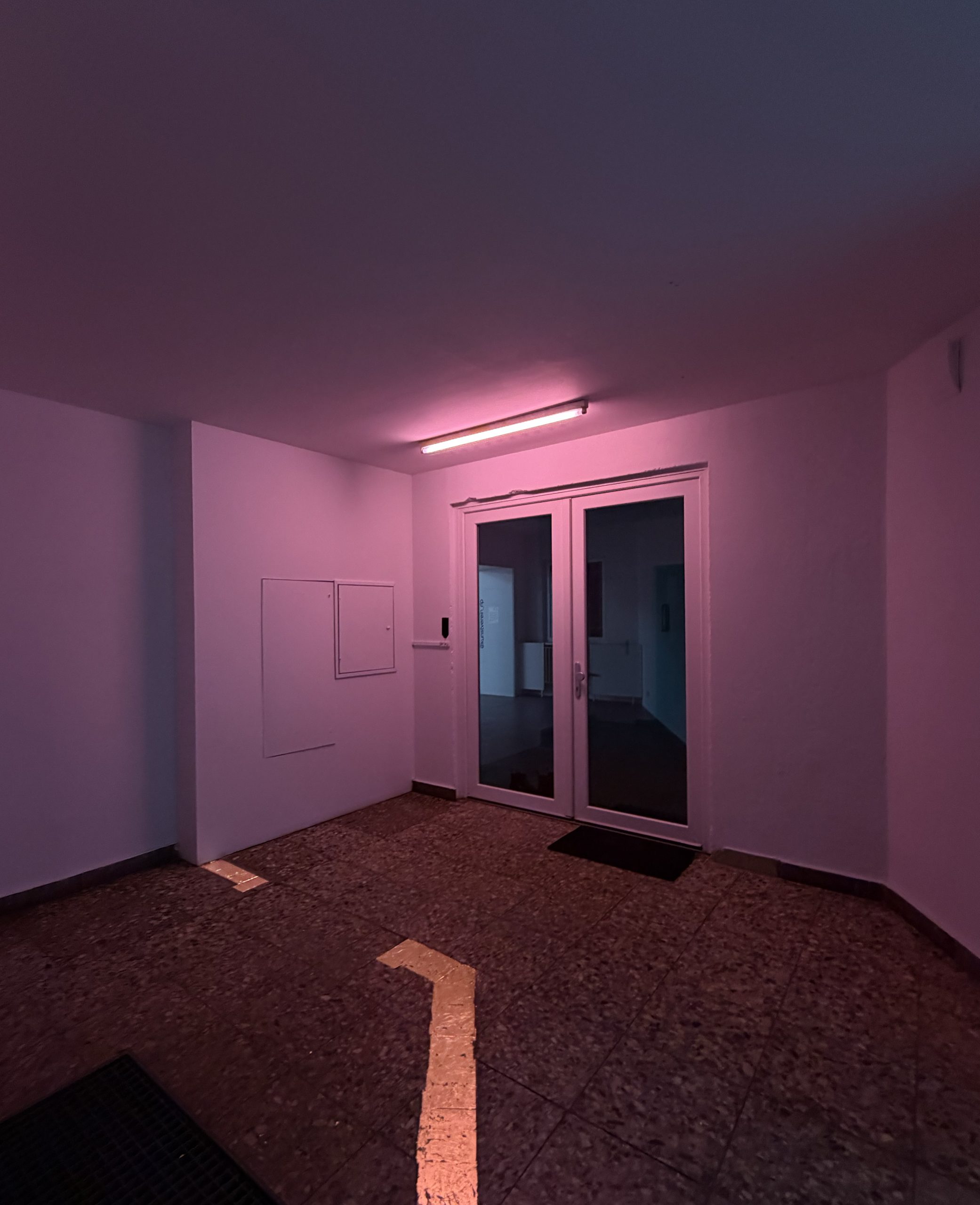


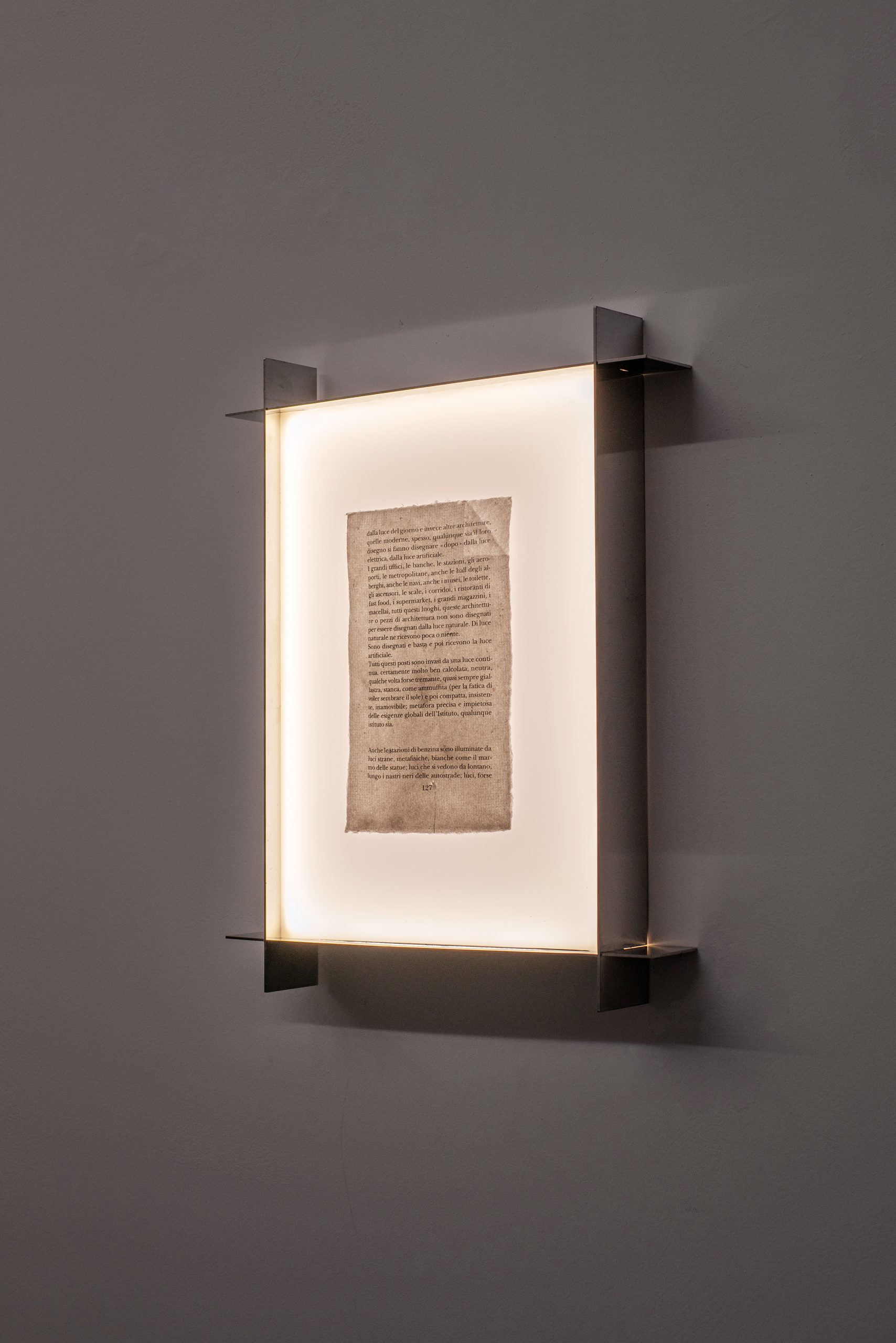
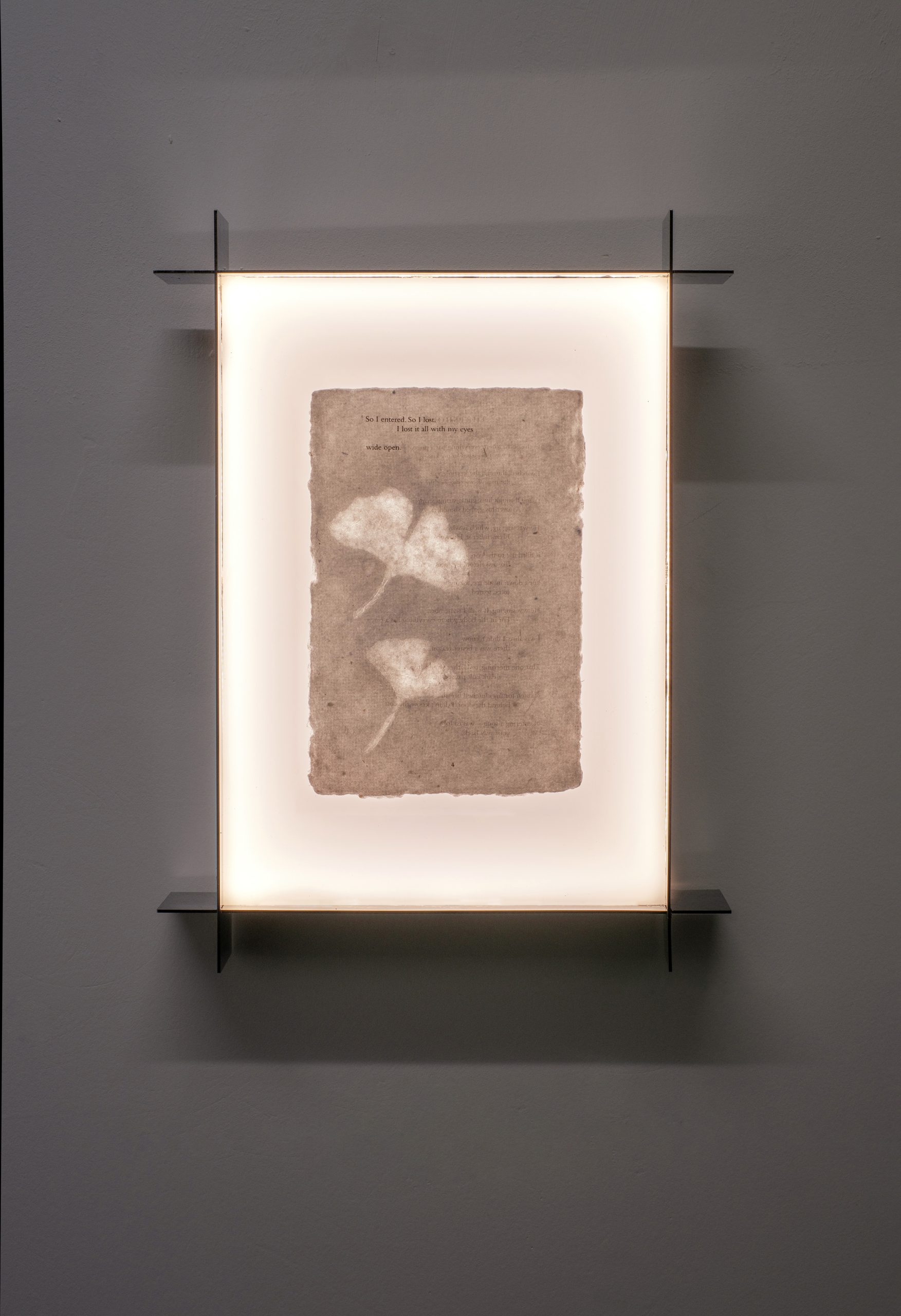

circa, exhibition views, @Henrik Strömberg
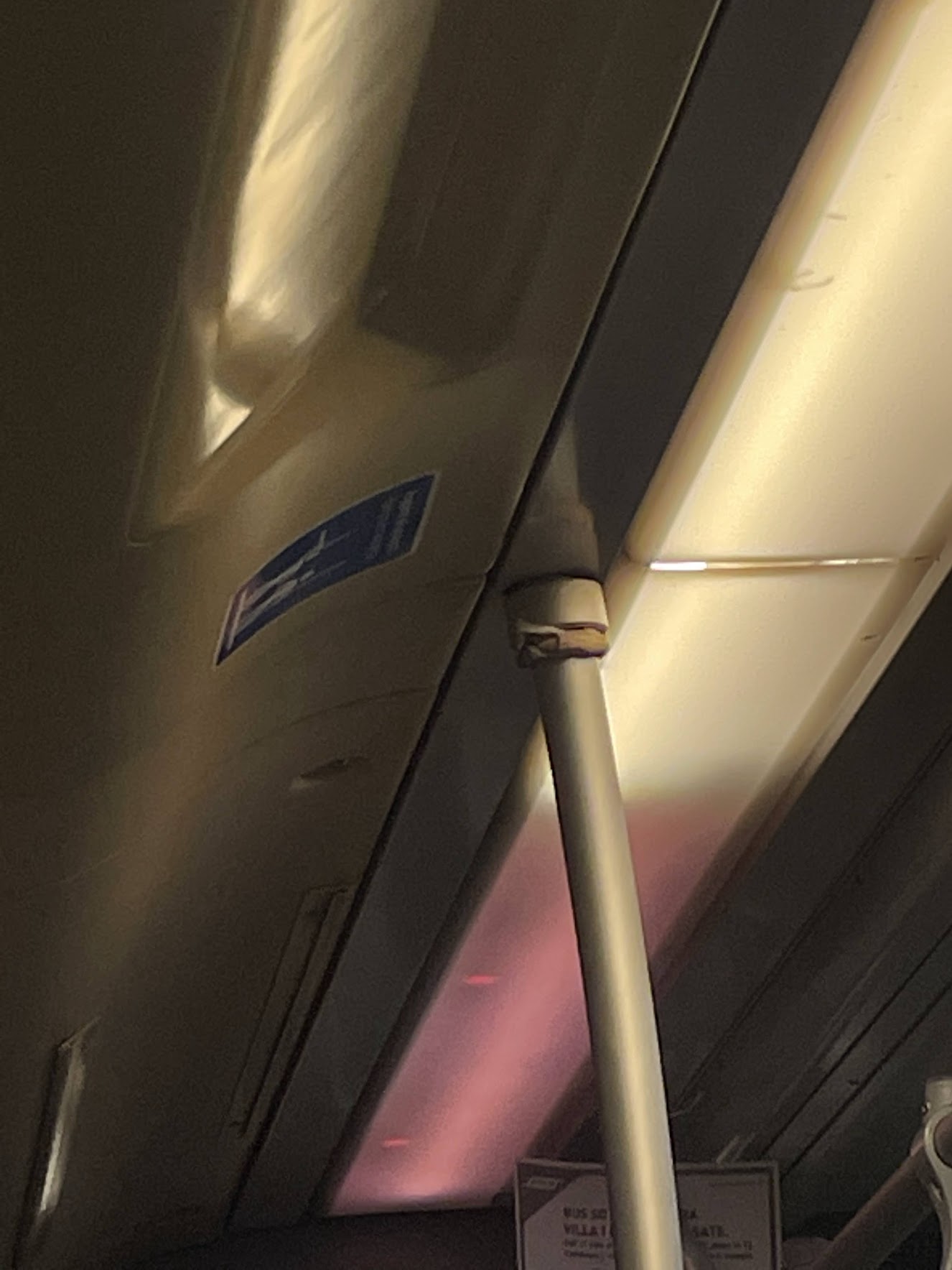


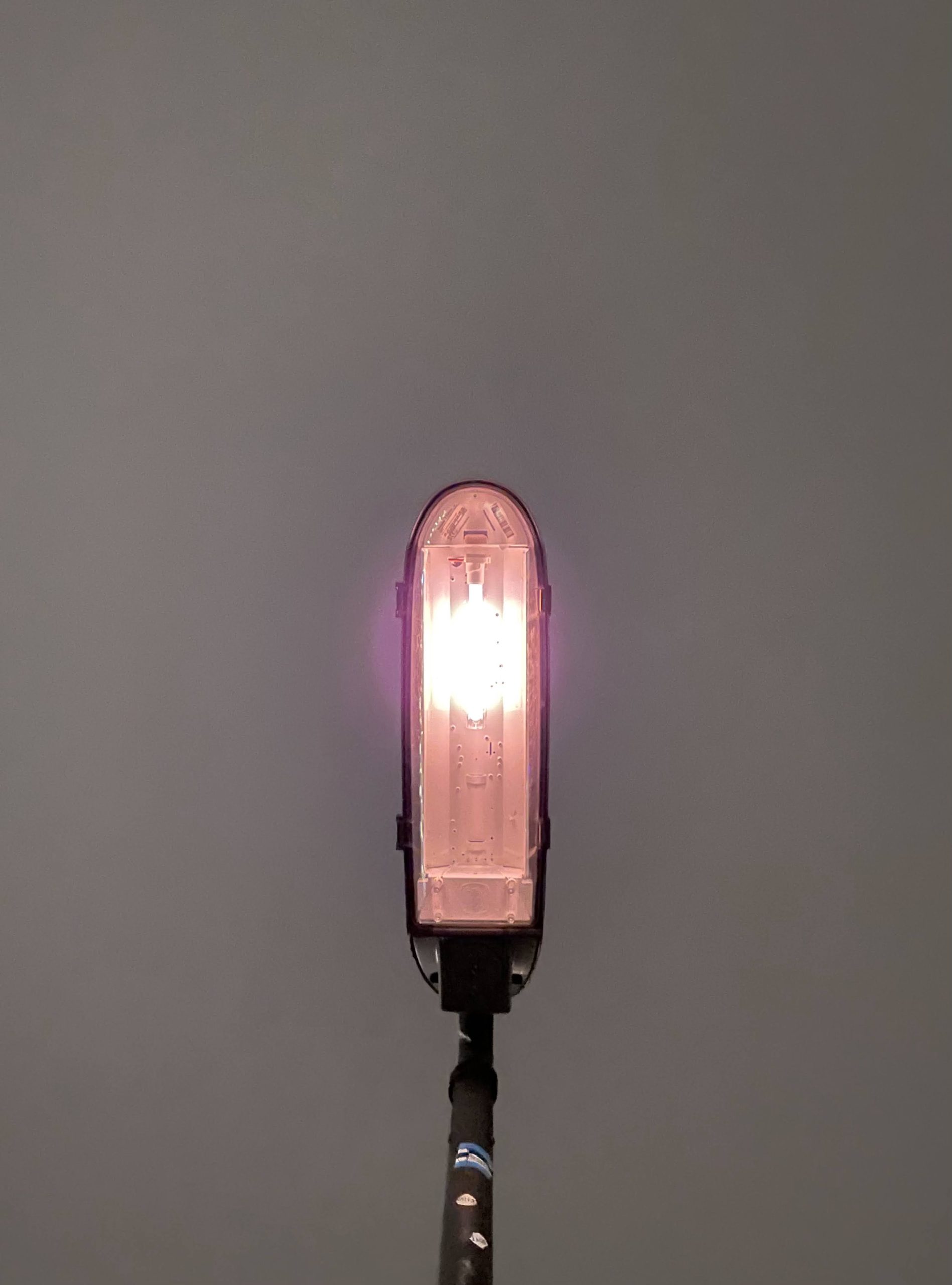


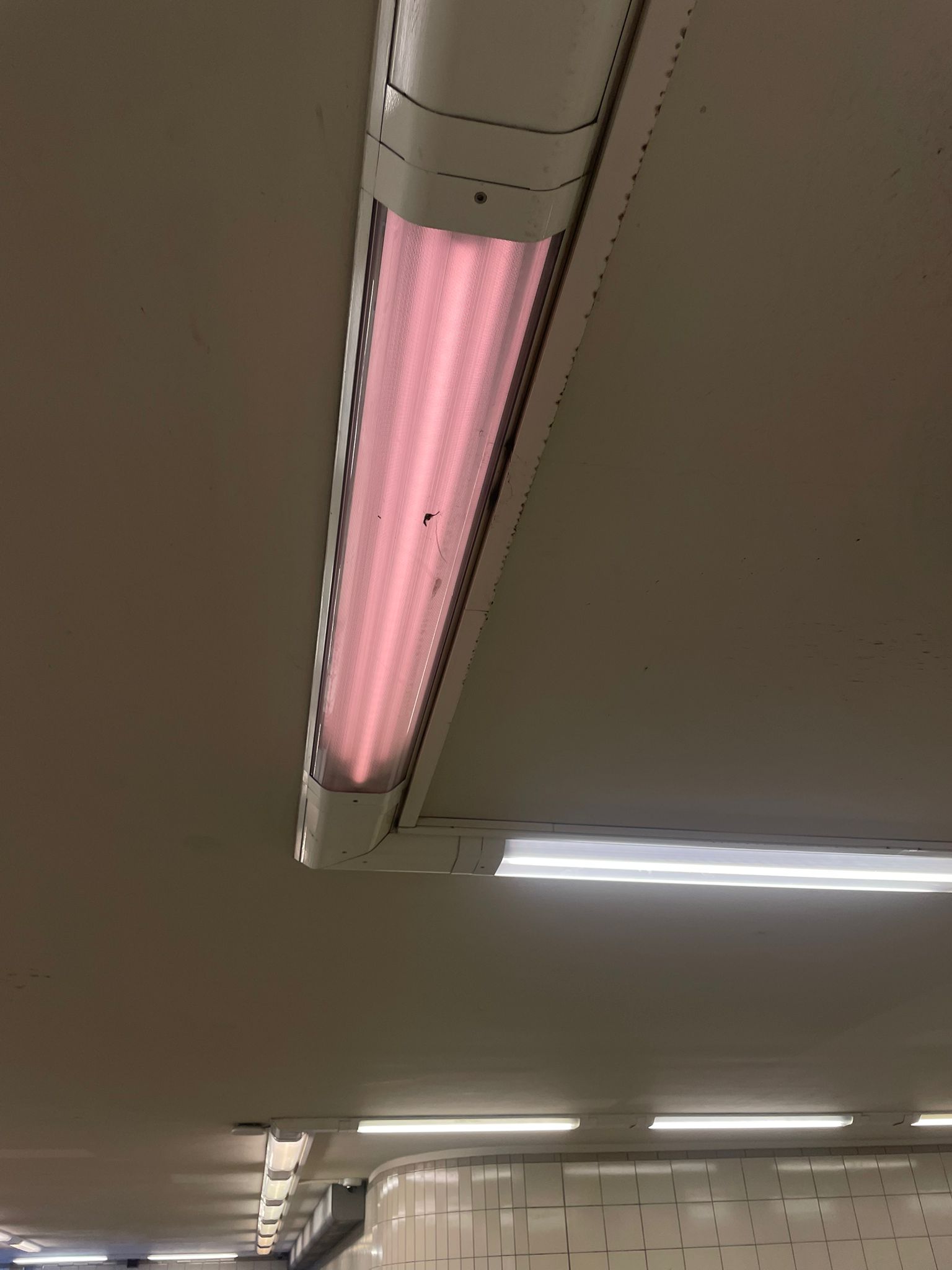

@Marco Siciliano